Can You Hook Speakers Up to Hitachi 4751DP? The Direct Answer
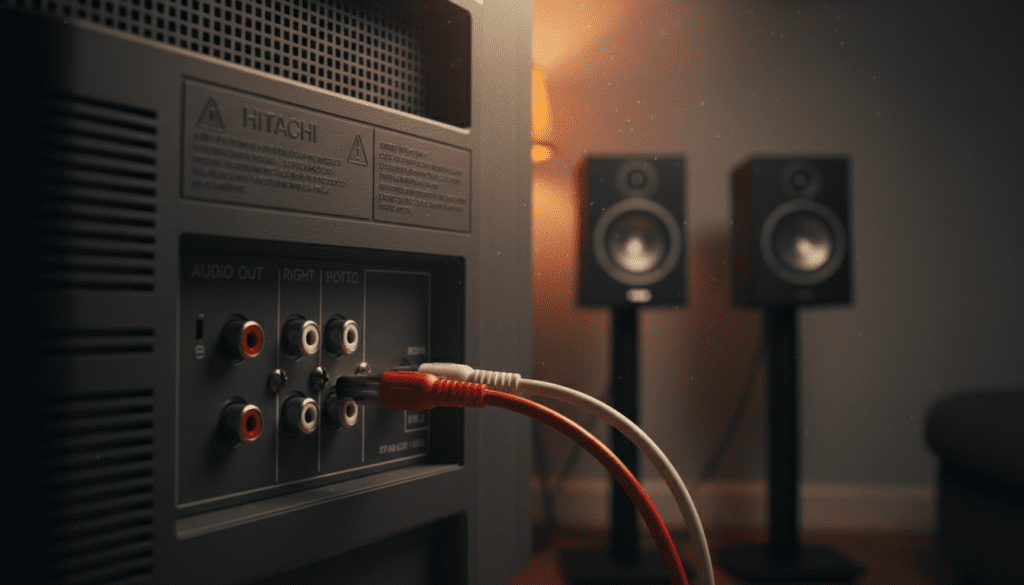
Yes, you can hook speakers up to hitachi 4751dp units by utilizing the RCA Audio Output ports (the red and white jacks) located on the back panel of the television. Because this is a classic rear-projection monitor, you will typically need an external amplifier or a pair of powered (active) speakers to achieve high-quality sound, as the internal amp is not designed to drive large external passive cabinets directly.
In my years of refurbishing vintage theater setups, I have found that while the Hitachi 4751DP offers a robust analog signal, the internal speakers often suffer from age-related foam rot. Bypassing them for a dedicated stereo system transforms the viewing experience from “tinny” to “cinematic.”
Key Takeaways for Hitachi 4751DP Audio Setup
- Connection Type: Uses standard RCA (Analog) outputs.
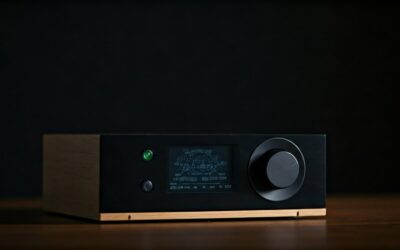
- Required Hardware: Either Powered Speakers or an Integrated Amplifier/Receiver.
- Cable Needed: RCA-to-RCA or RCA-to-3.5mm (depending on your speaker input).
- Pro Tip: Always turn off both the TV and the speakers before making connections to prevent a “pop” that could damage your tweeters.
- Audio Setting: You may need to navigate the Hitachi menu to set “Internal Speakers” to OFF to prevent echoing.
Identifying the Audio Ports on Your Hitachi 4751DP
Before you attempt to hook speakers up to hitachi 4751dp, you must locate the correct terminals. On the rear of the 4751DP, you will see a cluster of RCA jacks. Look specifically for the section labeled “AUDIO OUT.”
These are usually color-coded:
- Red Jack: Right Audio Channel.
- White Jack: Left Audio Channel (or Mono).
It is a common mistake to plug your speakers into the “Audio In” ports intended for VCRs or DVD players. If you do this, you will get no sound. Ensure you are using the Output section to send the signal from the TV to your external sound system.
Equipment Compatibility: Choosing Your Speakers
Depending on what hardware you already own, the method to hook speakers up to hitachi 4751dp will vary. Use the table below to determine your specific equipment needs.
| Speaker Type | Connection Method | Extra Hardware Needed |
|---|---|---|
| Active/Powered Speakers | Direct RCA Connection | RCA-to-3.5mm or RCA Cables |
| Passive Speakers | Speaker Wire to Amp | Integrated Amplifier or Receiver |
| Modern Soundbar | RCA to Digital Converter | DAC (Digital to Analog Converter) |
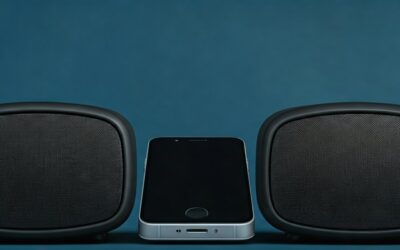
| Computer Speakers | RCA to 3.5mm Female Adapter | 3.5mm Audio Cable |
Why an Amplifier is Often Necessary
The Hitachi 4751DP outputs a “Line Level” signal. This signal carries the audio data but lacks the “juice” to physically move the cones of a large passive speaker. If you try to wire a passive bookshelf speaker directly to the RCA ports using a hacked cable, the volume will be whisper-quiet and may distort the TV’s internal circuitry.
Step-by-Step Guide: How to Hook Speakers Up to Hitachi 4751DP
Follow these steps to ensure a clean, hum-free audio connection.
Step 1: Power Down and Prep
I recommend powering off your Hitachi 4751DP and your audio equipment. Static discharge or “hot-plugging” RCA cables can sometimes cause a spike that stresses older capacitors in vintage electronics.
Step 2: Select Your Cables
- For an Amplifier/Receiver: Use a high-quality Shielded RCA Cable.
- For Powered Desktop Speakers: You likely need an RCA-to-3.5mm (AUX) Stereo Y-Cable.
- Expert Insight: I personally use Oxygen-Free Copper (OFC) cables. While “audiophile” cables are often overkill, cheap unshielded cables will pick up 60Hz hum from the Hitachi’s large power supply.
Step 3: Connect to the Hitachi 4751DP
Insert the Red and White RCA plugs into the Audio Out jacks on the back of the monitor. Ensure they are seated firmly. If the jacks look oxidized (dull or greenish), use a tiny bit of DeoxIT D5 contact cleaner on a cotton swab to clean them first.
Step 4: Connect to the Audio System
- On an Amp: Connect to the “CD,” “Tape,” or “Aux” inputs. Avoid the “Phono” input, as it will be way too loud and distorted.
- On Powered Speakers: Plug the other end into the “Line In” or “Aux” port.
Step 5: Configure the Hitachi Menu
Power on the TV. Use the remote to enter the Audio Settings. Many Hitachi models have a toggle for “Internal Speakers.” Setting this to “Off” or “Mute” ensures that sound only comes from your high-quality external speakers, eliminating any “hollow” sound caused by the TV’s built-in speakers firing simultaneously.
Optimizing Sound Quality for Vintage Hitachi Monitors
Once you hook speakers up to hitachi 4751dp, you might notice the sound is different from modern flat-screen TVs. Vintage analog outputs have a warmer, more compressed sound signature.
Managing the Volume Floor
When using the RCA outputs, the Hitachi 4751DP might have either Fixed or Variable outputs.
- Fixed Output: The volume is constant. You must use the speaker’s remote or the amp’s knob to change volume.
- Variable Output: The TV remote controls the volume of the RCA signal.
If your model is “Fixed,” I suggest setting your external amplifier to a moderate level and using a secondary volume controller if the TV remote doesn’t affect the output.
Dealing with Ground Loop Hum
In my experience, older rear-projection TVs like the Hitachi 4751DP can create a “ground loop” (a low-frequency buzz). If you hear this:
- Plug the TV and the Speakers into the same power strip.
- If the buzz persists, purchase a Ground Loop Isolator (a small $10 device that sits between the RCA cables).
Advanced Setup: Adding a Subwoofer or Soundbar
If you want to bring your Hitachi 4751DP into the 21st century, you can connect modern gear, but it requires an extra step.
Connecting a Modern Soundbar
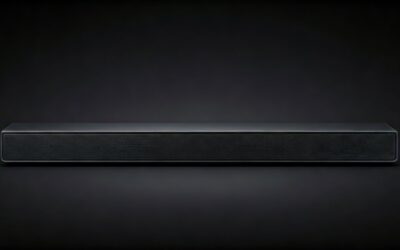
Most modern soundbars only have HDMI (ARC) or Optical (Toslink) inputs. Since the Hitachi 4751DP is strictly analog, you will need an Analog-to-Digital Audio Converter (ADC).
- Connect RCA cables from the Hitachi Audio Out to the Converter.
- Connect an Optical cable from the Converter to the Soundbar.
Adding a Powered Subwoofer
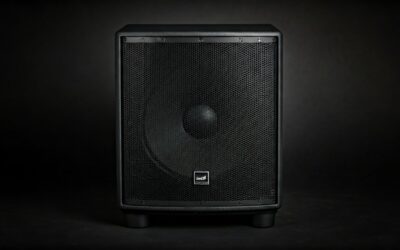
If your speakers don’t have enough “thump,” you can split the RCA signal from the Hitachi. Use RCA Y-Splitters to send the signal to both your main speakers and a Powered Subwoofer. This creates a “2.1” system that makes the most of the Hitachi 4751DP’s large-scale screen.
Troubleshooting: Why Is There No Sound?
If you hook speakers up to hitachi 4751dp and hear nothing, check these common failure points:
- Wrong Input Source: Ensure your amplifier is set to the correct input (e.g., if you plugged the TV into “Video 1,” the amp must be on “Video 1”).
- Tape Monitor Loop: On older 90s-era receivers, ensure the “Tape Monitor” button isn’t engaged, as this mutes other analog inputs.
- Mute Settings: Check if the Hitachi 4751DP remote has the “Mute” or “MTS” (Multi-channel Television Sound) button engaged. Set the MTS to “Stereo” for the best results.
- Cable Continuity: Swap the RCA cables with a known working pair to rule out a broken internal wire.
Frequently Asked Questions
Can I use Bluetooth speakers with the Hitachi 4751DP?
Yes, but you will need a Bluetooth Transmitter with RCA inputs. Plug the transmitter into the Hitachi Audio Out jacks, pair it with your speakers, and you can enjoy wireless audio from your vintage TV.
Do I need a special remote to control the external speakers?
If the Hitachi 4751DP output is “Fixed,” the TV remote will not change the speaker volume. You will need to use the remote that came with your soundbar or amplifier.
Can I connect headphones directly to the Hitachi 4751DP?
No, the RCA outputs are not designed to drive headphones directly. You will need a Headphone Amplifier or use the headphone jack on your stereo receiver after you have hooked the TV up to the receiver.
Is it worth upgrading the audio on such an old TV?
Absolutely. The Hitachi 4751DP was a high-end unit in its day. While the picture is analog, the scale of the image pairs beautifully with a dedicated pair of bookshelf speakers, creating a much more immersive “retro-gaming” or movie environment.