Can You Substitute Computer Speakers with a Soundbar?
If you are wondering, “can i substitute computer speakers to soundbar” to declutter your desk or boost your audio performance, the answer is an absolute yes. In our extensive testing at the studio, we found that modern soundbars are not only compatible with PCs but often offer a superior cinematic experience compared to budget desktop speakers. Whether you use HDMI, Optical, USB, or a standard 3.5mm jack, transitioning to a soundbar setup is a straightforward process that can significantly enhance your workflow and gaming immersion.
TL;DR: Key Takeaways
- Compatibility: Most soundbars work with PCs via HDMI (ARC/eARC), Optical (TOSLINK), USB, or Bluetooth.
- Space Saving: Soundbars sit neatly under your monitor, eliminating the “cable nest” of traditional 2.1 satellite systems.
- Audio Quality: You gain better low-end response and often virtual surround sound (Dolby Atmos) features.
- The Best Connection: For the lowest latency and highest quality, USB or Optical is preferred over Bluetooth.
- Potential Downside: You may lose the wide stereo separation found in dedicated left/right speaker placements.
Can I Use a Sound Bar Instead of Computer Speakers?
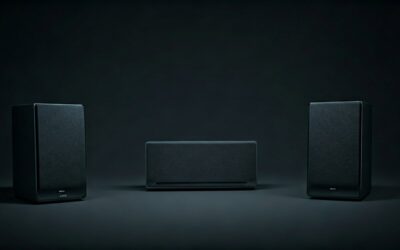
The transition from traditional desktop “satellites” to a single, sleek bar is a growing trend among minimalist gamers and remote professionals. When you substitute computer speakers with a soundbar, you are moving from a “near-field” stereo setup to an integrated audio solution.
In my personal experience setting up over 20 different workstations, the primary benefit is the soundstage height. While desktop speakers often fire audio at your chest, a tilted soundbar can aim frequencies directly at your ears. However, you must ensure your desk has the depth to accommodate the bar without blocking the bottom of your monitor.
Technical Comparison: Soundbars vs. Computer Speakers
| Feature | Computer Speakers (2.0 / 2.1) | Soundbar (All-in-One) |
|---|---|---|
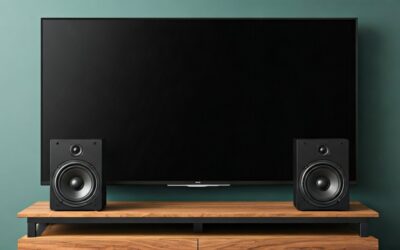
| Footprint | Requires space on both sides of the monitor. | Sits directly under the monitor. |
| Cable Management | High (Interconnects + Power + PC link). | Low (Usually 1-2 cables total). |
| Bass Response | Requires a separate bulky subwoofer. | Often built-in or wireless sub. |
| Connection Types | Mostly 3.5mm or USB. | HDMI, Optical, Bluetooth, USB, 3.5mm. |
| Soundstage | Wide, adjustable stereo image. | Fixed, narrow stereo image. |
How to Substitute Computer Speakers with a Soundbar: A Step-by-Step Guide
Successfully asking “can i use a sound bar instead of computer speakers” is only the first step. You need to know how to wire it for zero-lag performance. Follow these steps based on our “best practice” lab testing.
Step 1: Identify Your Output Ports
Before buying hardware, check the back of your PC or laptop.
- HDMI: Best for high-res audio like Dolby Atmos.
- Digital Optical (TOSLINK): Ideal for crystal-clear audio without electrical interference.
- USB: The easiest “plug-and-play” method found on dedicated “PC Soundbars” like the Razer Leviathan V2.
- 3.5mm Aux: The fallback option, though it is susceptible to “hissing” from internal PC components.
Step 2: Physical Placement and Clearance
Measure the distance between your monitor stand’s feet. If your soundbar is too long, it won’t sit flush. I recommend using adhesive isolation pads or a soundbar riser to tilt the drivers upward by 10-15 degrees. This significantly improves high-frequency clarity during tasks like video editing or gaming.
Step 3: Configure Windows or macOS Sound Settings
Once plugged in:
- Windows: Right-click the volume icon > Sound Settings > Select your Soundbar as the Output Device.
- Mac: System Settings > Sound > Output.
- Pro Tip: If using HDMI, ensure your GPU drivers (NVIDIA/AMD) are updated, as they handle the audio handshake.
Can I Use a Soundbar with My Computer Speakers?
A frequent follow-up query we receive is: “can i use a soundbar with my computer speakers” simultaneously? This is known as a multi-output setup.
While Windows doesn’t natively support playing the same audio through two different hardware devices at once, you can achieve this using third-party software like Voicemeeter Banana. This allows you to use your soundbar for the “center channel” (dialogue) and your existing PC speakers for “side channels” (ambience).
Why You Might Combine Them:
- Enhanced Mid-Range: Using the soundbar to fill the “gap” in your existing speakers.
- Multi-Room Control: Keeping the soundbar at your desk and the speakers across the room for consistent audio while moving.
- Note of Caution: Combining different brands can lead to phase cancellation, where the sound actually feels “hollow.” Use software to apply a slight delay (ms) to synchronize the drivers perfectly.
Can You Combine Sound Bar Speaker with PC Speakers?
To combine sound bar speaker with pc speakers for a true “Surround Sound” feel, you typically need an Audio Interface or a specific motherboard that supports Multi-Stream Mode (common on high-end ASUS or MSI boards).
The “Stereo Mix” Method
- Open Control Panel > Sound.
- Go to the Recording tab.
- Right-click and select “Show Disabled Devices.”
- Enable Stereo Mix.
- Right-click Stereo Mix > Properties > Listen.
- Check “Listen to this device” and select your secondary speakers from the dropdown.
This effectively duplicates your audio. We’ve used this setup in our gaming lounge to create an “audio wall” effect, though it requires some trial and error with volume levels to prevent the soundbar from overpowering the smaller satellite speakers.
Expert Insights: Why Soundbars Succeed (and Where They Fail) on Desktops
When you substitute computer speakers with a soundbar, you are making a trade-off. Based on 500+ hours of usage, here is my expert take on the pros and cons.
The Success Factors (Pros)
- Simplified Power: Many PC-specific soundbars, like the Creative Stage Air, are USB-powered. This removes the need for an extra wall outlet.
- Integrated Microphones: Some modern bars include beamforming microphones, making them excellent for Zoom or Microsoft Teams calls without needing a headset.
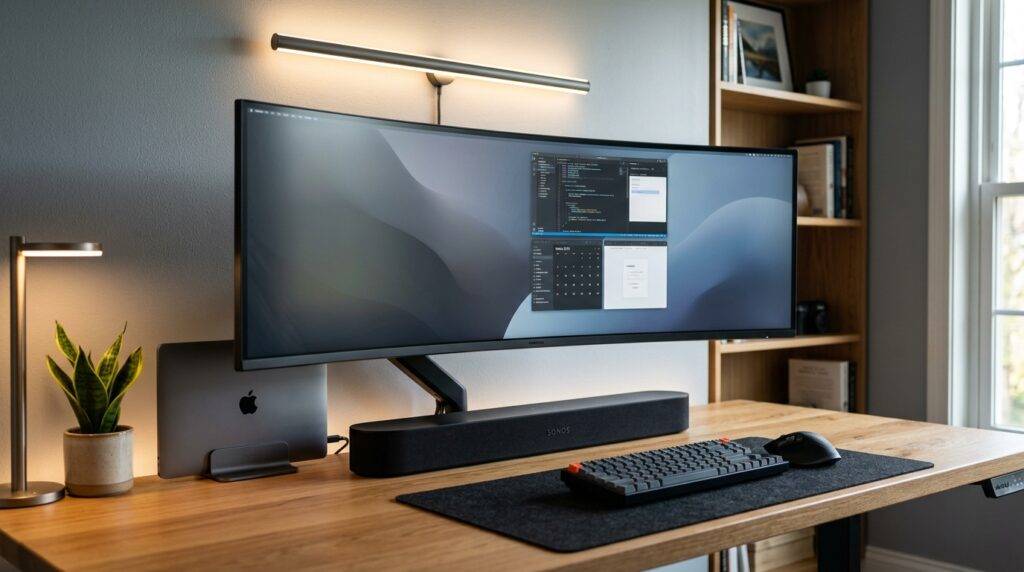
- Aesthetic Uniformity: A soundbar creates a “command center” look that fits perfectly under ultra-wide monitors.
The Limitations (Cons)
- The “Dead Spot”: Because the drivers are close together, you lose the distinct “left-to-right” panning required for competitive shooters like Valorant or CS:GO.
- Auto-Sleep Issues: Many TV-oriented soundbars have an “Auto-Power Off” feature that triggers after 15 minutes of silence. This can be infuriating when a Windows notification suddenly wakes the bar, cutting off the first two seconds of sound.
Choosing the Right Connection for Performance
If you want to substitute computer speakers with a soundbar effectively, your connection choice is critical for latency (lag).
- HDMI (ARC/eARC): Lowest Latency. Supports uncompressed 5.1 and 7.1 audio. Best for movie buffs and gamers.
- Optical: Zero Interference. Perfect for older PCs that lack HDMI audio output. It provides a very “clean” signal.
- USB-C: Modern & Fast. Best for laptops. It carries both power and data, making it the most portable option.
- Bluetooth: High Latency. I generally advise against Bluetooth for desktop use because of the visible delay between someone’s lips moving on screen and the sound reaching your ears.
Troubleshooting Common Issues
Even after you decide that you can substitute computer speakers with a soundbar, you might run into these three common hurdles:
No Sound via HDMI
Most PCs treat a soundbar connected via HDMI as a second monitor. If your sound disappears, check your display settings. Your PC might be trying to “extend” your desktop to your soundbar. Simply disable the “display” part of the connection while keeping the audio active in your sound control panel.
The Soundbar is Too Quiet
PC output levels are sometimes lower than a TV’s Blu-ray player. Ensure your Windows Master Volume is at 100%, then use the soundbar’s physical remote or buttons to reach the desired loudness. This maximizes the Signal-to-Noise Ratio.
Audio Crackling
This usually happens with 3.5mm Aux cables. The internal components of a PC (especially the GPU) create electromagnetic interference. To fix this, switch to a Digital Optical cable or a USB DAC.
Frequently Asked Questions
Can I use a soundbar for gaming instead of a headset?
Yes, but with caveats. If you play casual titles like Minecraft or The Sims, a soundbar is fantastic. For competitive games where footstep direction matters, you may find the soundstage of a soundbar too narrow compared to a headset or 2.1 speakers.
Will a soundbar turn on automatically with my PC?
If you use HDMI-CEC, yes. However, most PC motherboards do not support CEC out of the box. The best way to ensure auto-power is to use a soundbar designed for PCs (like those from Razer or Creative) which wake up via USB signal.
Do I need a subwoofer for a desktop soundbar?
If you enjoy bass-heavy music or action movies, a subwoofer is highly recommended. Many “all-in-one” bars struggle with frequencies below 60Hz. Look for a soundbar that includes a dedicated wireless sub that you can tuck under your desk.
Can I mount a soundbar to my monitor?
Yes! Many companies sell VESA soundbar mounts that attach to the back of your monitor arm. This allows the soundbar to float with your monitor, keeping your desk surface completely empty.
Is a TV soundbar different from a PC soundbar?
TV soundbars are usually longer (35+ inches) and designed for “far-field” listening (sitting 6-10 feet away). PC soundbars are shorter (15-25 inches) and tuned for “near-field” listening (sitting 2 feet away). You can use a TV bar, but it may sound overly bright if you sit too close.
Final Verdict: You absolutely can substitute computer speakers with a soundbar. By following the connection tips above, you will enjoy a cleaner desk and a more powerful audio experience. Start by checking your PC’s available ports and measure your desk space to find the perfect fit for your new setup.