Introduction
In the world of premium home audio, few names carry as much prestige as Bowers & Wilkins (B&W). For decades, the British audio pioneer has been a mainstay in professional recording facilities, including the legendary Abbey Road Studios, and the homes of passionate audiophiles. As the digital music revolution shifted the industry away from physical media and towards wireless streaming, B&W met the challenge head-on. Rather than compromising their legendary acoustic standards for the sake of convenience, they engineered systems that merged modern wireless convenience with true, uncompromising high-fidelity sound.
The B&W A7 Hi-Fi Wireless Music System stands as the pinnacle of this pursuit. Originally launched as the ultimate tabletop wireless speaker, the A7 was designed to cater to those who demand studio-grade acoustics but prefer an understated, clutter-free aesthetic. Unlike its sibling, the iconic and visual-statement-making B&W Zeppelin, the A7 takes a more reserved, classic architectural approach. It is designed to seamlessly blend into bookshelves, sideboards, and home offices, letting its magnificent sound do all the talking.
Priced at $479, the B&W A7 represents a significant investment in home entertainment. But does this self-contained audio powerhouse deliver on its audiophile promises? In this comprehensive, long-term review, we will dissect the engineering behind the A7, analyze its design, list its distinct pros and cons, study consumer feedback, and help you decide whether this luxury wireless music system deserves a spot in your home.
Product Overview
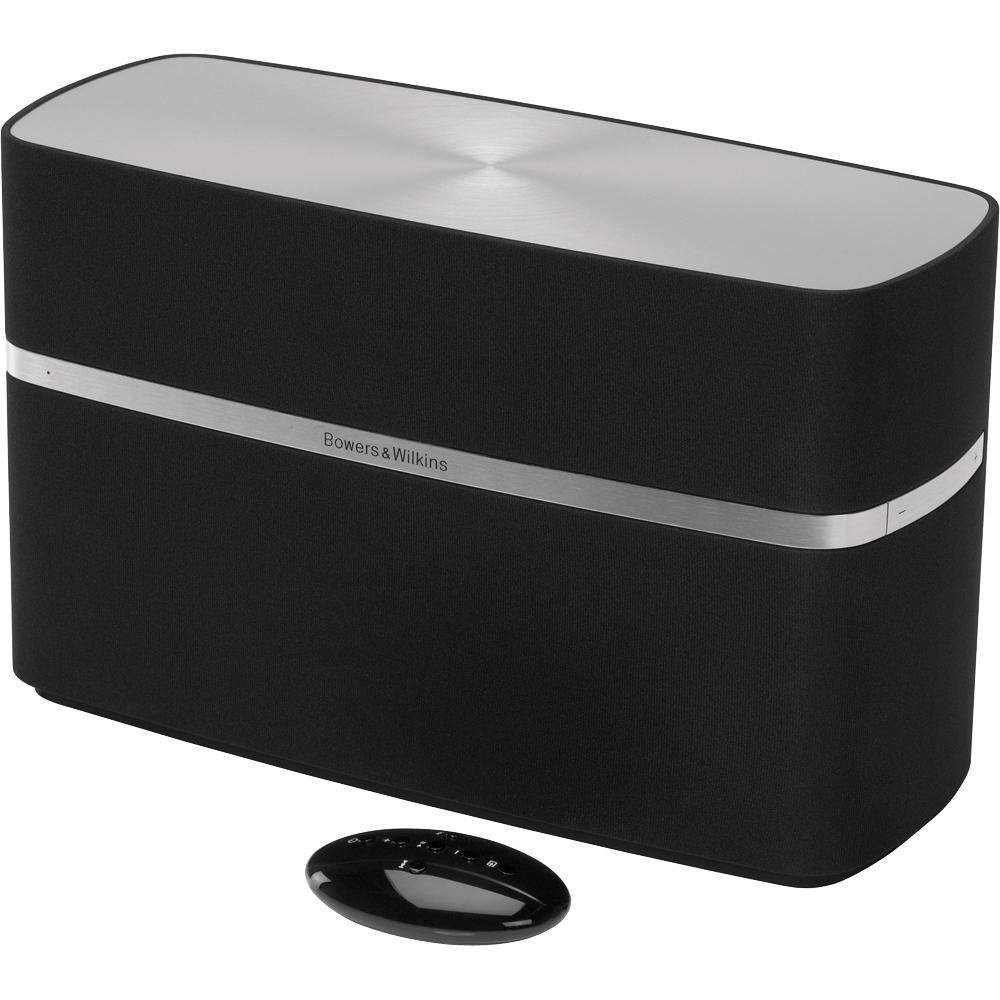
At first glance, the B&W A7 is an exercise in minimalist elegance. Measuring approximately 14.2 inches wide, 8.7 inches tall, and 6.3 inches deep, it weighs a hefty 12.6 pounds (5.6 kg). This weight is the first indicator of the speaker’s robust engineering. The enclosure is constructed from glass-reinforced ABS, a highly rigid material chosen specifically to combat cabinet resonances and vibrations that can muddy the audio output. The exterior is wrapped in a high-grade black acoustic cloth grille, bisected cleanly by a brushed aluminum band that wraps around the entire chassis. A subtle, multi-colored LED indicator sits on the front to communicate the system’s power and input status, ensuring nothing distracts from its sleek silhouette.
But the real magic of the A7 lies beneath its refined exterior. This is a true 2.1 active system, featuring five individually amplified drivers engineered by Bowers & Wilkins’ world-class acoustic team:
- Two 1-inch Nautilus Tube Aluminum Tweeters (25 Watts each): Borrowed directly from B&W’s flagship high-end stereo speakers, these tweeters utilize rear-facing tapered tubes to absorb unwanted sonic reflections from the back of the dome, producing incredibly clean, sweet, and distortion-free high frequencies.
- Two 3-inch Midrange Drivers (25 Watts each): These dedicated drivers handle the vital vocal and instrumental ranges, ensuring midrange frequencies remain clear, warm, and highly expressive.
- One 6-inch Kevlar-Reinforced Subwoofer (50 Watts): Positioned centrally and reinforced by a large rear-facing Flowport™—which uses golf-ball-like dimples to smooth out airflow and eliminate port noise (“chuffing”)—this subwoofer delivers remarkably deep, punchy, and articulate bass that defies the speaker’s physical size.
Altogether, the A7 packs 150 Watts of Class-D amplification. To complement this powerful driver array, the system features high-quality digital-to-analog converters (DACs) capable of up to 24-bit/96kHz audio processing over its USB connection. This means you can bypass your computer’s inferior internal soundcard and feed high-resolution digital audio files directly to the A7 for pristine reproduction.
In terms of connectivity, the A7 relies heavily on Apple’s AirPlay technology to stream music losslessly from iPhones, iPads, and Mac computers over Wi-Fi. However, it also includes a solid selection of physical ports on its rear panel:
- An Ethernet (RJ-45) port for a stable, wired network connection.
- A Type-B USB port for direct PC/Mac integration.
- A 3.5mm auxiliary input that supports both standard analog signals and optical digital inputs.
Setting up the system is handled wirelessly via the free Bowers & Wilkins Control App (historically known as the AirPlay Setup App), which guides users through connecting the system to their home network step-by-step.
Pros
The B&W A7 is packed with high-end audio technology, and its performance reflects this premium heritage. Here are the standout advantages of owning this system:
- 1. Breathtaking Audiophile-Grade Sound Quality: The audio performance of the A7 is nothing short of extraordinary for a tabletop system. Thanks to the custom Nautilus tweeters and dedicated midrange drivers, vocals are presented with lifelike clarity, while high-frequency instruments like cymbals sound crisp without ever feeling harsh or fatiguing.
- 2. Powerful, Controlled Bass Performance: Many compact speakers artificially boost bass to sound larger, resulting in a muddy, boomy sound. The A7, thanks to its 6-inch Kevlar-reinforced subwoofer and Flowport design, delivers deep, authoritative bass that remains incredibly tight, punchy, and rhythmically precise.
- 3. Surprisingly Wide Stereo Soundstage: While a single-cabinet speaker can never fully replace a traditional pair of widely spaced stereo bookshelf speakers, the A7 does an exceptional job of spreading sound. Its internal driver alignment and digital signal processing (DSP) create a wide, spacious soundstage that can easily fool you into thinking you are listening to two separate speakers.
- 4. Premium High-Resolution USB DAC: For desktop setups, the built-in 24-bit/96kHz DAC is a massive advantage. Connecting your laptop or desktop computer via USB bypasses cheap motherboard audio, allowing the A7 to decode high-resolution audio files for an unparalleled near-field listening experience in your office or study.
- 5. Rigid, Resonance-Free Cabinet Build: B&W’s use of glass-reinforced ABS means that even when the speaker is driven to high volume levels, there are absolutely no annoying rattles or cabinet vibrations. The unit feels incredibly dense and solid, indicating top-tier build quality.
- 6. Clean, Minimalist Architectural Design: If you find the visual aesthetic of the famous Zeppelin too futuristic or obtrusive, the A7 is the perfect antidote. Its simple, elegant rectangular shape fits effortlessly into classic, modern, or Scandinavian interior designs without drawing undue attention to itself.
- 7. Lossless Wireless AirPlay Streaming: Unlike standard Bluetooth compression which degrades sound quality, AirPlay streams music over your home Wi-Fi network losslessly. This ensures your favorite tracks retain their full dynamic range, detail, and musicality.
Cons
Despite its acoustic excellence, the B&W A7 is not without its flaws. To ensure a balanced purchase decision, here are the primary drawbacks you should consider:
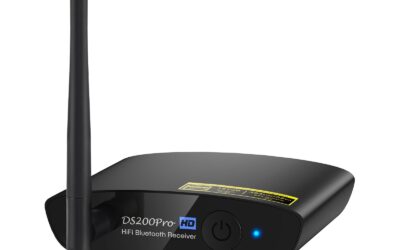
- 1. No Built-In Bluetooth Connectivity: The primary wireless protocol for the A7 is Apple’s AirPlay. Because it lacks onboard Bluetooth, Android users, Windows PC owners (unless running iTunes), and guests cannot easily connect and play music on the fly. To get Bluetooth, you would need to buy a separate third-party Bluetooth receiver and plug it into the auxiliary input.
- 2. Cheap, Disappointing Remote Control: Given the premium price tag and high-end build of the speaker itself, the included pebble-shaped remote control feels remarkably cheap. It is made of lightweight plastic, lacks menu navigation for connected devices, and the battery compartment can be frustratingly difficult to open.
- 3. Occasional Wi-Fi and AirPlay Dropouts: Because the A7 relies on the older AirPlay protocol, it can be sensitive to network interference. If you have a weak Wi-Fi signal or an older router, you may experience occasional audio dropouts or a minor delay (up to 2-3 seconds) between pressing “play” on your phone and hearing the music.
- 4. Lack of Multi-Room Scalability: Unlike modern smart speaker systems like Sonos, the A7 was not designed as an easily expandable multi-room network speaker. While you can stream to multiple AirPlay speakers from a Mac running iTunes, managing a multi-room setup is not as seamless or integrated.
- 5. Requires a Break-In Period: Fresh out of the box, the A7 can sound slightly tight and bright. To truly experience the deep bass and lush midranges, the system requires a “break-in” (or burn-in) period of roughly 40 to 50 hours of playback to allow the stiff Kevlar subwoofer and driver surrounds to loosen up.
Customer Reviews Analysis
With 66 customer reviews on Amazon, the B&W A7 maintains an incredibly strong reputation among real-world buyers, earning high marks for its stellar sound quality and luxurious build. However, looking at the collective experience of these customers provides valuable context on what it’s actually like to live with this system.
Acoustic Appreciation
The overwhelming consensus among reviewers is that the sound quality of the A7 easily outclasses typical wireless speakers on the market. Users frequently compare it to popular units from Bose and Sonos, with many stating that the A7 “far exceeds” the fidelity of its competitors. Listeners who enjoy classical, jazz, and classic rock praise the speaker’s ability to layer instruments, creating a “rich tapestry of sound”. Reviewers note that vocals sound exceptionally intimate and clear, while the bass is described as warm and room-filling rather than obnoxious.
The Setup and Connection Learning Curve
Setup is a common topic in the user reviews. While some buyers found the process “a breeze” using the iOS app, others reported initial frustration. Several customers pointed out that the speaker requires a robust, high-quality Wi-Fi router to function without dropouts. Those who upgraded their home networks or connected the A7 via a wired Ethernet cable reported flawless performance. A few tech-savvy users solved the lack of Bluetooth by plugging in a small USB or auxiliary Bluetooth receiver, turning the unit into a more versatile receiver.
The “Burn-In” Phenomenon
An interesting pattern among verified purchasers is the mention of a “burn-in” period. Multiple users noted that they were initially underwhelmed by the bass performance during the first few days. However, after about 50 hours of continuous playback, the speaker “opened up,” revealing a deeper, more atmospheric bass and a sweeter midrange.
The Remote Control Grumble
Almost universally, even the most passionate B&W fans in the review section criticize the remote control. Many describe it as a “dud” or “chintzy” and suggest that users will likely bypass it entirely, preferring to control volume and playback directly from their iPhone, iPad, or Mac.
Who Should Buy This Product?
The B&W A7 is a highly specialized piece of audio equipment. It is not a generic, one-size-fits-all Bluetooth speaker, which means it will suit some listeners far better than others.
This product is perfect for:
- Apple Ecosystem Users: If your home is populated by iPhones, iPads, and MacBooks, the A7’s native AirPlay integration will feel seamless and highly convenient, providing lossless high-fidelity audio with zero hassle.
- Desktop and Home Office Audiophiles: If you spend your day working at a desk, connecting your computer to the A7 via USB allows you to leverage its internal 24-bit DAC. This creates one of the absolute best near-field listening experiences available on a single desktop unit.
- Design-Conscious Music Lovers: If you hate the cluttered look of wires, amplifiers, and separate speaker cabinets, but refuse to sacrifice audio quality, the A7 offers “separates-quality” sound in a single, gorgeous, understated chassis.
- Acoustic Purists: If you appreciate nuanced, well-balanced sound where bass is deep but tight, vocals are clean, and high-frequency details are meticulously preserved, you will find the A7 to be worth every penny.
This product is NOT ideal for:
- Android and Windows Power Users: The lack of native Bluetooth means you will have to jump through hoops to stream wirelessly from non-Apple devices.
- Those Seeking a Portable Outdoor Speaker: The A7 is heavy, lacks a built-in battery, and must remain plugged into a wall outlet. It is strictly a home-bound, stationary audio system.
- Heavy Bass-Head Music Fans: While the bass is incredibly precise and deep for its size, it is a refined audiophile bass. Those looking for room-shaking, subwoofer-rattling electronic dance music power might find themselves wanting more raw physical impact.
Final Verdict
The B&W A7 Hi-Fi Wireless Music System is a masterclass in how to build a high-end, self-contained home audio system. By packing legendary acoustic technologies—like their custom Nautilus aluminum tweeters and a hefty 6-inch Kevlar-reinforced subwoofer—into a beautiful, rigid cabinet, Bowers & Wilkins has delivered a speaker that sounds far larger and more sophisticated than its compact dimensions suggest.
While it has some minor, legacy-related drawbacks—namely the lack of built-in Bluetooth, a subpar remote control, and a dependence on a strong Wi-Fi network—its absolute acoustic excellence more than makes up for these quirks. If you are an iOS user or plan to use it as a high-end USB desktop sound system, the level of detail, depth, and clarity it provides is unmatched in this price bracket.
At $479, the A7 represents a stellar value for anyone looking to bring true high-fidelity audio into their living room, bedroom, or office without the clutter of traditional stereo components. It is a premium product built for those who love music and want to hear it exactly as the artist intended. Highly recommended.