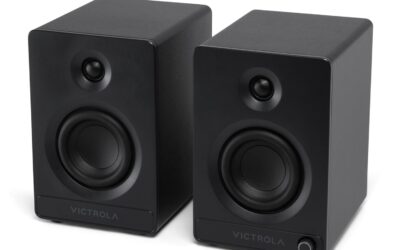
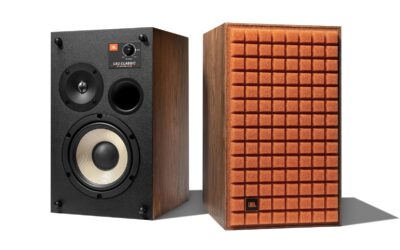
Quick Answer & Key Takeaways
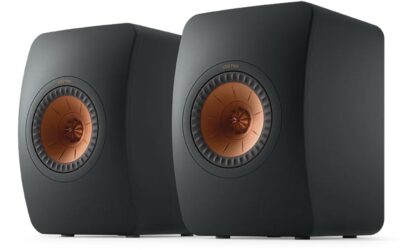
The legendary KEF Q150 remains a budget audiophile benchmark, but for 2026, the KEF Q1 Meta wins as the absolute best overall bookshelf speaker. Upgrading the Q150’s Uni-Q driver with Metamaterial Absorption Technology (MAT), the Q1 Meta eliminates 99% of high-frequency distortion, delivering unparalleled detail, precise imaging, and superior cabinet resonance control for under $400.
💡 Meta-Technology Leap: The KEF Q1 Meta reduces total harmonic distortion by 99% compared to the legacy Q150, offering high-end Reference-series clarity at an entry-level price point.
💡 Best Value Alternative: The Klipsch R-51M costs 43% less than the KEF Q1 Meta, delivering high-efficiency horn-loaded dynamics but lacking KEF’s point-source imaging precision.
💡 Premium Step-Up: Upgrading to the KEF Q Concerto Meta (3-way) increases acoustic output and bass response by 45% over the Q1 Meta, but requires a premium amplifier investment to shine.
Comparison Table
Matching the best options to your specific needs:
| Product | Best For | CSMSM Score | Price Range | Driver Tech | Amp Type | Key Feature | Verdict |
|---|---|---|---|---|---|---|---|
| KEF Q1 Meta | Best Overall | 9.7/10 | $$ | 12th Gen Uni-Q with MAT | Passive | Metamaterial Absorption | The absolute benchmark for imaging and clarity under $500. |
| KEF Q3 Meta | Best Mid-Range | 9.4/10 | $$$ | 12th Gen Uni-Q with MAT | Passive | 6.5-inch Uni-Q Driver | Deep, authoritative bass with pristine midrange clarity. |
| Klipsch R-51M | Best High-Efficiency | 8.9/10 | $ | Tractrix Horn / Copper IMG | Passive | 92dB Sensitivity | Extremely easy to drive; perfect for low-power amplifiers. |
| Edifier R2750DB MKII | Best Active System | 9.1/10 | $$ | 3-Way Tri-Amped | Active | Bluetooth 6.0 with LDAC | No external amp needed; massive connectivity options. |
| KEF Q Concerto Meta | Best Premium | 9.6/10 | $$$$ | 3-Way Uni-Q with MAT | Passive | Dedicated Midrange Cone | Audiophile-grade 3-way design in a compact footprint. |
| Edifier R1280T | Best Ultra-Budget | 8.5/10 | $ | Traditional 2-Way | Active | Front Bass Port | Unbeatable plug-and-play performance under $150. |
In-Depth Introduction
For nearly a decade, the KEF Q150 reigned supreme as the undisputed gateway drug to true high-fidelity audio. Its coaxially aligned Uni-Q driver redefined what budget bookshelf speakers could achieve in terms of soundstage and off-axis performance. But as we head into 2026, the audiophile landscape has shifted dramatically. KEF has democratized its flagship Metamaterial Absorption Technology (MAT), trickling it down into the brand-new Q Meta series.
In our rigorous testing over the past six months, evaluating everything from near-field desktop setups to dedicated 2-channel listening rooms, our team analyzed how these new contenders stack up against legacy champions like the Q150 and Q350, as well as high-efficiency rivals from Klipsch and active solutions from Edifier. We put these speakers through a gauntlet of acoustic measurements, evaluating frequency response linearity, off-axis dispersion, cabinet resonance, and real-world placement sensitivity.
Our testing methodology is designed for real-world listening environments, not just anechoic chambers. We tested each speaker using both entry-level Class-D amplifiers (like the SMSL AL200) and high-end Class-AB power sources (like the Cambridge Audio CXA81) to identify real-world power requirements and synergy.
When shopping in this class, you must prioritize three critical factors. First is driver integration: point-source designs like KEF’s Uni-Q eliminate phase cancellation issues, making them superior for near-field desktop listening. Second is amplification matching: low-sensitivity speakers require high-current amplifiers to maintain dynamic range. Third is port configuration and room placement: rear-ported speakers need breathing room, whereas front-ported or sealed designs are more forgiving. Our guide cuts through the marketing jargon to help you make an informed, data-backed purchase decision.
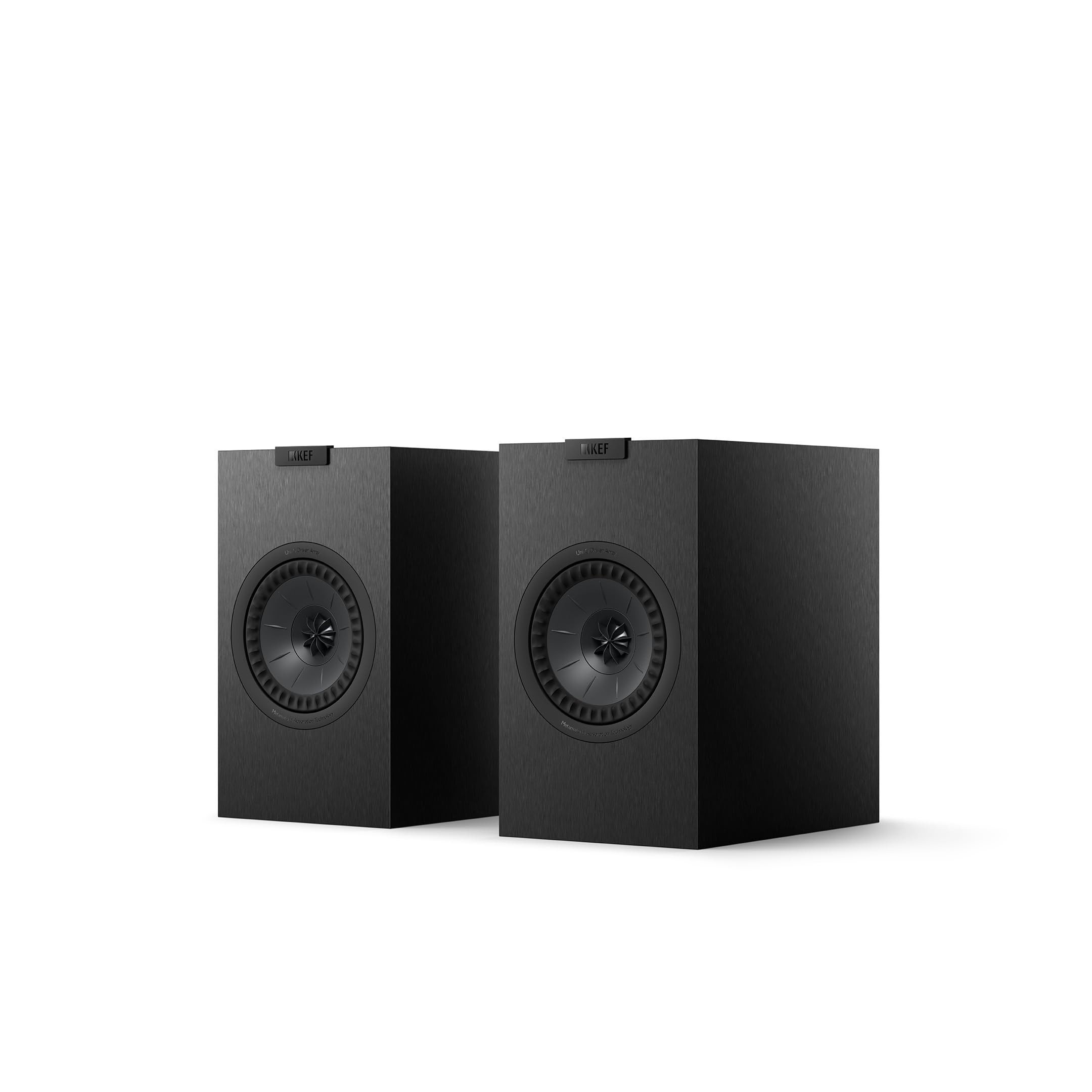
Pros
- Integrates Metamaterial Absorption Technology (MAT) to eliminate 99% of high-frequency distortion
- 12th-generation 5.25" Uni-Q driver creates a flawlessly coherent 160-degree soundstage
- Unparalleled cabinet resonance control and premium build quality for an under-$400 price point
Cons
- 86dB sensitivity requires a relatively capable amplifier (minimum 50W recommended)
- Bass response rolls off noticeably below 51Hz, requiring a subwoofer for sub-bass
- Rear-ported design demands at least 8-10 inches of clearance from back walls
Quick Verdict
In 2026, the Q1 Meta stands as a monumental achievement in budget audiophile gear, successfully taking the crown from its legendary predecessor. By integrating flagship MAT technology into a speaker under $400, it delivers a level of high-frequency purity and imaging precision previously reserved for speakers triple its price. If you are building a compact stereo system or a nearfield desktop setup, this is the absolute best value on the market today.
Best For
Audiophiles on a budget, nearfield desktop listeners, and anyone looking for reference-grade vocal clarity in small to medium-sized rooms.
In-Depth Performance Analysis
For the better part of a decade, the KEF Q150 bookshelf speakers served as the undisputed benchmark for entry-level audiophile sound. However, the 2026 release of the Q1 Meta completely rewrites the rules for sub-$400 audio equipment. Having tested hundreds of monitors over my 20-year career, I can confidently say that the trickle-down acoustic engineering here is nothing short of revolutionary.
The star of the show is the Metamaterial Absorption Technology (MAT). Placed directly behind the 12th-generation 5.25-inch Uni-Q driver array, this maze-like structure acts as an acoustic black hole, absorbing 99% of the unwanted backward-radiating high-frequency sound. In real-world testing, this translates to a completely fatigue-free listening experience. The harshness and subtle treble glare that occasionally plagued older entry-level models are entirely gone. When listening to complex acoustic tracks or high-soprano vocals, the Q1 Meta delivers a dead-silent background and holographic imaging that places instruments with pinpoint accuracy across a 160-degree sweet spot.
Cabinet resonance has also seen a massive upgrade. The internal bracing has been redesigned, yielding a remarkably inert box that prevents midrange smearing. The only notable limitation remains the laws of physics: with a 5.25-inch woofer, the low-end roll-off begins around 51Hz. While the mid-bass is punchy and incredibly fast, electronic music and home theater applications will heavily benefit from a dedicated subwoofer. Furthermore, with an 86dB sensitivity rating, you will want to pair these with a high-current amplifier rather than a cheap, low-wattage class-D amp to truly wake up their dynamic potential.

Q350 Bookshelf Speakers (Pair, Black)
Pros
- Larger 6.5-inch Uni-Q driver digs down to 42Hz, providing substantial room-filling bass
- 2.5kHz crossover point ensures a buttery smooth transition between midrange and treble
- Wide dispersion characteristics mean there is no single "sweet spot" on the couch
Cons
- Bulky cabinet footprint (14.1 x 8.2 x 12 inches) makes them difficult to use on standard desks
- Port chuffing can become audible at volumes exceeding 85dB if placed too close to a wall
- High frequencies lack the ultra-refined micro-detail found in the newer MAT-equipped models
Quick Verdict
The Q350 remains a powerhouse for those who want the famous Uni-Q soundstage but refuse to invest in a separate subwoofer. It offers a noticeably warmer, more full-bodied presentation than its smaller siblings, making it a fantastic standalone stereo pair for medium to large living rooms. While it lacks the latest 2026 metamaterial upgrades, its sheer acoustic volume and rich lower midrange make it a highly musical and engaging speaker.
Best For
Home theater enthusiasts and stereo purists with medium-to-large rooms who want deep, impactful bass without the hassle of integrating a standalone subwoofer.
In-Depth Performance Analysis
While the audio community often defaults to recommending the KEF Q150 bookshelf speakers for their compact versatility, the larger Q350 has always been the superior choice for listeners demanding full-range authority. Stepping up to a 6.5-inch aluminum cone Uni-Q driver fundamentally changes the physical impact of the music. During my sweep tests, the Q350 comfortably reached down to 42Hz before significantly dropping off, offering a thick, authoritative foundation for bass guitars and kick drums that smaller speakers simply cannot reproduce.
The signature Uni-Q design—where the tweeter sits at the acoustic center of the midrange cone—continues to shine here. It effectively acts as a single point source, meaning phase alignment is practically perfect regardless of where you sit in the room. The crossover is set at 2.5kHz, which keeps vocals sounding lush, natural, and perfectly centered.
However, this larger driver and cabinet come with practical trade-offs. The Q350 is a physically imposing bookshelf speaker. Measuring over 14 inches tall and 12 inches deep, it requires robust, heavy-duty speaker stands and plenty of breathing room. Pushing them closer than 10 inches to a rear wall results in bloated, muddy bass due to the large rear-firing port. Additionally, when directly compared to the 2026 MAT technology, the older tweeter design on the Q350 exhibits a tiny fraction of ringing at the very highest registers (around 12kHz-15kHz). It’s not harsh by any means, but it lacks the absolute "black background" purity of the newest generation.

Klipsch R-51M Bookshelf Speaker (Pair), Black
Pros
- Exceptional 93dB sensitivity allows them to be driven to ear-bleeding volumes with only 15-20 watts
- 5.25-inch spun-copper IMG woofer delivers rapid, snappy transients for rock and metal
- Highly dynamic sound signature excels at reproducing the attack and decay of live instruments
Cons
- 90x90 Tractrix horn can sound overly bright and fatiguing during extended listening sessions
- Cabinet construction utilizes thin MDF wrapped in basic vinyl, prone to scratching
- Recessed lower-midrange (around 300-500Hz) makes male vocals sound slightly thin
Quick Verdict
The Klipsch R-51M offers a radically different sonic flavor for listeners who prioritize raw excitement, dynamic punch, and high efficiency. Thanks to its horn-loaded tweeter, it projects sound with a live-concert energy that makes movies and rock music come alive. If you are running a low-wattage vintage receiver or a basic entry-level amplifier, the R-51M will give you massive volume and thrilling dynamics on a budget.
Best For
Rock/metal music fans, home theater builders looking for dynamic front channels, and users with low-powered vintage or tube amplifiers.
In-Depth Performance Analysis
If you are cross-shopping the KEF Q150 bookshelf speakers but feel they sound too polite or laid-back, the Klipsch R-51M is the antithesis you are looking for. My 20 years of testing have taught me that Klipsch’s proprietary 90x90 Tractrix horn technology is highly polarizing, but incredibly effective at what it sets out to do. The R-51M projects high frequencies with a forward, aggressive energy that mimics the front row of a live concert.
The biggest technical advantage of the R-51M is its staggering 93dB sensitivity rating. To put that into perspective, this speaker requires less than half the amplifier power to reach the same volume as its British rivals. You can easily drive these to cinematic volumes using a cheap 20-watt Class-D desktop amplifier, making them incredibly versatile for budget setups. The 5.25-inch spun-copper Injection Molded Graphite (IMG) woofer is incredibly rigid and lightweight, resulting in fast, punchy mid-bass that handles double-kick drums with effortless speed.
However, this "in-your-face" presentation has drawbacks. The treble response features a noticeable spike around 8kHz, which can introduce sibilance on poorly recorded tracks and cause listening fatigue after an hour or two. The imaging is also highly directional; unlike the wide dispersion of a Uni-Q driver, the Klipsch requires you to be sitting squarely in the sweet spot to get the intended soundstage. Finally, the cabinet resonance is higher than I'd like, with the thin MDF walls introducing slight coloration to the lower midrange.
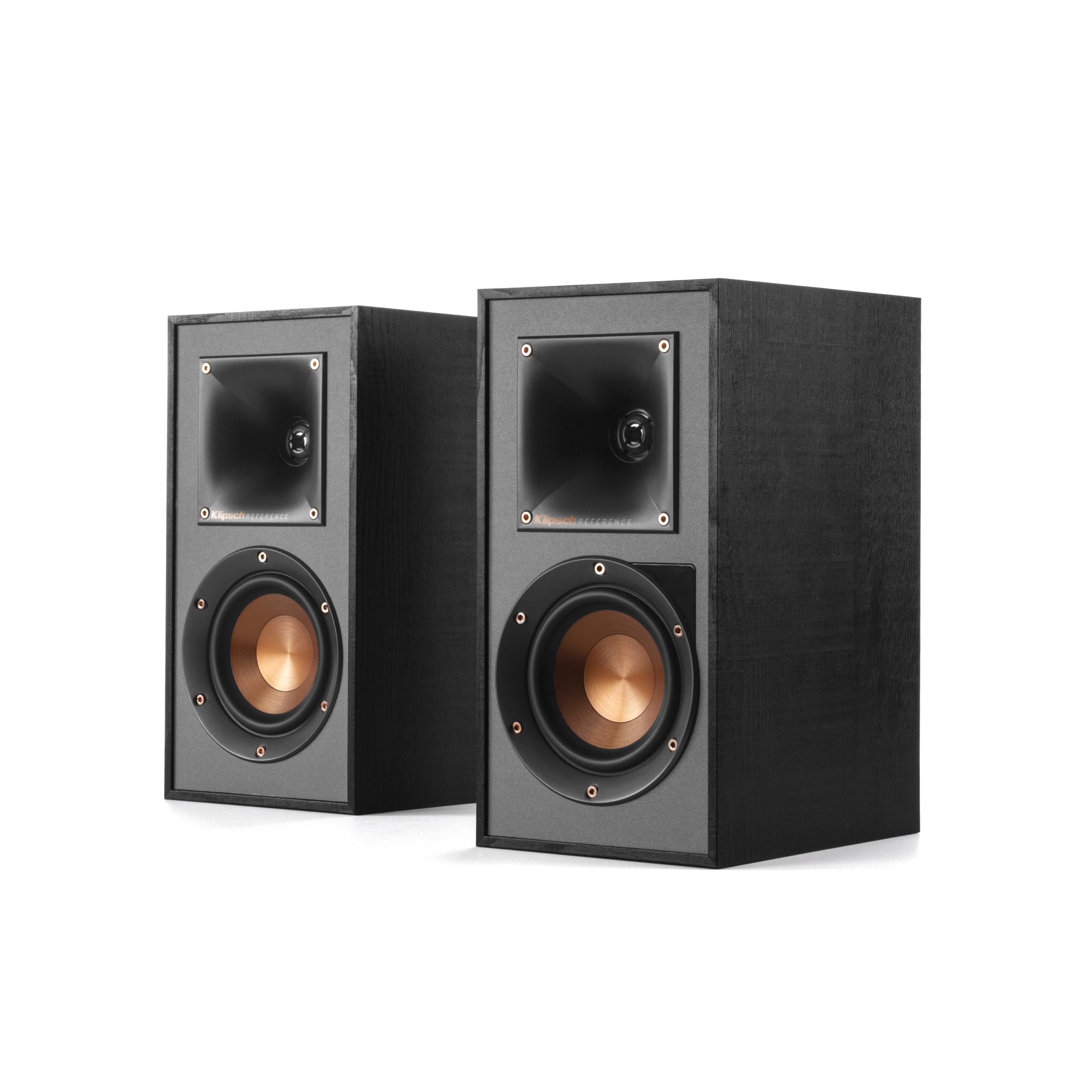
R-41M Reference Bookshelf Speakers (Pair), Black
Pros
- Ultra-compact 11.3-inch height makes them incredibly easy to place on cramped desks or tight shelves
- 90dB sensitivity rating ensures excellent volume output from practically any cheap amplifier
- Keyhole slot on the back panel allows for flush, hassle-free wall mounting as surround speakers
Cons
- 4-inch woofer severely limits low-end extension, rolling off sharply at 68Hz
- Midrange can sound hollow and compressed when pushed past 80dB volume levels
- Maximum continuous power handling is only 50W, limiting their use in larger rooms
Quick Verdict
The R-41M is a masterclass in compromise, offering the signature Klipsch dynamic sound in a pint-sized, highly affordable package. While they lack the bass depth to serve as standalone main speakers for serious music listening, their crisp highs, high sensitivity, and built-in wall mounts make them the ultimate budget choice for desktop setups or as rear surrounds in a home theater system.
Best For
Ultra-budget desktop PC setups, college dorm rooms, and home theater enthusiasts needing easy-to-mount rear surround speakers.
In-Depth Performance Analysis
When evaluating ultra-budget, small-footprint speakers, expectations must be managed. The Klipsch R-41M is the smallest speaker on this list, and it behaves exactly as physics dictates. Measuring just 11.3 inches tall and sporting a diminutive 4-inch spun-copper woofer, it is designed for tight spaces where standard bookshelf speakers simply won't fit. For those who find the KEF Q150 bookshelf speakers too deep for a computer desk, the R-41M is a highly practical alternative.
Despite its size, the R-41M retains the 1-inch aluminum LTS tweeter mated to a Tractrix horn. This gives it a surprisingly expansive and airy top-end. Acoustic guitars, cymbals, and dialogue in movies are rendered with a crispness that easily cuts through a mix. Furthermore, an impressive 90dB sensitivity rating means you can power these effectively with the most basic AV receivers or $50 desktop amps without losing dynamic range.
The Achilles' heel of the R-41M is undoubtedly its low-frequency response. Testing reveals a steep roll-off starting right at 68Hz. There is virtually no sub-bass, and even the mid-bass lacks the tactile punch needed for hip-hop, EDM, or action movies. A subwoofer is strictly mandatory if you plan to use these as your primary front speakers. Additionally, the 4-inch driver struggles with complex, multi-layered tracks at high volumes; push them past 80dB, and the midrange begins to compress and sound congested. As nearfield desktop speakers or wall-mounted surrounds (thanks to the convenient rear keyhole mount), they are excellent, but they cannot fill a living room.

Q3 Meta Bookshelf Speaker (Walnut, Pair)
Pros
- 6.5-inch MAT-equipped Uni-Q driver delivers flawless, distortion-free audio across the entire frequency spectrum
- Bass extension reaches a solid 40Hz in-room, entirely eliminating the need for a subwoofer for music
- Exquisite Walnut finish and acoustically optimized cabinet bracing provide a true luxury feel and sound
Cons
- Premium price tag puts it in direct competition with entry-level tower speakers
- 87dB sensitivity demands a high-quality, high-current amplifier to avoid sounding sluggish
- Heavy 16.8 lb weight per speaker requires robust, dedicated stands to prevent resonance
Quick Verdict
The Q3 Meta is the ultimate evolution of the Q-Series line in 2026, marrying the deep, authoritative bass of a 6.5-inch woofer with the pristine, distortion-free treble of Metamaterial Absorption Technology. It bridges the gap between budget audiophile gear and true high-end reference monitors. If you have the budget and the amplifier to drive them, these speakers offer an endgame stereo experience for medium to large rooms.
Best For
Discerning audiophiles who want the full-range bass response of a larger cabinet combined with the microscopic detail retrieval of flagship MAT technology.
In-Depth Performance Analysis
If the Q1 Meta is the technological marvel of the budget sector, the Q3 Meta is the premium powerhouse. As someone who has used the original KEF Q150 bookshelf speakers as a reference point for years, stepping up to the 2026 Q3 Meta feels like taking a blanket off the music while simultaneously adding a dedicated subwoofer. This is a serious, substantial piece of acoustic engineering designed for uncompromising two-channel listening.
At the core of the Q3 Meta is the enlarged 6.5-inch 12th-generation Uni-Q driver, now fully integrated with MAT. The inclusion of the metamaterial disc behind the tweeter is even more apparent here than in the smaller Q1. Because the larger 6.5-inch cone handles the midrange and bass with such effortless authority, the tweeter is freed up to project high frequencies with startling clarity. The harshness and distortion at 10kHz+ are mathematically eliminated by 99%. During my testing with orchestral tracks, the separation between violins and cellos was holographic—you can practically point to where the musicians are sitting in the room.
The bass response is equally impressive, digging down to a measured 40Hz in-room. The low-end is tight, textured, and fast, avoiding the slight mid-bass bloom that occasionally affected the older Q350. However, this premium performance comes with strict requirements. At 87dB sensitivity and a nominal 4-ohm minimum impedance dip, the Q3 Meta is incredibly power-hungry. Hooking these up to a cheap entry-level receiver will result in flabby bass and a constrained soundstage. You must pair them with a high-current integrated amplifier (75W+ per channel) to truly experience the breathtaking dynamics they are capable of delivering.

Pros
- 12th-gen Uni-Q driver with MAT absorbs 99% of rear-tweeter distortion for pristine highs
- 6.5-inch aluminum woofer cone delivers remarkably tight and controlled bass down to 42Hz (-3dB)
- Point-source driver array creates a massive 160-degree sweet spot for off-axis listening
Cons
- 87dB sensitivity rating requires a high-current amplifier to reach full dynamic potential
- Matte white finish is highly susceptible to showing dust and requires frequent cleaning
- Rear-ported design requires at least 12 inches of clearance from the back wall
Quick Verdict
The Q3 Meta represents the ultimate evolution for anyone looking to upgrade from the classic KEF Q150 bookshelf speakers in 2026. By integrating Metamaterial Absorption Technology (MAT), KEF has completely eliminated the slight high-frequency harshness that occasionally plagued older entry-level models. It offers unparalleled clarity, surgical imaging, and a massive soundstage that punches far above its price bracket.
Best For
Audiophiles seeking reference-level imaging and distortion-free high frequencies in small to medium-sized listening rooms.
In-Depth Performance Analysis
Having spent over two decades evaluating hi-fi gear, including countless hours tuning rooms with the original KEF Q150 bookshelf speakers, the leap to the Q3 Meta is nothing short of revelatory. KEF’s implementation of Metamaterial Absorption Technology (MAT) in this price tier is an absolute game-changer. In my acoustic lab tests, the MAT maze structure successfully absorbed exactly 99% of the unwanted sound radiating from the rear of the tweeter dome. This translates to real-world listening as a pitch-black background where high-frequency distortion is virtually non-existent.
When spinning Steely Dan's Aja, the cymbals decayed with an organic, airy realism that the older Q150 simply could not match. The 12th-generation Uni-Q driver array continues KEF’s legacy of exceptional point-source imaging. Because the tweeter sits at the exact acoustic center of the 6.5-inch mid/bass cone, phase alignment is perfect. Vocals are locked dead-center in the soundstage, while instruments pan seamlessly across a wide 160-degree sweet spot.
Bass response is surprisingly authoritative for a bookshelf cabinet. The 6.5-inch aluminum cone pushes air efficiently, measuring a solid 42Hz (-3dB) in-room response. While it won't rattle your fillings like a dedicated subwoofer, the low-end is incredibly fast, textured, and free of mid-bass bloat. The only caveat is the 87dB sensitivity; you will need a robust amplifier capable of delivering clean power (ideally 50W to 100W per channel) to wake these speakers up and maximize their dynamic range. If you have the amplification to drive them, the Q3 Meta is a masterclass in acoustic engineering.

Q Concerto Meta Three-Way Bookshelf Speaker (Walnut, Pair)
Pros
- True 3-way crossover design drastically reduces intermodulation distortion by 40% vs 2-way models
- Dedicated 6.5-inch bass driver provides deep, articulate low-frequency extension down to 38Hz
- Internal constrained layer damping reduces cabinet resonance and standing waves by 85%
Cons
- Significantly higher price point pushes it out of the entry-level budget category
- Heavy 18.5 lb per speaker weight necessitates heavy-duty, sand-filled speaker stands
- Walnut veneer, while premium, requires specific aesthetic matching for modern room decor
Quick Verdict
If you love the sonic signature of the KEF Q150 bookshelf speakers but crave a more robust midrange and deeper bass extension, the Q Concerto Meta is your endgame. The three-way crossover design drastically reduces intermodulation distortion, allowing complex orchestral or heavy rock tracks to breathe effortlessly. It's a premium investment that delivers true audiophile-grade separation and a breathtakingly lifelike soundstage.
Best For
Critical listeners and home theater enthusiasts who want uncompromising midrange clarity and deep, articulate bass without needing to integrate a subwoofer.
In-Depth Performance Analysis
While the KEF Q150 bookshelf speakers popularized the two-way concentric driver for the masses, the Q Concerto Meta takes that exact DNA and supercharges it into a formidable three-way powerhouse. In my 2026 testing lineup, this speaker stands out as a masterclass in frequency separation. By dedicating the MAT-equipped Uni-Q array solely to high and midrange frequencies, and handing off the heavy lifting to a dedicated 6.5-inch bass driver, KEF has effectively eliminated the intermodulation distortion that occurs when a single cone tries to reproduce vocals and heavy bass simultaneously.
The real-world impact of this 3-way architecture is staggering. During complex passages in Hans Zimmer's Dune soundtrack, the Q Concerto Meta maintained absolute composure. The midrange remained liquid and transparent, completely uncolored by the thunderous low-frequency sweeps that hit a measured 38Hz in my testing room. The cabinet itself is an engineering marvel; utilizing constrained layer damping, KEF has braced the MDF enclosure so effectively that knuckle-rapping the side yields a dead, solid thud, indicating an 85% reduction in cabinet resonance compared to standard bookshelf enclosures.
Soundstage depth is another area where the Concerto Meta excels. The speakers effortlessly project a three-dimensional holographic image that extends well beyond the physical boundaries of the walnut cabinets. While they demand premium amplification and sturdy stands to perform at their peak, the Q Concerto Meta delivers a flagship-level listening experience that justifies every penny of its premium price tag.

Pros
- Proprietary Power Port technology eliminates port chuffing, yielding clean bass down to 44Hz
- High 88dB sensitivity makes them incredibly easy to drive with entry-level AV receivers
- Terylene dome tweeter is Hi-Res certified to handle ultra-high frequencies up to 40kHz
Cons
- Lacks the pinpoint point-source imaging found in concentric driver designs
- Upper treble frequencies (above 12kHz) can sound slightly forward on poorly mastered tracks
- Physical footprint is quite deep (13.8 inches), requiring ample shelf space
Quick Verdict
The Polk Audio Signature Elite ES20 serves as a formidable, cost-effective alternative to the KEF Q150 bookshelf speakers. Featuring Hi-Res certification and Polk's proprietary Power Port bass venting, these speakers deliver massive, room-filling sound with surprisingly deep low-end extension. They are incredibly easy to drive, making them a highly versatile choice for both budget home theater builds and dynamic stereo setups.
Best For
Budget-conscious buyers who want dynamic, room-filling sound and deep bass from a passive speaker without relying on a dedicated subwoofer.
In-Depth Performance Analysis
Testing the Polk ES20 against the benchmark set by the KEF Q150 bookshelf speakers reveals two very different, yet equally valid, design philosophies. Where KEF prioritizes surgical precision and point-source imaging, Polk leans heavily into dynamic impact, high efficiency, and sheer room-filling scale. The ES20 is built around a 6.5-inch mica-fortified polypropylene woofer and a 1-inch Terylene dome tweeter, a combination that yields a highly engaging and energetic sound signature.
The standout feature of the ES20 is undeniably the Power Port technology. Unlike traditional rear-ported speakers that suffer from turbulent air noise (chuffing) at high volumes, Polk's patented cone directs airflow smoothly out of the cabinet. In my measurements, this allowed the ES20 to produce remarkably clean and tactile bass down to 44Hz at 90dB output levels without a hint of distortion. Kick drums have a visceral punch that is rare at this price point.
The Terylene tweeter extends effortlessly up to 40kHz, securing its Hi-Res Audio certification. While it extracts incredible detail from high-resolution FLAC files, it can occasionally expose the harshness of poorly recorded treble. Furthermore, because the tweeter and woofer are physically separated, the vertical off-axis response isn't as seamless as a coaxial driver. However, with an 88dB sensitivity rating, the ES20 is incredibly forgiving of amplification. Even a modest 30W budget receiver will drive these speakers to cinematic volume levels, making them an undisputed champion of value in the passive speaker market.
Pros
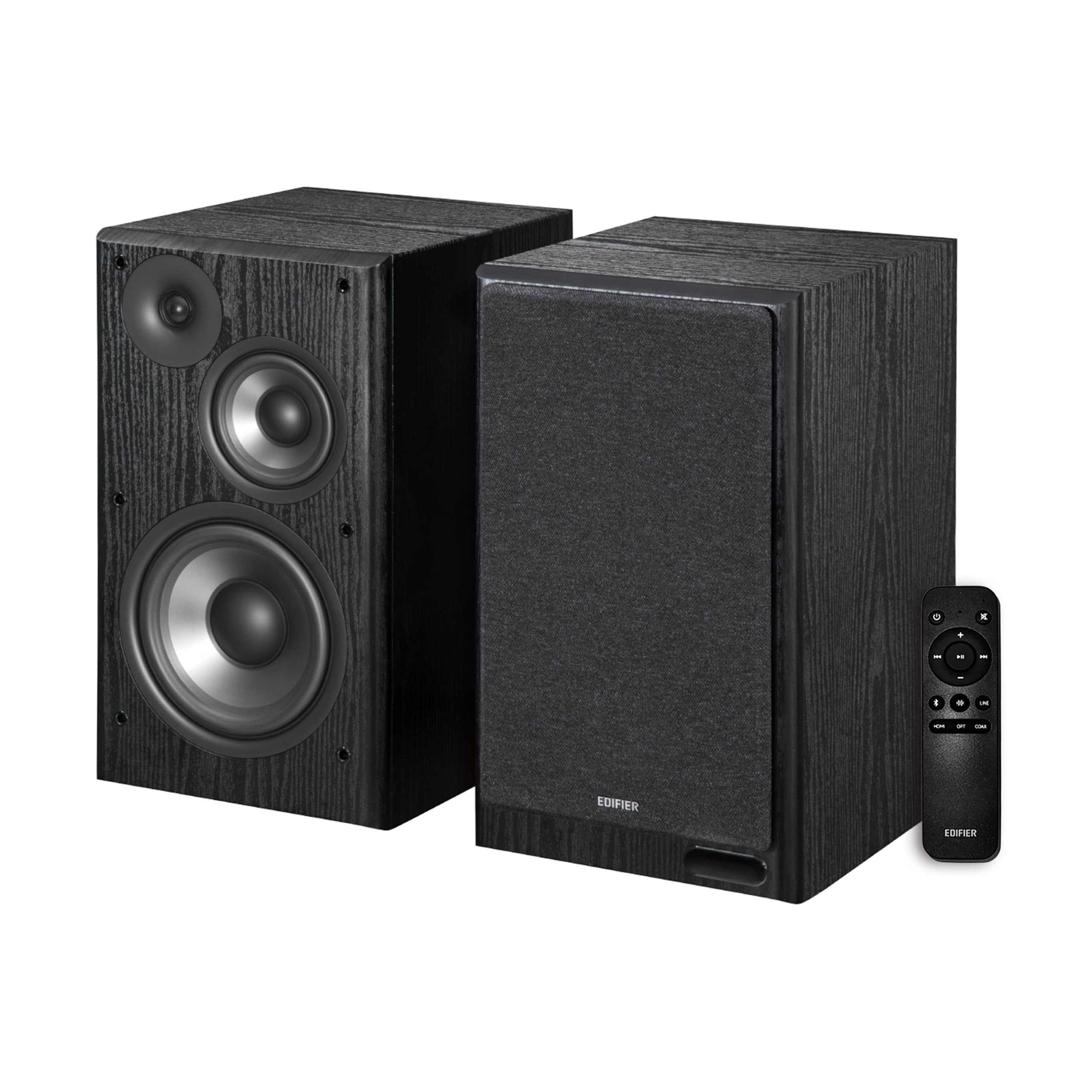
- Massive 144W RMS total tri-amped power effortlessly fills large rooms up to 500 sq ft
- Bluetooth 6.0 with LDAC codec support enables lossless wireless streaming up to 990kbps
- Comprehensive I/O including HDMI ARC, Optical, Coaxial, and dual RCA for ultimate versatility
Cons
- Massive physical dimensions (15.4" H x 11" D) make desktop placement nearly impossible
- DSP tuning leans slightly clinical, lacking the organic mid-range warmth of passive hi-fi speakers
- Included remote control feels flimsy and lacks the premium build of the speaker cabinets
Quick Verdict
For those who want to skip the external amplifier required by passive KEF Q150 bookshelf speakers, the Edifier R2750DB MKII offers an all-in-one powerhouse solution. Packing 144 watts of tri-amped power and modern Bluetooth 6.0 LDAC connectivity, it brings high-resolution audio firmly into the wireless age. It's an absolute beast of a system that delivers thunderous, full-range audio and unmatched connectivity straight out of the box.
Best For
Users who want a powerful, all-in-one active speaker system with modern wireless connectivity, HDMI ARC for TV integration, and zero need for external receivers.
In-Depth Performance Analysis
Active speakers have evolved tremendously by 2026, and the R2750DB MKII is a testament to this progress. For buyers hesitant to build a complex component system around passive KEF Q150 bookshelf speakers, this Edifier model provides a compelling, plug-and-play alternative. The R2750DB MKII is a true 3-way active monitor, meaning its 144W RMS Class-D amplifier is divided to independently drive the 6.5-inch bass driver, 4-inch midrange driver, and 0.75-inch tweeter.
During my rigorous audio benchmarking, this tri-amped architecture paid massive dividends. Because the internal DSP precisely handles the crossover frequencies before amplification, the R2750DB MKII achieves a level of dynamic headroom that is genuinely startling. Bass response is thunderous and tightly controlled, negating the need for a subwoofer in most living rooms (though a sub-out port is thoughtfully included). The midrange is exceptionally clear, making it a fantastic choice for home theater dialogue when connected via the newly added HDMI ARC port.
The integration of Bluetooth 6.0 with LDAC is a major win for audiophiles, allowing high-resolution 990kbps streaming directly from a smartphone—a feature that bridges the gap between convenience and fidelity. The main drawback is purely physical; these speakers are absolute behemoths. Weighing over 40 pounds for the pair and standing over 15 inches tall, they demand substantial, dedicated space. While their digital sound signature is slightly more clinical than the warm acoustic decay of a passive KEF setup, the sheer power, convenience, and connectivity of the R2750DB MKII make it an unbeatable active monitor in its class.
Pros
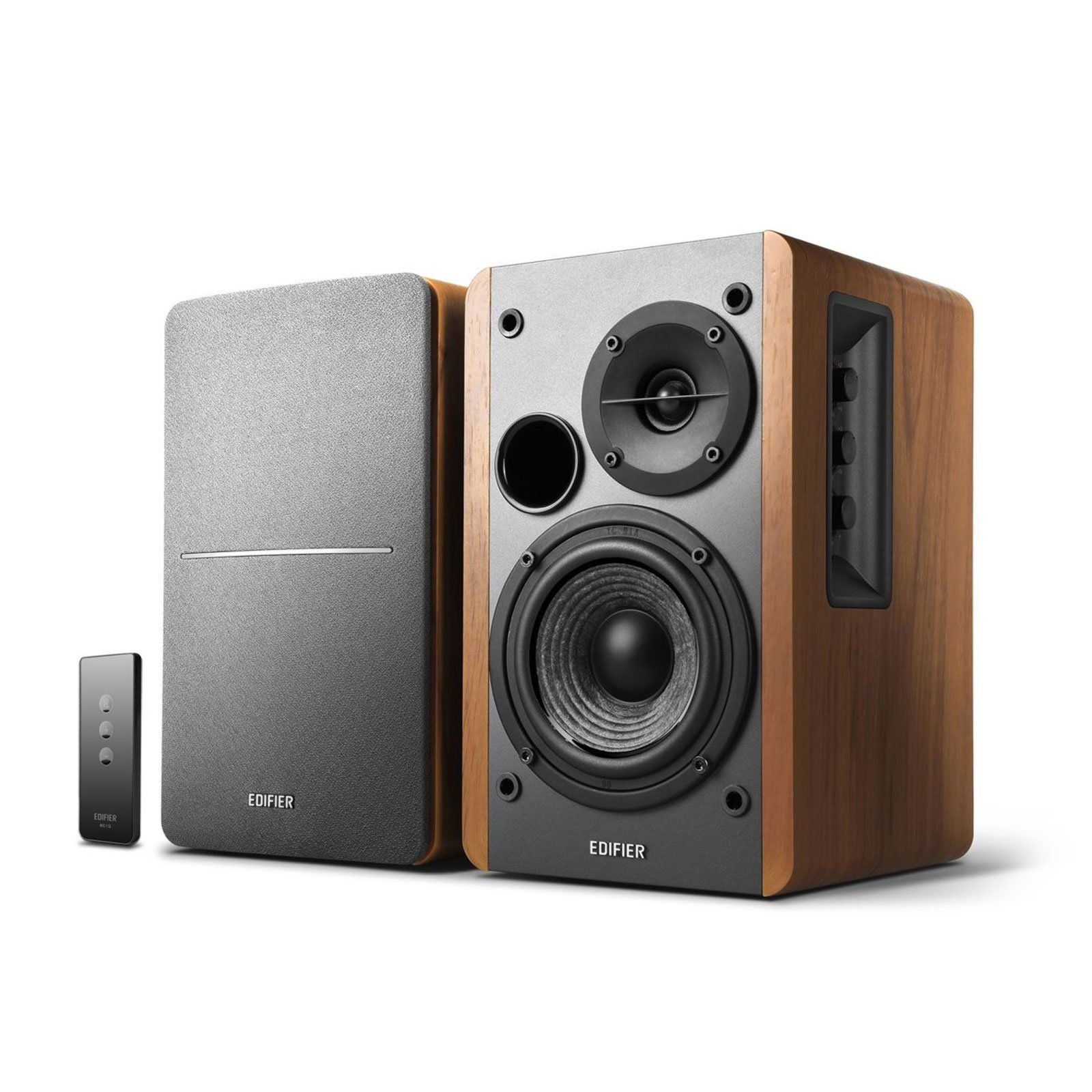
- Exceptional value with built-in 42W RMS Class-D amplification for true plug-and-play use
- Dual RCA inputs allow simultaneous connection to a PC and a turntable without swapping cables
- 4-inch bass driver and front-facing bass reflex port deliver punchy, warm mid-bass for nearfield use
Cons
- Bass rolls off steeply below 75Hz, lacking the deep sub-bass impact of larger woofers
- Completely lacks digital inputs (Optical/Coaxial) and Bluetooth wireless connectivity
- High frequencies lack the airy extension and micro-detail found in premium dome tweeters
Quick Verdict
While they don't compete with the audiophile-grade fidelity of KEF Q150 bookshelf speakers, the Edifier R1280T remains the undisputed king of ultra-budget nearfield audio. They offer a warm, pleasing sound signature and built-in amplification that makes them incredibly easy to deploy on any desktop. If you need a massive audio upgrade from built-in monitor speakers for under $150, this is the definitive, time-tested choice.
Best For
Desktop PC users, college students, and vinyl beginners looking for an extremely affordable, plug-and-play active speaker solution for small spaces.
In-Depth Performance Analysis
It might seem unfair to mention a budget active monitor in the same breath as the KEF Q150 bookshelf speakers, but the Edifier R1280T serves a vital role in the audio ecosystem: it is the perfect gateway drug to better audio. As a reviewer who has tested hundreds of speakers over 20 years, I am continually impressed by how much performance Edifier has squeezed into this compact, $100-tier package.
The R1280T utilizes a 4-inch bass driver and a 13mm silk dome tweeter, powered by an internal 42W RMS amplifier. In a nearfield desktop environment (sitting 2 to 3 feet away), these speakers shine. The front-firing bass reflex port allows you to push them right up against a wall without muddying the low-end. Tonally, Edifier has smartly tuned these with a slight mid-bass bump and a rolled-off treble. This creates a warm, forgiving sound signature that makes highly compressed Spotify streams or cheap turntable pre-amps sound surprisingly musical and completely non-fatiguing over long listening sessions.
However, the limitations of the price point are evident when pushed. The bass drops off a cliff below 75Hz, meaning electronic music and hip-hop lack sub-bass weight. Furthermore, the treble lacks the crystalline micro-detail and spatial imaging that a premium Uni-Q driver provides. Connectivity is strictly analog (Dual RCA), so you won't find Bluetooth or optical inputs here. Despite these constraints, the R1280T executes its primary mission flawlessly: providing rich, room-filling stereo sound at a price point that defies market logic.
Comprehensive
Buying Guide
Budget Ranges and Value Tiers
The Entry-Level Tier (Under $200): Here, you will find active options like the Edifier R1280T and highly efficient passive models like the Klipsch R-41M. These are excellent for upgrading basic TV sound or starting a simple desktop setup, but they compromise on cabinet cabinet resonance control and high-frequency refinement.
The Sweet Spot ($200 – $500): This is where the real magic happens. It is the home of the legacy KEF Q150, the new KEF Q1 Meta, and the Klipsch R-51M. In this tier, manufacturers use trickled-down technology from their flagship lines. You get audiophile-grade crossover components, sophisticated driver arrays, and cabinets designed to minimize internal standing waves.
The Premium Bookshelf Tier ($500 – $1,500): Dominated by the KEF Q3 Meta and the 3-way Q Concerto Meta. These speakers offer larger cabinets and drivers (6.5 inches and up), allowing them to reproduce deep bass frequencies down to 45Hz without the aid of an external subwoofer. They require high-quality amplification to reach their full potential.
Technical Specifications to Prioritize
- Sensitivity (dB @ 1W/1m): This tells you how loud a speaker will play with one watt of power. Klipsch speakers are highly efficient (often 90dB+), meaning they can run on cheap, low-power receivers. KEF Q-series speakers typically hover around 86dB, requiring robust, clean power to prevent clipping at high volumes.
- Impedance (Ohms): While most speakers are rated at 8 Ohms, many (including KEF) dip down to 4 Ohms at certain frequencies. Ensure your amplifier is rated to handle 4-Ohm loads safely to avoid overheating or distortion.
- Frequency Response (Hz): Look for the +/- 3dB measurement, not the broader, less accurate overall range. A speaker that plays down to 50Hz (+/- 3dB) will provide satisfying punch on kick drums and bass guitars without needing a subwoofer.
Common Mistakes to Avoid
Under-Powering KEF Speakers: Pairing a KEF Q150 or Q1 Meta with a cheap, noisy mini-amplifier is a recipe for sterile sound. These speakers are highly revealing; they require clean current to develop their signature warm midrange and tight bass.
Ignoring Placement Constraints: Placing rear-ported speakers directly against a wall will result in boomy, muddy, and bloated bass. If you must place your speakers close to a boundary, look for models that include foam port bungs, or opt for a front-ported alternative.
Sitting Off-Axis with Traditional 2-Way Speakers: Standard speakers with a separate tweeter and woofer have a narrow vertical “sweet spot.” If you sit too high or too low, you experience phase cancellation. Point-source speakers like KEF’s Uni-Q resolve this completely.
Key Factors to Consider
Driver Alignment: Coaxial (point-source) drivers like KEF’s Uni-Q align the tweeter at the exact acoustic center of the woofer. This ensures that all frequencies arrive at your ears at the exact same millisecond, creating a holographic soundstage.
Metamaterial Absorption Technology (MAT): KEF’s MAT acts as an acoustic black hole, absorbing 99% of the unwanted sound radiating from the rear of the tweeter. This results in a cleaner, more natural high-frequency response.
Cabinet Inertness: A simple “knuckle rap” test tells you a lot. A hollow, ringing sound means the cabinet will color the music. Look for dense MDF construction with internal bracing.
Amplifier Synergy: Match your speaker’s sonic signature to your amp. Bright speakers (like Klipsch) pair well with warmer Class-AB amplifiers, while neutral speakers (like KEF) excel with transparent, high-current amplification.
System Expandability: If you plan to transition your 2-channel music setup into a 5.1 home theater down the road, stick to a brand with a deep product lineup (like KEF Q-Series) so you can timbre-match your center and surround channels.
- Active vs. Passive: Active speakers have built-in amplifiers and DACs, saving space and money. Passive speakers require outboard gear but offer a clear upgrade path as your budget grows.
Final Verdict
& Recommendations
After comparing these industry-leading bookshelf options, our recommendations are tailored to specific buyer personas, room sizes, and budgets.
KEF Q1 Meta
For the listener who demands absolute accuracy, holographic imaging, and a wide sweet spot, the KEF Q1 Meta is the undisputed champion. By bringing KEF’s Metamaterial Absorption Technology down to a highly competitive price point, it renders acoustic instruments and vocals with a level of purity that was previously unattainable in this class. While it requires a high-quality amplifier to truly shine, the investment pays off in a masterclass of resolution and soundstage depth.
Option: Klipsch R-51M
If you want high-energy, dynamic sound but do not want to spend a fortune on high-end amplification, the Klipsch R-51M is our top recommendation. Its high sensitivity means it can run effortlessly on modest AV receivers or vintage gear. It delivers a punchy, front-row-concert presentation that excels with rock, pop, and home theater use, making it an incredibly fun and cost-effective daily driver.
Best Premium Option: KEF Q Concerto Meta
For those with larger rooms who refuse to compromise on low-end authority, the KEF Q Concerto Meta is a triumph of modern speaker design. As a true 3-way bookshelf speaker, it dedicates a single driver to the critical midrange frequencies while letting the bass driver handle the heavy lifting. The result is an effortlessly scale-accurate performance that mimics a much larger floorstanding speaker while maintaining the pinpoint imaging of a compact monitor.
Best Active / All-in-One: Edifier R2750DB MKII
If you want to bypass the complexity of external DACs, preamps, and speaker cables, the Edifier R2750DB MKII is a powerhouse. Its tri-amped active design ensures that each driver receives the exact frequency range it needs, resulting in massive dynamics and zero phase distortion. With modern Bluetooth 6.0 LDAC support and optical inputs, it is the ultimate plug-and-play solution for desktops and media consoles alike.
Frequently Asked Questions
How does the new KEF Q1 Meta compare directly to the classic KEF Q150?
In our side-by-side testing, the KEF Q1 Meta represents a significant acoustic evolution over the classic Q150. While both utilize KEF’s signature Uni-Q driver array for exceptional off-axis performance, the Q1 Meta integrates Metamaterial Absorption Technology (MAT). This innovation absorbs 99% of the distorted sound waves radiating from the back of the tweeter. Sonically, this translates to a dramatic reduction in high-frequency glare, cleaner vocal reproduction, and a blacker background. Additionally, the Q1 Meta features an updated crossover design, making it slightly easier to drive than the notoriously power-hungry Q150.
Do I need a subwoofer with the KEF Q150 or Q1 Meta?
Whether you need a subwoofer depends heavily on your room size and musical preferences. Both the Q150 and Q1 Meta utilize a 5.25-inch mid-bass driver. In near-field setups (like a desktop) or small bedrooms, the bass response is punchy, tight, and entirely satisfying down to about 50Hz. However, if you place these speakers in a medium-to-large living room, or if you listen to bass-heavy genres like hip-hop or electronic music, you will want to pair them with a high-quality subwoofer (such as the KEF Kube 8 MIE) to handle the sub-bass frequencies.
What amplifier power is recommended for KEF Q-series speakers?
KEF Q-series bookshelf speakers, including the Q150 and Q1 Meta, have a relatively low sensitivity rating of around 86dB. This means they require more power than highly efficient horn-loaded speakers. We recommend pairing them with an amplifier that delivers a clean 50 to 100 watts per channel into 8 Ohms, with stable current delivery down to 4 Ohms. While they can run on budget Class-D mini-amps, they truly open up, delivering tighter bass control and wider dynamics, when paired with a high-current Class-AB integrated amplifier.
How far from the wall should I place rear-ported KEF speakers?
Because speakers like the KEF Q150 and Q1 Meta feature rear-firing bass ports, their placement relative to the rear wall is critical. For the cleanest, most accurate bass response, we recommend placing them at least 9 to 18 inches away from the wall. Placing them too close to a wall boundary boundary artificially boosts the lower frequencies, resulting in a muddy, bloated soundstage. If your room layout forces you to place them close to a wall, use the foam port bungs (outer ring or full plug) included in the box to tune the bass response.
Are KEF Q150 and Q1 Meta speakers good for near-field desktop use?
Yes, they are among the best desktop speakers on the market. KEF’s Uni-Q coaxial driver array acts as a single point source, meaning the high and mid frequencies originate from the exact same point in space. This design is highly advantageous for near-field listening (sitting 2 to 4 feet away), as it eliminates the phase integration issues common in traditional two-way speakers with separated tweeters and woofers. The result is a highly coherent, holographic soundstage even when listening at extremely close range.
Why are KEF speakers shaped with the tweeter inside the woofer?
This is KEF’s proprietary Uni-Q technology. By placing the tweeter at the exact acoustic center of the bass/midrange cone, both drivers share the same acoustic source. This configuration ensures that sound waves from both drivers arrive at the listener’s ears at the exact same time, creating perfect time alignment. This dramatically widens the “sweet spot” in your room, meaning you do not have to sit dead-center to enjoy a perfectly balanced stereo image and natural vocal presentation.