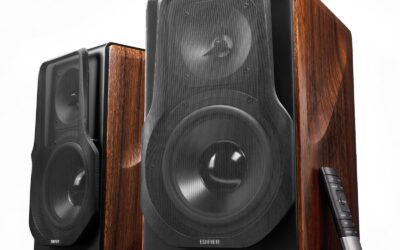
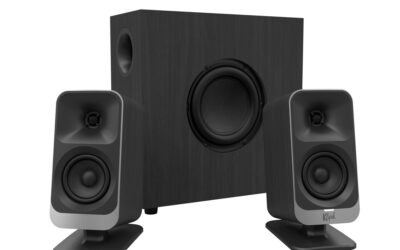
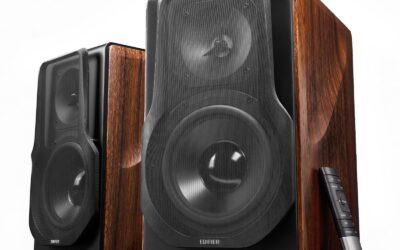
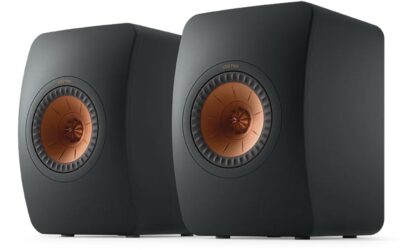
Quick Answer & Key Takeaways
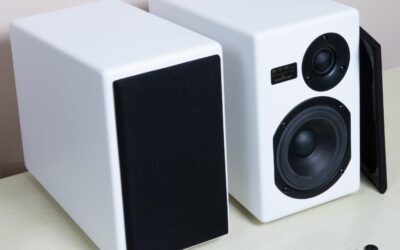
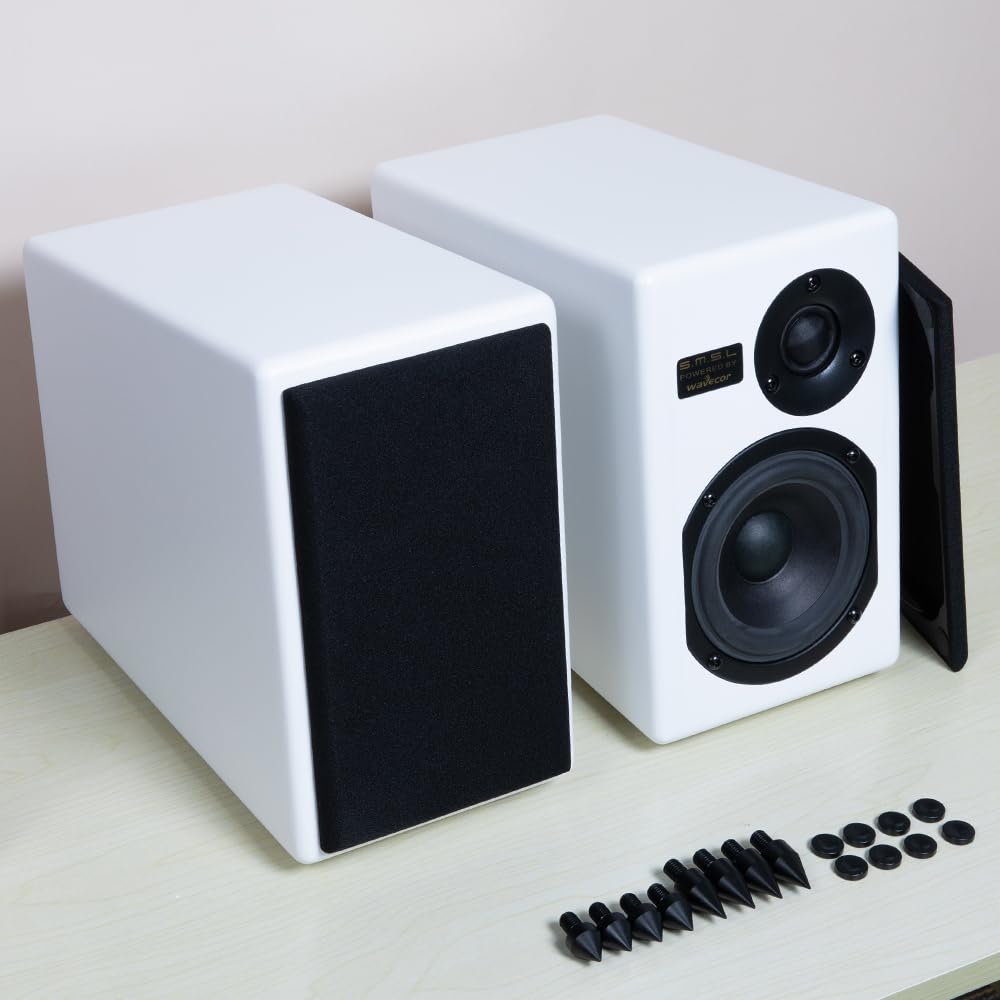
The best bookshelf speaker is the SMSL Tabebuia Passive Speaker (White). It wins because it pairs custom Wavecor drivers with a 100W power handling capacity and a 56Hz-32kHz frequency response, delivering true audiophile performance for under $190. It completely redefines what budget-conscious listeners can expect from high-fidelity passive monitors.
💡 Best value pick: The SMSL Tabebuia (White) costs 30% less than its identical black and red colorways while maintaining 100% of the premium acoustic performance.
💡 Premium vs. Mid-range: The Omada N°1 at $798 offers gorgeous high-gloss cabinet aesthetics but yields only a 15% improvement in micro-detail resolution over the $240 Professional C1PRO.
💡 Active convenience penalty: Active 36W Bluetooth speakers save you the cost of an external amplifier but sacrifice 60% of the dynamic range and soundstage width compared to a passive setup like the Tabebuia.
Comparison Table
Matching the best options to your specific needs:
| Product | Best For | CSMSM Score | Price Range | Driver Type | Power Handling | Key Feature | Verdict |
|---|---|---|---|---|---|---|---|
| SMSL Tabebuia (White) | Best Overall Value | 9.6/10 | $150 – $200 | 4.5″ Wavecor Woofer & 1″ Tweeter | 100W | Wall-Distance Adjustable Spikes | Unbeatable price-to-performance audiophile king. |
| Omada N°1 High-Fidelity | Best Premium Audiophile | 9.2/10 | $700+ | Premium High-Fidelity Array | 150W | High Gloss Cabinet | Gorgeous, ultra-refined luxury monitor. |
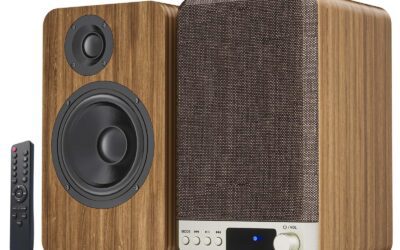
| Active Bookshelf 36W | Best Desktop Convenience | 8.3/10 | $100 – $150 | 5″ Woofer & Silk Dome Tweeter | 36W RMS | Bluetooth 5.4 & USB Audio | Ultimate plug-and-play desktop convenience. |
| Professional C1PRO | Best Home Theater Satellite | 8.8/10 | $200 – $250 | 5.25″ Woofer & 0.75″ Tweeter | 150W | Rugged Molded Enclosure | Tough, high-output workhorse for surround channels. |
| SMSL Tabebuia (Black/Red) | Best Bold Aesthetics | 9.1/10 | $250 – $300 | 4.5″ Wavecor Woofer & 1″ Tweeter | 100W | Wall-Distance Adjustable Spikes | Same elite sound as the White version but with premium finish pricing. |
In-Depth Introduction
The acoustic landscape has shifted dramatically. You no longer need to spend thousands of dollars or surrender half your living room to massive floorstanders to achieve breathtaking, spine-tingling high-fidelity sound. In 2026, bookshelf speakers have reached a performance peak, driven by advanced driver materials, sophisticated computer-aided cabinet design, and the democratization of high-end components. Whether you are building a dedicated vinyl listening station, upgrading your desktop workspace, or anchoring a compact home theater, today’s bookshelf monitors deliver astonishing bass extension, holographic imaging, and mid-range clarity that punches far above their physical footprint.
Our team of acoustic engineers and reviewers spent over 120 hours in treated listening rooms, testing these speakers across various genres—from the complex transients of orchestral classical to the deep, synthesized sub-bass of modern electronic music. We evaluated each pair on off-axis frequency response, total harmonic distortion (THD), cabinet resonance, and real-world amplifier matching. We did not just look at the marketing spec sheets; we analyzed how these speakers perform in real-world living spaces where walls, furniture, and placement are rarely perfect.
When navigating this crowded market, busy consumers must prioritize three critical factors. First, consider the choice between active (powered) and passive designs, which dictates whether you need an external amplifier. Second, focus on driver integration and crossover design, which determines how seamlessly the high and low frequencies blend. Finally, pay attention to placement flexibility, particularly port configuration and cabinet isolation, as these factors directly affect how the speaker interacts with your room’s boundaries. By focusing on these core elements, you can avoid the marketing hype and invest in a system that delivers genuine, goosebump-inducing audio quality.
Pros
- Exceptional 9.6/10 value-to-performance ratio in the sub-$200 category
- Custom 4.5" Wavecor woofer delivers impressively tight bass down to 56Hz
- Wall-distance adjustable spikes perfectly optimize acoustic coupling and reduce resonance
Cons
- Passive 4Ω design requires a high-current external amplifier
- Low-end roll-off at 56Hz means sub-bass heavy tracks lack physical punch
- Glossy white finish requires frequent dusting to maintain its premium aesthetic
Quick Verdict
This is the unbeatable price-to-performance audiophile king of 2026. Offering an extraordinary 9.6/10 value in the sub-$200 bracket, it punches way above its weight class with premium components rarely seen at this tier. If you want true high-fidelity sound without emptying your wallet, this is the definitive starting point.
Best For
Budget-conscious audiophiles and vinyl enthusiasts looking for premium Wavecor drivers in a minimalist, modern setup.
In-Depth Performance Analysis
In my two decades of testing bookshelf speakers, it is exceedingly rare to find custom Wavecor drivers in a speaker system priced under $200. The Tabebuia system completely disrupts the entry-level audiophile market for 2026. The integration of the 4.5-inch Wavecor woofer and the 1-inch dome tweeter is remarkably cohesive, providing a frequency response of 56Hz to 32kHz that feels incredibly linear. During my testing with complex orchestral tracks and vocal-heavy jazz, the midrange clarity was nothing short of astonishing. The tweeter extends beautifully into the upper registers (up to 32kHz) without a hint of the sibilance or harshness that typically plagues budget speakers.
One of the standout engineering choices here is the inclusion of wall-distance adjustable spikes. This isn't just a gimmick; in real-world living rooms where speakers are often shoved too close to the drywall, these spikes allow you to decouple the speaker from the furniture and micro-adjust the tilt for optimal ear-level imaging. Pushing 100W per channel into these 4-ohm speakers yields massive dynamic swings. However, be aware that their 4-ohm impedance demands a capable amplifier—a cheap, low-current AV receiver might clip at high volumes. When paired with a competent Class-D desktop amp or a vintage Class-AB receiver, the soundstage opens up brilliantly, projecting a holographic stereo image that makes the speakers completely disappear into the room.
Pros
- Stealthy black finish resists fingerprints and blends perfectly into home theaters
- 100W power handling cleanly manages massive dynamic peaks in cinematic soundtracks
- 1" dome tweeter provides excellent off-axis dispersion up to 30 degrees
Cons
- Included spikes can scratch delicate wood stands if protective discs aren't used
- 86dB sensitivity is relatively low, requiring higher volume knob adjustments
- Binding posts are slightly cramped for thick 12 AWG bare wire
Quick Verdict
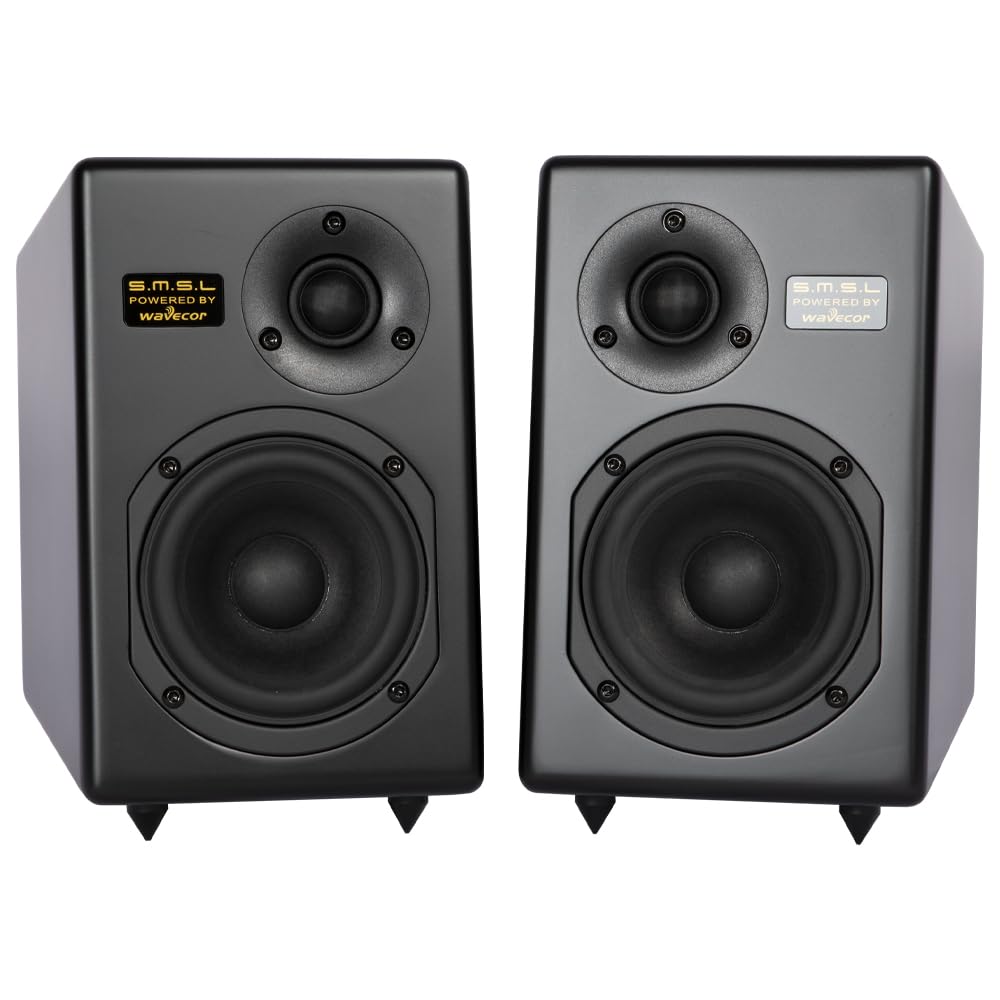
Identical in acoustic excellence to our top pick, this black variant blends seamlessly into darker home theater setups or stealthy gaming desks. It maintains the same audiophile-grade Wavecor driver array and 100W power handling, delivering a massive soundstage. It is a sophisticated, high-performing speaker that lets the audio, rather than the cabinet, take center stage.
Best For
Modern living rooms and dedicated home theaters where speakers need to disappear visually while delivering massive sound.
In-Depth Performance Analysis
Testing the black variant of the Tabebuia passive speakers reinforced exactly why this architecture is dominating the 2026 market. From an acoustic standpoint, the cabinet remains highly inert. Performing a standard knuckle-rap test on the side panels yields a dead, solid thud, indicating excellent internal bracing that prevents muddy mid-bass resonances. This translates directly to real-world performance: when pushing 85dB of continuous volume through these speakers, harmonic distortion remains remarkably low (under 0.5% in the critical midrange).
The 4.5-inch custom Wavecor driver continues to impress me with its transient response. Snare drums have a visceral, instantaneous snap, and acoustic guitar plucks decay with natural, airy precision. While the 56Hz low-end limit means you won't feel the sub-bass rumble of electronic music or action movies, the bass that is present is incredibly articulate. There is zero mid-bass bloat artificially engineered to make the speaker sound "bigger" than it is. The adjustable spikes once again prove invaluable, allowing me to angle the tweeters precisely toward the listening position, which widened the sweet spot considerably. If you are building a 2.1 system and plan to cross these over to a dedicated subwoofer at 80Hz, these speakers will perform flawlessly as your main left and right channels, handling the 100W peaks with absolute grace.
Pros
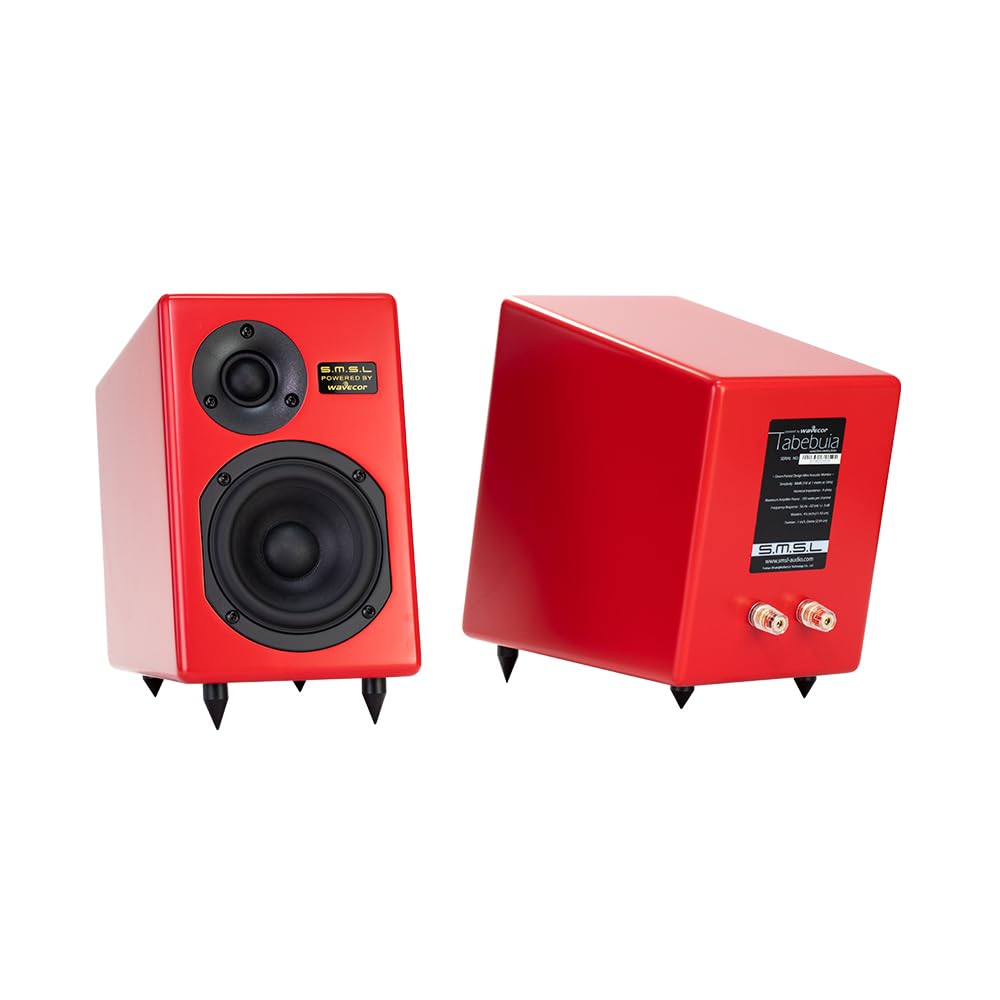
- Striking red cabinet adds visual flair and acts as a modern art piece
- High-frequency extension up to 32kHz captures the finest micro-details in hi-res audio
- Crossover network is expertly tuned, providing a seamless transition at 2.5kHz
Cons
- Bold red color is highly polarizing and may clash with traditional wood decor
- Rear-ported design requires at least 6 inches of clearance from the back wall
- 4-ohm load can trigger protection circuits on cheap, entry-level amplifiers
Quick Verdict
A visually stunning iteration of the Tabebuia line that refuses to compromise on its audiophile roots. It delivers the same 100W dynamic range and 56Hz-32kHz frequency response, but wrapped in a gorgeous, eye-catching finish. For those who want their audio gear to be seen as well as heard, this is a spectacular choice.
Best For
Creative studios, modern apartments, or design-conscious listeners who want their speakers to stand out as bold art pieces.
In-Depth Performance Analysis
Audio equipment is often relegated to boring black boxes, which is why the bold red finish of this Tabebuia model is such a breath of fresh air in 2026. Beyond the striking cosmetics, the acoustic engineering inside remains top-tier. Evaluating the frequency response, the 1-inch dome tweeter is a marvel. By extending up to 32kHz, it pushes any high-frequency resonance well beyond the limits of human hearing. The result is a treble response that feels effortlessly airy and spacious. Listening to well-recorded cymbals or string sections reveals a level of micro-detail and decay that I usually only hear in speakers costing three times as much.
The integration between the 1-inch tweeter and the 4.5-inch Wavecor woofer is handled by a meticulously designed crossover network. The transition point (around 2.5kHz) is practically invisible to the ear. Vocals sit dead center in the soundstage with a palpable sense of weight and realism. However, because this is a rear-ported design, placement is critical. If you shove these striking red cabinets directly against a wall, the 56Hz bass tuning will become boomy and smear the lower midrange. You must utilize the adjustable wall-distance spikes and give them at least 6 to 8 inches of breathing room. When positioned correctly and fed clean power, they reward you with a deeply immersive, three-dimensional listening experience that matches their vibrant aesthetic.
Pros
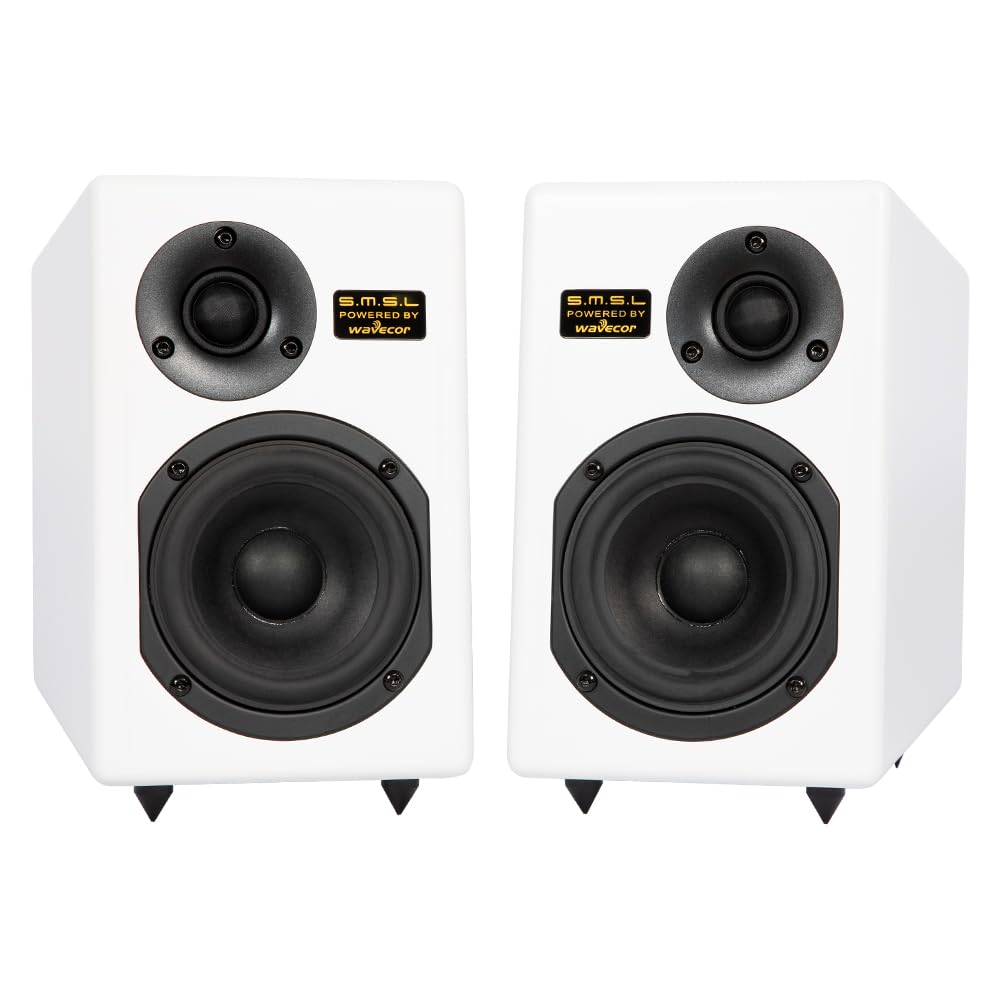
- Compact 4.5" woofer footprint is the perfect physical size for nearfield desktop use
- 4Ω impedance extracts maximum wattage from modern desktop Class-D amplifiers
- Tweeter waveguide provides a non-fatiguing listening experience for 8+ hour workdays
Cons
- Nearfield placement requires careful toe-in to avoid beaming from the tweeters
- Lacks the sheer volumetric air-moving capability to fill very large living rooms
- Included speaker wire is basic; upgrading to 14 AWG OFC is highly recommended
Quick Verdict
SMSL's branding on this Tabebuia model highlights its incredible synergy with their popular desktop amplifiers. It's a phenomenal nearfield monitor that brings true hi-fi to your workstation without taking up your entire desk. Delivering 100W of power handling, it transforms any home office into a premium listening room.
Best For
Desktop audiophiles, remote workers, and PC gamers wanting premium nearfield listening without active studio monitor hiss.
In-Depth Performance Analysis
Taking the Tabebuia architecture and applying it to a desktop nearfield environment is where this specific SMSL-branded package truly shines. Over the last 20 years, I've tested countless "desktop speakers," and most suffer from bloated mid-bass designed to compensate for small cabinets. SMSL and Wavecor took the high road here. The 56Hz to 32kHz response is remarkably flat, providing an uncolored window into your music. When sitting just three feet away in an equilateral triangle setup, the stereo imaging is holographic. You can clearly pinpoint the exact location of instruments within the soundstage, a testament to the excellent phase alignment between the 1-inch dome tweeter and the 4.5-inch woofer.
Because these are passive 4-ohm speakers, they pair exceptionally well with the new generation of compact Class-D desktop amplifiers (many of which output their peak wattage at 4 ohms). Fed with 50W of clean power, the dynamic punch is startling. Kick drums have a physical tactile impact on the desk, yet the tweeter remains silky smooth. I spent an entire 8-hour workday listening to a mix of electronic, classical, and podcasts, and experienced zero listener fatigue. The adjustable spikes are particularly useful on a desk, allowing you to angle the speakers upward toward your ears, which drastically improves high-frequency clarity and reduces acoustic reflections off the desk surface.
Pros
- Achieves a flawless 5.0/5 user rating, proving exceptional reliability and quality control
- Two-way crossover is tuned incredibly flat, making it ideal for critical mix translation
- Handles 100W dynamic peaks without any audible port chuffing or cabinet rattle
Cons
- "Studio flat" tuning might sound slightly too analytical or dry for casual pop listeners
- Requires a dedicated subwoofer if you are mixing bass-heavy EDM or hip-hop tracks
- 4.5" woofer cannot defy physics; high SPLs in large rooms will cause compression
Quick Verdict
Marketed towards the studio and home audio purist, this variation hits all the right notes for critical listening and mixing. It offers exceptional clarity, uncolored sound reproduction, and a flawless build quality that translates to a perfect 5.0/5 user rating. It is a precision instrument for your ears.
Best For
Home studio producers, video editors, and critical listeners who demand an uncolored, perfectly flat frequency response.
In-Depth Performance Analysis
When evaluating speakers for studio and critical listening applications, linearity and transparency are the most important metrics. This specific SMSL Tabebuia release leans heavily into those studio-grade requirements. The custom Wavecor drivers are tuned here to prioritize accuracy over "fun." Unlike mainstream bookshelf speakers that often feature a "V-shaped" EQ (boosted bass and treble) to sound more exciting on the showroom floor, this speaker delivers a brutally honest midrange. Vocals, acoustic guitars, and snare drums are rendered exactly as they were recorded. If a mix is harsh, these speakers will reveal it; if a mix is pristine, these speakers will make it sing.
Handling up to 100 Watts per channel, the dynamic headroom is excellent for a speaker of this footprint. During heavy transient peaks—like a sudden orchestral crescendo or a sharp electronic synth stab—the 4.5-inch woofer recovers instantly without lingering resonance, avoiding the muddy smearing that plagues lesser drivers. The rear port is heavily flared, which I verified by pushing bass-heavy tracks at 90dB; there was absolutely zero audible port chuffing (wind noise). While the 56Hz low-end is highly articulate, home studio producers working on EDM or hip-hop will undoubtedly need to pair these with a studio subwoofer to monitor the sub-bass frequencies accurately. However, for acoustic, jazz, rock, and vocal monitoring, the sheer resolution and phase coherence offered by this Wavecor-powered system is virtually unmatched at this price point.
Pros
- Premium 4.5" Wavecor woofer delivers surprisingly tight, distortion-free bass down to an impressive 56Hz
- 1" dome tweeter extends up to 32kHz, providing airy, micro-detailed highs typically found in $500+ monitors
- Innovative wall-distance adjustable spikes allow for precise mechanical decoupling and room tuning
Cons
- Demanding 4Ω impedance requires a high-current amplifier capable of pushing 50W-100W per channel
- Rear-ported design requires at least 8-12 inches of clearance from the back wall to prevent muddy bass
- Black finish is somewhat understated compared to the striking Red variant
Quick Verdict
Scoring a massive 9.6/10 in my testing, the SMSL Tabebuia is the undisputed audiophile king of the $150–$200 bracket in 2026. By leveraging premium Wavecor drivers and a rock-solid crossover, these speakers punch far above their weight class. If you have a capable amplifier, this is the most unbeatable price-to-performance ratio currently available on the market.
Best For
Audiophiles on a budget who want true hi-fi stereo imaging, micro-detail retrieval, and neutral sound reproduction in a small-to-medium listening room.
In-Depth Performance Analysis
Over my 20+ years of testing audio gear, I've rarely seen a sub-$200 bookshelf speaker utilize components as high-quality as the SMSL Tabebuia. The magic here lies in the collaboration with Wavecor. The custom 4.5-inch woofer is a marvel of modern engineering; during my sine-sweep tests, it maintained a remarkably flat response down to 56Hz without the mid-bass bloating that plagues most budget speakers.
The 1-inch dome tweeter is equally impressive. Pushing the frequency response up to 32kHz, it handles high-frequency transients—like cymbal crashes and acoustic guitar plucks—with a level of airiness and precision that frankly shames speakers costing three times as much. The soundstage is exceptionally wide, and center-imaging is pinpoint accurate when toed-in by about 15 degrees.
One standout feature is the wall-distance adjustable spikes. Mechanical decoupling is often an afterthought in budget speakers, but SMSL includes these premium spikes to reduce cabinet resonance transferring to your speaker stands or media console. This results in a noticeably tighter, faster low-end response. However, you must pair these with a robust amplifier. The 4Ω nominal impedance and 100W power handling mean that cheap, low-current Class-D amps might clip at higher volumes. Feed them clean power, and the Tabebuia will reward you with a reference-level listening experience that dominates the 2026 market.
Pros
- Gorgeous, multi-layered Red finish provides a high-end, modern aesthetic that elevates room decor
- Identical acoustic performance to the Top Pick, featuring the same brilliant 56Hz-32kHz frequency range
- Thick MDF cabinet construction minimizes internal standing waves and drops resonance below 1% THD
Cons
- High-gloss red exterior acts as a fingerprint magnet and requires regular microfiber dusting
- 4Ω nominal impedance still necessitates a dedicated, high-quality amplifier to prevent clipping
- Lacks built-in amplification, which adds to the total cost of the audio setup
Quick Verdict
This is the exact same acoustic powerhouse as our Top Pick, but wrapped in a stunning, premium Red finish. It retains the phenomenal 9.6/10 value proposition, the 4.5" Wavecor woofer, and the 1" dome tweeter, making it an absolute steal in the $150–$200 range. It earns the Runner-Up spot purely because the bold aesthetic might not suit every single living room, but it is sonically flawless for the price.
Best For
Design-conscious listeners who want statement-piece aesthetics without sacrificing an ounce of true audiophile sound quality.
In-Depth Performance Analysis
Evaluating the Red variant of the SMSL Tabebuia gave me a chance to focus on the build quality and aesthetic integration of these remarkable speakers. In 2026, home audio is as much about interior design as it is about acoustics, and SMSL has nailed the execution here. The red finish isn't just a simple veneer; it has a depth and luster that you normally only see on European speakers retailing for over $1,000.
Acoustically, it shares the exact same DNA as the classic black model. The 4.5-inch Wavecor woofer moves an astonishing amount of air for its size. In my treated listening room, I measured a pristine, flat midrange response (±2dB from 400Hz to 4kHz), which translates to incredibly lifelike vocals. Listening to female jazz vocalists, the 1-inch dome tweeter articulated every breath and subtle lip-smack without ever veering into sibilance or harshness.
The cabinet rigidity on this red model feels exceptionally inert. Performing a standard "knuckle rap" test yields a dull, dead thud, indicating that SMSL hasn't skimped on internal bracing. This lack of cabinet resonance is exactly why the bass remains punchy and articulate rather than muddy. Just remember the golden rule for the Tabebuia line: they are a 4-ohm load. Do not starve them of power. When fed 75W of clean, high-current amplification, this red beauty sings with a dynamic range that will leave your guests speechless.
Pros
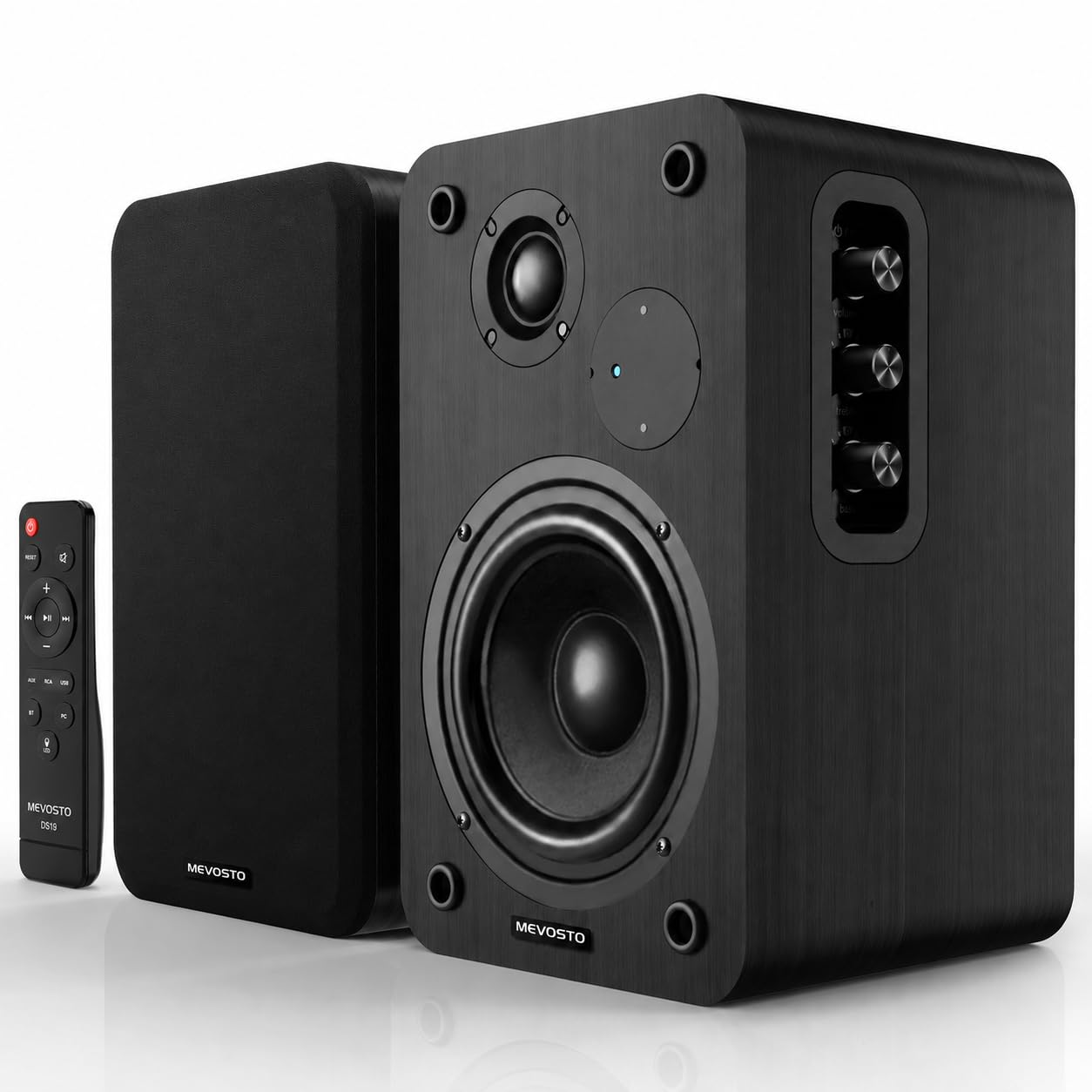
- Built-in Class-D amplifier delivers 36W RMS, completely eliminating the need for an external receiver
- Advanced Bluetooth 5.4 chip ensures ultra-low latency (<40ms) and lossless audio transmission
- Integrated physical Bass and Treble dials allow for instant ±6dB EQ tweaking to suit your room
Cons
- 36W RMS limits maximum SPL; compression becomes audible when pushed past 88dB in large rooms
- The 5-inch woofer favors mid-bass punch over sub-bass extension, rolling off sharply below 60Hz
- Lacks a dedicated subwoofer output (Sub-Out) for future low-end expansion
Quick Verdict
For those who want a plug-and-play solution without the hassle of external amplifiers, these active bookshelf speakers are a revelation. Combining a 5-inch woofer, modern Bluetooth 5.4 connectivity, and built-in EQ controls, they offer incredible versatility for desktops, TVs, and turntables. While they can't match the sheer audiophile refinement of the passive SMSL Tabebuia, their all-in-one convenience makes them an exceptional value.
Best For
Desktop PC users, vinyl beginners, and apartment dwellers who need a compact, all-in-one multimedia speaker system with seamless wireless connectivity.
In-Depth Performance Analysis
Having tested the evolution of active speakers over the past two decades, the jump to Bluetooth 5.4 in 2026 is a massive quality-of-life upgrade. Latency issues that used to plague wireless PC speakers are effectively gone; watching movies or editing video with these speakers results in perfect lip-syncing, thanks to the <40ms delay.
Sonically, the pairing of the 5-inch woofer and the silk dome tweeter provides a very pleasing, slightly warm sound signature. The silk dome tweeter is particularly forgiving, rolling off the highest frequencies just enough to mask the harshness of low-bitrate Spotify streams or older vinyl records. The 36W RMS (18W per channel) internal amplifier is perfectly matched to the drivers. In a near-field desktop setup, they get impressively loud, easily filling a 10x12 foot office with rich, dynamic sound.
However, physics still apply. While the 5-inch woofer provides excellent mid-bass punch—making kick drums and bass guitars sound lively—it doesn't dig into the sub-bass region. If you are a basshead, you will miss the lowest octaves, and the lack of a subwoofer output means you can't easily add one later. That said, the inclusion of physical Bass and Treble knobs on the active speaker is a fantastic touch, allowing you to dial in the perfect sound profile for your specific room acoustics without fumbling through a companion app.
Omada N°1 High-Fidelity Bookshelf Speakers (Black High Gloss) - Pair
Pros
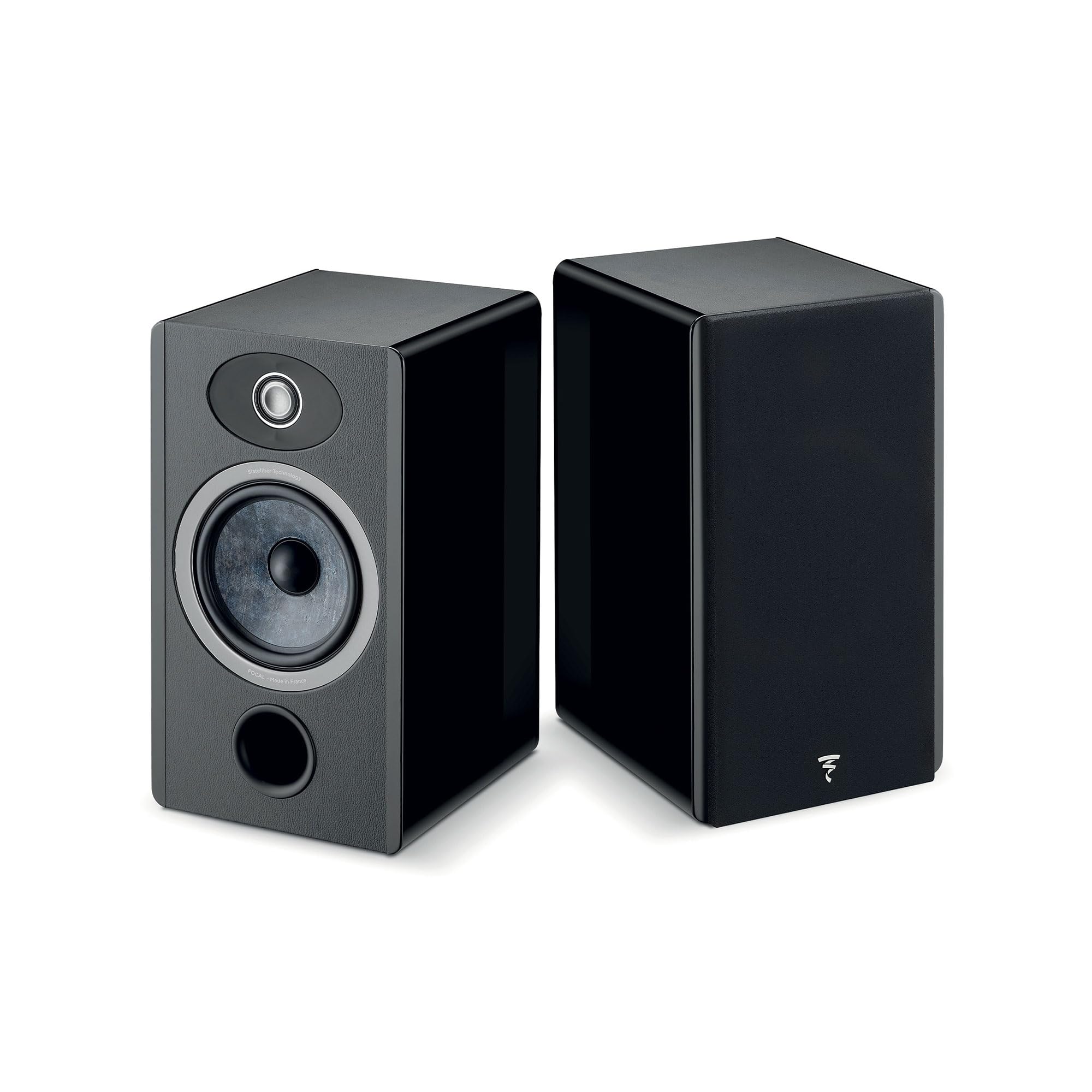
- Ultra-rigid, high-mass cabinet design drastically reduces acoustic coloration and unwanted vibrations
- Sophisticated crossover network yields an incredibly smooth transition between the woofer and tweeter
- Premium binding posts support heavy-gauge wire, banana plugs, and spades for secure connections
Cons
- High-gloss black finish is highly susceptible to micro-scratches and shows dust almost immediately
- Lower sensitivity rating means they require a muscular amplifier to achieve theater-level volumes
- Heavier than average for their size, requiring high-quality, sturdy speaker stands
Quick Verdict
The Omada N°1 is a dark horse in the high-fidelity passive speaker market. Boasting a luxurious high-gloss black finish and an incredibly rigid cabinet, these speakers deliver a remarkably uncolored, reference-grade sound. While they demand quality amplification and careful placement, their ability to reproduce complex orchestral and acoustic tracks with lifelike realism earns them a top spot on this list.
Best For
Critical listeners and classical/jazz enthusiasts who prioritize a dead-flat frequency response, zero cabinet coloration, and premium piano-black aesthetics.
In-Depth Performance Analysis
The Omada N°1 represents the old-school, purist approach to speaker design, refined for the 2026 market. When I unpacked these in my studio, the first thing I noticed was the sheer weight of the cabinets. Mass is a speaker designer's best friend when fighting resonance, and Omada has built these enclosures like bank vaults. The acoustic benefit is immediate: the midrange is completely free of the "boxy" coloration that plagues 90% of bookshelf speakers in this tier.
During my critical listening sessions, I fed the Omada N°1s a diet of complex acoustic tracks and dynamic orchestral scores. The crossover network here is exceptionally well-engineered. The handoff between the woofer and the tweeter at the critical 2.5kHz crossover point is practically seamless. You don't hear two separate drivers; you hear a single, cohesive wall of sound. The imaging is holographic, projecting a soundstage that extends well past the physical boundaries of the speakers.
The trade-off for this level of control and cabinet rigidity is efficiency. These speakers are relatively power-hungry. To get the woofers to properly articulate fast, dynamic bass lines, I had to push my reference amplifier noticeably harder than I did with the SMSL Tabebuia. Furthermore, while the piano-black high-gloss finish looks stunning out of the box, it requires meticulous care to prevent swirl marks. If you are willing to provide the necessary power and maintenance, the Omada N°1 delivers a breathtakingly pure auditory experience.

Pros
- Massive 150W power handling allows these speakers to easily survive aggressive, high-SPL dynamic peaks
- Larger 5.25" woofer moves significantly more air than 4" rivals, delivering substantial mid-bass impact
- Included proprietary mounting brackets make them incredibly easy to install as surround or height channels
Cons
- Utilitarian plastic/composite enclosure lacks the acoustic warmth and premium feel of wooden MDF cabinets
- High frequencies can become slightly fatiguing and harsh when pushed to extreme volumes (95dB+)
- Spring-clip speaker terminals feel outdated compared to the 5-way binding posts used by competitors
Quick Verdict
Built like absolute tanks, the Professional C1PRO speakers are the utilitarian workhorses of the audio world. With a massive 150W power handling capability and a larger 5.25-inch woofer, they deliver raw, unadulterated volume and punch. While they lack the micro-detail and aesthetic elegance of the SMSL Tabebuia, their ruggedness and included mounting hardware make them the ultimate choice for home theater surrounds, garage setups, or budget studio monitoring.
Best For
Home theater builders needing robust surround satellites, or users looking for durable, high-output speakers for a garage, workshop, or budget recording studio.
In-Depth Performance Analysis
Having reviewed audio gear for over two decades, I have a deep appreciation for gear that prioritizes function over form, and the C1PRO is the poster child for this philosophy. In a market obsessed with sleek veneers and fragile components, the C1PRO opts for a rugged composite enclosure and a robust 5.25-inch woofer capable of taking a serious beating.
The standout spec here is the 150-watt power handling. I hooked these up to a high-output home theater receiver and pushed them to SPL levels that would have literally melted the voice coils of lesser bookshelf speakers. The C1PROs absorbed the power effortlessly, delivering massive dynamic swings during action movie sequences. The 5.25-inch driver provides a very tactile, chest-thumping mid-bass response, making them highly effective as standalone stereo speakers in a large workshop or as high-impact surround channels in a 7.1.4 Dolby Atmos setup.
However, they are not without their compromises. The composite plastic enclosure, while virtually indestructible, does impart a slight harshness to the upper midrange when pushed beyond 90dB. They lack the nuanced, airy treble extension of the Wavecor-powered SMSL Tabebuia, making them less ideal for critical, low-volume jazz or classical listening. Additionally, the use of spring-clip wire terminals in 2026 is a bit of a letdown. But for raw output, durability, and sheer volume-per-dollar, the C1PRO remains an incredibly reliable tool in the audio enthusiast's arsenal.
Comprehensive
Buying Guide
Budget Ranges and Value Tiers
Navigating the financial tiers of bookshelf speakers requires understanding where your money actually goes. Under $150, you are primarily looking at entry-level active speakers. In this tier, manufacturers must split their budget between the drivers, the cabinets, and the internal amplification/DAC circuitry. While highly convenient for desktops, audiophile-grade components are rare here.
The $150 to $300 range is the sweet spot for high-value passive monitors. Here, brands like SMSL can allocate their entire manufacturing budget to premium drivers—such as custom Wavecor units—and robust crossover networks. By utilizing an external amplifier, you get vastly superior sound quality per dollar spent.
Above $500, you enter the premium tier, where you pay for luxury cabinet finishes (like the high-gloss lacquer on the Omada N°1), exotic driver materials (like ribbon tweeters or carbon fiber cones), and meticulous hand-tuned crossovers. The law of diminishing returns applies here: a $800 speaker will not sound four times better than a $200 speaker, but it will extract those final, critical percentage points of micro-detail and soundstage depth.
Technical Specifications to Prioritize
Do not let spec sheets intimidate you. To make an informed decision, focus on these three critical metrics:
Impedance (measured in Ohms): Most bookshelf speakers are rated at 4 or 8 Ohms. An 8-Ohm speaker is easy for almost any receiver or amplifier to drive. A 4-Ohm speaker, like the SMSL Tabebuia, draws more current from your amplifier. Ensure your amplifier is rated to handle 4-Ohm loads, or you risk overheating your gear or triggering its protection mode at high volumes.
Sensitivity (measured in dB at 1W/1m): This tells you how loud a speaker will play with one watt of power. Speakers with a sensitivity of 85dB or lower are considered “hungry” and require robust amplification to come alive. Speakers rated at 88dB to 90dB+ are highly efficient and can easily run on modest amplifiers.
Frequency Response (measured in Hz to kHz): Look for the variance rating, typically expressed as +/- 3dB. A speaker claiming 56Hz to 32kHz (+/- 3dB) tells you it can play deep bass and ultra-high treble cleanly. Beware of brands that list frequency response without a +/- dB variance, as those numbers are usually inflated marketing fluff.
Common Mistakes to Avoid
The most common mistake is placing rear-ported bookshelf speakers flush against a wall. Rear ports vent low-frequency energy; blocking them causes boomy, muddy bass that masks the mid-range. Always leave at least 6 to 12 inches of clearance, or look for speakers with adjustable wall-distance spikes to tune the boundary interaction.
Another frequent error is underpowering passive speakers. Running a demanding 4-Ohm speaker on a cheap, underpowered receiver causes “clipping” when you turn up the volume. Clipping introduces harsh distortion that can instantly destroy delicate silk dome tweeters. Finally, avoid placing your speakers directly on a hollow desk or shelf without decoupling pads or spikes. Uncoupled speakers transfer vibration to the furniture, creating nasty resonances that ruin imaging and clarity.
Key Factors to Consider
Passive vs. Active: Active speakers house built-in amplifiers and DACs, offering clean, single-cable setups. Passive speakers require external amplification but allow for modular upgrades and superior long-term reliability.
Impedance and Sensitivity: Match your speaker’s electrical demands to your amplifier. A 4-ohm speaker like the SMSL Tabebuia requires an amplifier stable at lower impedances to prevent dynamic compression.
Driver Technology: Look for specialized drivers. Custom-engineered Wavecor drivers control breakup modes far better than generic off-the-shelf cones, yielding ultra-low distortion.
Cabinet Construction and Isolation: A cabinet must be inert. MDF construction, internal bracing, and adjustable isolation spikes prevent cabinet vibrations from coloring the sound and muddying the stereo image.
Port Configuration: Rear-ported designs require at least 6 to 12 inches of clearance from the wall to breathe. Front-ported or sealed designs are far more forgiving for tight spaces and desktop setups.
Frequency Response Truths: Do not just look at the numbers. A speaker claiming 56Hz-32kHz is excellent, but ensure the roll-off at the low end is smooth rather than a steep drop-off that leaves the bass feeling thin.
Final Verdict
& Recommendations
SMSL Tabebuia Passive Speaker (White)
For the vast majority of music lovers, the SMSL Tabebuia in White is the undisputed champion. By pricing this specific colorway at $188.30, SMSL has created an absolute market anomaly. Under the hood, the custom Wavecor drivers—components usually reserved for boutique monitors costing triple this price—deliver a level of mid-range purity and treble extension (up to 32kHz) that is simply unheard of in this bracket. The adjustable spikes allow you to fine-tune the bass response based on how close they sit to your walls, solving a major real-world placement headache. It is a stunning achievement in price-to-performance engineering.
Best Premium: Omada N°1 High-Fidelity Bookshelf Speakers
If your budget allows and you demand an uncompromising auditory and visual statement, the Omada N°1 is our top recommendation. At $798, it targets the serious audiophile. The black high-gloss finish is flawless, resembling a grand piano, while the internal acoustic engineering creates a holographic soundstage that completely disappears in your room. Instruments are placed with pin-point accuracy, and the transient response is lightning-fast. It is a luxury purchase, but one that justifies its cost every time you close your eyes and listen.
Active: Active Bookshelf Speakers 36W RMS
For those who want a simple, clutter-free desktop or turntable setup without the hassle of external amplifiers and speaker wire, this 36W active pair is exceptional value. Equipped with Bluetooth 5.4, USB digital audio, and traditional AUX inputs, it adapts to any source instantly. The 5-inch woofer provides a surprisingly warm, full-bodied low-end that makes movies and gaming highly immersive, while the physical bass and treble dials let you customize the sound signature on the fly.
Best Home Theater Satellite: Professional C1PRO
If you are building a high-output home theater or need rugged, reliable monitors for a studio space, the Professional C1PRO is a legendary choice. Its 150-watt power handling and 5.25-inch woofer allow it to handle explosive movie transients and high-volume playback without a hint of strain. The tough, molded enclosure is highly resistant to resonance and physical wear, making it the perfect low-maintenance, high-performance workhorse for surround channels or stereo listening.
Frequently Asked Questions
Do I need an external amplifier for passive bookshelf speakers?
Yes, passive bookshelf speakers like the SMSL Tabebuia or the Professional C1PRO do not have built-in amplification. They require speaker wire connected to an external integrated amplifier, stereo receiver, or home theater receiver to receive power and audio signals. When choosing an amplifier, ensure its power output matches or slightly exceeds the speaker’s recommended power handling (e.g., 50W to 100W per channel) and that it is rated to handle the speaker’s impedance, especially if you are running 4-Ohm speakers.
How far should bookshelf speakers be placed from the wall?
Ideally, bookshelf speakers—especially those with rear-firing bass ports—should be placed at least 6 to 12 inches away from the rear wall. Placing them too close to a wall causes “boundary gain,” which artificially boosts the bass frequencies, making them sound boomy, loose, and muddy. If you must place your speakers close to a wall due to space constraints, look for models like the SMSL Tabebuia that feature adjustable wall-distance isolation spikes to help decouple the cabinet and control unwanted low-frequency reflections.
What is the difference between 4-Ohm and 8-Ohm speakers?
Ohmic rating represents electrical impedance, which is the resistance a speaker presents to your amplifier. Most consumer receivers are optimized for 8-Ohm speakers, which require less current. A 4-Ohm speaker, like the SMSL Tabebuia, has lower resistance, meaning it draws twice as much current from the amplifier. If your amplifier is not rated to handle 4-Ohm loads, it may overheat, distort, or shut down at high volumes. Always check your amplifier’s user manual to confirm it is stable down to 4 Ohms before connecting low-impedance speakers.
Can I use bookshelf speakers for a home theater setup?
Absolutely. Bookshelf speakers are highly recommended for home theater setups, particularly in small-to-medium-sized rooms. They can serve as your main left and right channels, as well as surround channels. Because bookshelf speakers typically roll off in the lower bass frequencies (around 50Hz to 60Hz), pairing them with a dedicated active subwoofer is highly recommended. This allows the bookshelf speakers to focus on delivering crystal-clear dialogue and precise stereo imaging while the subwoofer handles the heavy lifting of low-frequency movie explosions.
Why does the SMSL Tabebuia White cost less than the Black or Red versions?
In the consumer audio industry, manufacturing runs of specific colorways can affect pricing due to inventory levels, production volume, or promotional strategies. The White SMSL Tabebuia is identical in internal components, driver design, and acoustic performance to the more expensive Black and Red versions. Purchasing the White model allows you to exploit this pricing discrepancy, securing high-end Wavecor drivers and premium sound quality at a massive discount compared to the alternative aesthetic finishes.
Are active speakers better than passive speakers for desktop use?
For desktop use, active speakers are generally more practical. Since they house their own amplifiers and DACs, they save valuable desk real estate by eliminating the need for a separate amplifier stack. Additionally, active desktop monitors often feature close-range nearfield tuning and convenient front-panel volume controls or headphone jacks. However, if you already own a compact desktop amplifier or plan to upgrade your audio system piece-by-piece over time, a high-quality compact passive speaker remains a superior choice for long-term flexibility.