

The Truth Revealed: Are Elura Speakers Good for Your Home Setup?
If you are currently building a home theater or whole-house audio system, you have likely asked your AV installer: are Elura speakers good? The direct answer is a resounding yes. Elura speakers are premium, dealer-exclusive architectural audio products designed specifically for custom integrations. Because they are not sold in big-box retail stores, they lack mainstream brand recognition, but they consistently rival—and often outperform—consumer favorites like Klipsch, Polk Audio, and Sonos in both acoustic clarity and build quality.
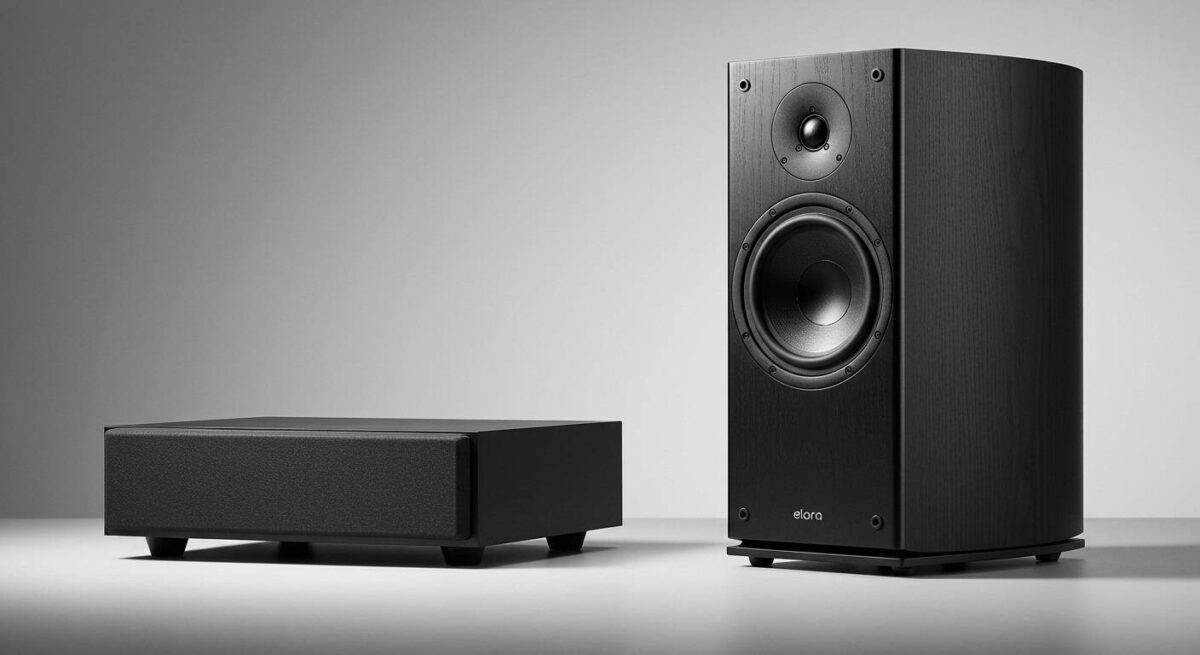
When I first transitioned from commercial retail audio to custom home integration, I was highly skeptical of “installer-only” brands. However, after installing hundreds of in-wall, in-ceiling, and outdoor landscape audio systems, my perspective shifted. Elura focuses its budget entirely on premium components like Kevlar woofers and silk dome tweeters, rather than expensive consumer marketing campaigns.
If you are debating whether to approve an installer’s quote featuring this brand, this step-by-step guide will explain exactly what you are getting. We will break down how to evaluate, select, and optimize these speakers for your specific listening environment.
TL;DR: Key Takeaways on Elura Speakers
- Dealer-Exclusive Quality: You will not find Elura at Best Buy; they are engineered strictly for professional custom integrators.
- High-End Components: They utilize premium materials like woven carbon fiber, Kevlar, and aluminum domes for superior sound reproduction.
- Architectural Focus: They excel in “invisible” audio solutions, offering zero-bezel magnetic grilles that blend flawlessly into drywall.
- Exceptional Value: Without massive marketing overhead, Elura delivers audiophile-grade sound at a mid-tier price point.
- Lifetime Warranty: Most Elura architectural speakers carry a limited lifetime warranty, showcasing immense confidence in their build quality.
Step 1: Understand Why Are Elura Speakers Good for Custom Integration
To properly evaluate if are Elura speakers good for your specific project, you first need to understand the “Custom Integration” (CI) market. Mainstream consumer speakers are built to look flashy on retail shelves. CI speakers, however, are built to disappear into your home’s architecture while filling the room with flawless sound.
Elura was developed precisely to solve common frustrations faced by professional AV installers. Installers needed speakers that were easy to mount, sonically consistent, and highly durable.
By eliminating the middleman and focusing entirely on the CI channel, the manufacturer can dedicate a much larger percentage of the speaker’s cost to raw materials. This is why a $400 Elura in-wall speaker frequently features the exact same driver materials found in a $1,000 freestanding tower speaker from a legacy brand.
The Material Advantage
When assessing audio quality, driver materials dictate performance. Elura does not use cheap paper cones or harsh plastic tweeters.
Depending on the specific line you choose, you will find glass fiber or Kevlar woofers. These materials are incredibly rigid but exceptionally lightweight. This allows the speaker to move air rapidly for tight, punchy bass without distorting at high volumes.
Additionally, their tweeters typically pivot. This allows an installer to flush-mount the speaker in the ceiling, but manually aim the high-frequency sound directly at your seating position.
Step 2: Choose the Right Elura Speaker Line for Your Needs
Not all audio zones in your home require the same level of performance. To decide if are Elura speakers good for your specific budget, you must evaluate their distinct product tiers. Elura organizes its speakers into color-coded labels, making it incredibly easy to step up performance based on your room’s requirements.
Comparing the Elura Speaker Tiers
| Elura Series | Best Used For | Woofer Material | Tweeter Material | Price/Performance Tier |
|---|---|---|---|---|
| Blue Label | Background music, hallways, secondary bedrooms | Polypropylene | Soft Dome | Entry-Level / Budget |
| Red Label | Living rooms, multi-room audio, casual media rooms | Woven Glass Fiber | Silk Dome | Mid-Range / High Value |
| Black Label | Dedicated home theaters, critical two-channel listening | Kevlar / Carbon Fiber | Aluminum / Titanium | Premium / Audiophile |
| Outdoor Series | Patios, pool areas, landscape perimeters | Weather-treated Poly | PEI Dome | Extreme Durability |
Blue Label: The Entry Level
The Elura Blue Label series is designed for distributed, whole-house audio. If you want ambient music in your kitchen, dining room, or bathrooms, this is the most cost-effective tier. They offer smooth, non-fatiguing sound that sounds great at low to medium volumes.
Red Label: The Sweet Spot
For most homeowners, the Elura Red Label represents the best overall value. The transition to woven glass fiber woofers provides significantly more midrange clarity and bass extension. I frequently use Red Label in-ceiling speakers as Dolby Atmos overhead channels in premium living room setups.
Black Label: The Home Theater Powerhouse
If you are building a dedicated, reference-grade cinema room, the Elura Black Label is mandatory. These utilize extremely stiff Kevlar cones that can handle massive amounts of amplifier power. They deliver cinematic dynamics, handling explosive movie soundtracks and delicate orchestral scores with equal precision.
Step 3: Match Your Elura Speakers with the Correct Amplification
Even the highest quality speakers will sound terrible if they are starved for power. A common mistake homeowners make is assuming that because Elura speakers are “architectural,” they do not need a strong amplifier.
Most Elura models feature an 8-ohm nominal impedance, which makes them highly compatible with almost any modern amplifier or AV receiver. However, their sensitivity ratings typically hover around 88dB to 90dB.
This means they are moderately efficient, but they truly wake up and deliver dynamic punch when fed high-current power.
Choosing the Right Amplifier
If you are powering distributed audio (like the Blue or Red Label), the Sonos Amp is an industry standard. It delivers 125 watts per channel, which is more than enough headroom to make Elura speakers sing effortlessly without distortion.
For a dedicated home theater using Black Label in-wall speakers, you should look toward premium AV receivers. Brands like Denon, Marantz, or Anthem offer the high-current amplification necessary to drive Elura’s stiff Kevlar woofers to reference volumes.
Always check the recommended wattage on the specific Elura model you purchase. A good rule of thumb is to provide an amplifier that can deliver at least 75% of the speaker’s maximum RMS wattage rating.
Step 4: Step-by-Step Installation Best Practices
Because Elura is a custom integration brand, how they are installed dramatically impacts their sound quality. If you are a DIY enthusiast taking on this project, or if you want to verify your installer’s methods, follow these specific acoustic best practices.
Optimize Your Speaker Placement
Placement dictates the entire soundstage. For in-ceiling distributed audio, avoid placing speakers too close to corners, which causes muddy, exaggerated bass (“boundary gain”). Keep them at least 2 to 3 feet away from adjacent walls.
For a home theater, your front three speakers (Left, Center, Right) should be installed at ear level when seated. If you are using Elura in-wall speakers around a television, ensure the tweeters are as close to seated ear-height as structurally possible.
Utilize Backboxes or Acoustic Enclosures
Drywall bays act as massive, uncontrolled speaker cabinets. When an in-wall speaker plays, the sound radiating backward can bleed into adjacent rooms and cause the drywall to rattle, muddying the sound.
To maximize the performance of your Elura speakers, install acoustic backboxes or retro-fit enclosures behind them. If backboxes are not an option, pack the wall cavity with acoustic fiberglass insulation (like Roxul Safe’n’Sound). This tightens the bass response and improves midrange clarity immensely.
Aim the Pivoting Tweeters
Many Elura in-ceiling models feature independently pivoting tweeters. Do not leave them pointing straight down unless the speaker is directly above your head.
Once the speaker is securely dog-legged into the drywall, gently push the edge of the tweeter housing to aim it directly at the primary listening position. High frequencies are highly directional; this simple 10-second step drastically improves vocal clarity and stereo imaging.
Wire with the Correct Gauge
Do not bottleneck premium audio









