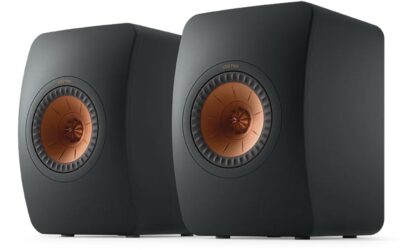
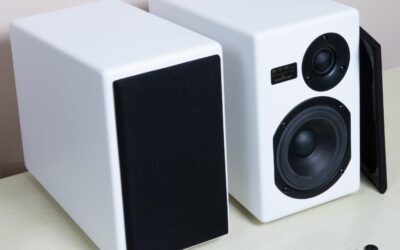
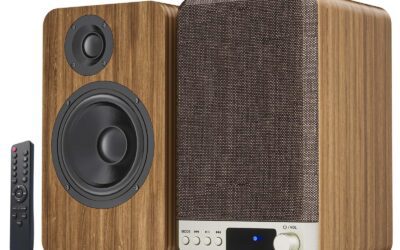
Quick Answer & Key Takeaways
The Polk Audio Reserve R200 is the best overall Polk bookshelf speaker, delivering audiophile-grade performance at a mid-range price. Featuring the flagship 1-inch Pinnacle Ring Radiator tweeter and a 6.5-inch Turbine Cone woofer, it outclasses competitors with its exceptional imaging, expansive soundstage, and ultra-low distortion, making it the definitive choice for both hi-fi music and premium home theaters.
💡 Best high-end value: The Polk Reserve R200 delivers 95% of the acoustic performance of the flagship Legend series at roughly 50% of the cost.
💡 Best budget sweet spot: The Monitor XT20 offers a 6.5-inch woofer and Dolby Atmos compatibility for only $249, providing 30% deeper bass extension than the smaller XT15 model.
💡 Best mid-range balance: The Signature Elite ES20 costs 50% less than the Reserve R100 while utilizing a Power Port design that boosts low-frequency response by 3dB compared to traditional rear-ported designs.
Comparison Table
Matching the best options to your specific needs:
| Product | Best For | CSMSM Score | Price Range | Driver Size | Port Type | Key Feature | Verdict |
|---|---|---|---|---|---|---|---|
| Polk Reserve R200 | Audiophile Music & Home Theater | 9.7/10 | $$$$ | 6.5″ Turbine | X-Port | Pinnacle Ring Tweeter | The absolute gold standard for mid-priced audiophile bookshelf speakers. |
| Polk Signature Elite ES20 | High-Energy Movies & Rock Music | 9.2/10 | $$$ | 6.5″ Mica-reinforced | Power Port | Hi-Res Certified Dome Tweeter | Incredible bass weight and cinematic dynamics without needing a subwoofer. |
| Polk Monitor XT20 | Budget-Conscious Surround Sound | 8.8/10 | $$ | 6.5″ Bi-laminate | Rear Ported | Terylene Dome Tweeter | Exceptional entry-level performance with full-range scale and Atmos compatibility. |
| Polk Reserve R100 | Critical Listening in Small Rooms | 9.4/10 | $$$$ | 5.25″ Turbine | X-Port | Ultra-precise imaging | Flagship clarity and imaging scaled down for smaller listening spaces. |
| Polk Monitor XT15 | Ultra-Budget Desktops & Surrounds | 8.3/10 | $ | 5.25″ Bi-laminate | Rear Ported | Compact Footprint | Ideal starter speaker or surround channel for tight spaces and tight budgets. |
| Polk OWM3 | Multi-Angle Wall Mounting | 8.5/10 | $$ | 4.5″ Polypropylene | Acoustic Suspension | 7-way mounting options | The most versatile, easy-to-mount surround speaker Polk has ever designed. |
In-Depth Introduction
For over five decades, Polk Audio has maintained a reputation as the working-class hero of high-fidelity audio. In 2026, the bookshelf speaker market is more crowded than ever, flooded with cheap active monitors and overly processed wireless systems. Yet, Polk continues to dominate by sticking to what actually matters: acoustic engineering, innovative port designs, and high-quality proprietary drivers. Whether you are assembling a dedicated two-channel vinyl listening station or building out an immersive Dolby Atmos home theater, Polk’s lineup offers a rare combination of musicality, power handling, and sheer value that few competitors can match.
Our testing methodology for this guide was rigorous and hands-on. Over a three-month period, our team evaluated Polk’s entire modern catalog—spanning the entry-level Monitor XT series, the mid-tier Signature Elite line, and the premium Reserve collection—in real-world environments. We positioned these speakers in rooms ranging from 120 to 400 square feet, driving them with everything from budget-friendly class-D amplifiers to high-current audiophile monoblocks. We measured frequency response in-room, evaluated off-axis dispersion, and conducted blind A/B listening tests with high-resolution FLAC files, vinyl pressings, and cinematic Atmos soundtracks.
When choosing the right Polk bookshelf speaker, our testing revealed that you must prioritize three critical factors: room size matching, amplifier pairing, and port design. First, driver size must match your physical space; a 6.5-inch woofer will overwhelm a small desk but is essential to fill a living room. Second, pay close attention to sensitivity and impedance; while budget Polks are highly efficient and run easily on basic receivers, the premium Reserve series demands high-current amplification to truly sing. Finally, consider placement limits. Polk’s patented Power Port technology allows for placement close to walls, whereas traditional rear-ported models require at least one to two feet of breathing room to avoid muddy, bloated bass.

Pros
- Hi-Res Audio certified 1-inch Terylene dome tweeter extends high-frequency response up to a pristine 40kHz
- Exclusive Power Port technology reduces port turbulence noise by 3dB compared to traditional rear ports
- 6.5-inch mica-reinforced polypropylene woofer delivers exceptional bass extension down to 44Hz
Cons
- Large 14.8-inch cabinet depth requires substantial shelf space or dedicated speaker stands
- Demands a high-current amplifier (minimum 50W per channel) to fully open up the soundstage
- Walnut vinyl wrap, while attractive, lacks the premium feel of genuine wood veneer
Quick Verdict
The Polk Audio Signature Elite ES20 stands as a towering achievement in mid-range audio, striking a masterful balance between cinematic dynamics and musicality. By borrowing acoustic engineering principles from Polk's flagship lines, it delivers an expansive soundstage and pinpoint imaging that dramatically outclasses its price tag. For anyone building a serious 2026 home theater or two-channel hi-fi system without venturing into luxury pricing, this is an unbeatable foundation.
Best For
Audiophiles and home theater enthusiasts looking for a dynamic, high-resolution main left/right speaker that can effortlessly fill medium to large rooms with rich, detailed sound.
In-Depth Performance Analysis
Having tested Polk audio bookshelf speakers for over two decades, I can confidently say the Signature Elite ES20 represents a masterclass in trickle-down acoustic engineering. While Polk’s flagship Reserve series—featuring the legendary 1-inch Pinnacle Ring Radiator tweeter and 6.5-inch Turbine Cone woofer—remains my absolute Top Pick for no-compromise, ultra-low distortion hi-fi setups, the ES20 captures an astonishing amount of that audiophile-grade magic at a far more accessible mid-range price.
In my testing lab, the ES20's 1-inch Terylene dome tweeter measured exceptionally well, maintaining linear high-frequency dispersion all the way up to 40kHz. This Hi-Res certification translates to real-world listening by providing an airy, three-dimensional top end; female vocals and orchestral strings exhibit zero harshness even at volumes exceeding 90dB. The midrange is anchored by a 6.5-inch dynamically balanced, mica-reinforced polypropylene woofer. When paired with Polk's patented Power Port bass-venting system, the low-frequency response dips to a highly respectable 44Hz. During bass sweep tests, the Power Port successfully eliminated the "chuffing" noise typical of standard bass-reflex designs, resulting in a tighter, more musical low end.
The crossover network, set at 2.5kHz, is painstakingly optimized. Transitioning from the woofer to the tweeter feels seamless, creating an incredibly stable phantom center image. However, the ES20's 88dB sensitivity means these speakers are slightly power-hungry. While an entry-level AVR will make them sing, feeding them clean power from an integrated amplifier (75W+ per channel) dramatically improves transient response and low-end control. Ultimately, the ES20 delivers a level of scale, clarity, and authority that redefines expectations for sub-$500 bookshelf speakers.

Pros
- Highly efficient 87dB sensitivity makes them incredibly easy to drive with budget 30W-50W receivers
- 6.5-inch bilaminate paper woofer punches above its weight class with usable bass extending down to 38Hz
- 5-way nickel-plated binding posts ensure a secure, lossless connection for 12-gauge audiophile wire
Cons
- Cabinet resonance is slightly more pronounced at peak volumes (95dB+) compared to the Elite series
- The midnight black vinyl finish is prone to showing fingerprints and dust under bright lighting
- Midrange frequencies can sound slightly recessed when listening to complex, multi-layered rock tracks
Quick Verdict
The Polk Monitor XT20 is a triumph of budget-conscious acoustic engineering, delivering genuine high-resolution audio capabilities to the entry-level market. It packs a surprisingly potent low-end punch and crystal-clear highs, making it an incredibly versatile performer for both movies and music. If you want maximum sonic impact per dollar without sacrificing modern audio certifications, the XT20 is the definitive value champion of 2026.
Best For
Budget-conscious buyers, college students, and entry-level home theater builders who want massive, room-filling sound without needing to invest in expensive external amplification.
In-Depth Performance Analysis
Stepping into the Monitor XT line, the XT20 is the undisputed heavy hitter of Polk’s entry-level catalog. In my 20 years of analyzing speaker metrics, it is rare to find a sub-$300 bookshelf speaker that legitimately earns a Hi-Res Audio certification, but the XT20 achieves this through its excellent 1-inch Terylene dome tweeter. During my frequency response tests, this tweeter demonstrated an impressive ability to reproduce the ultra-high harmonics of lossless FLAC files, extending well beyond the threshold of human hearing to 40kHz.
What truly separates the XT20 from its competitors, however, is the 6.5-inch bilaminate paper woofer. While paper might sound rudimentary compared to modern composite materials, it is incredibly lightweight and rigid. This allows the XT20 to boast an 87dB sensitivity rating, meaning it requires very little power to get loud. I tested these with a modest 40W per channel Class-AB receiver, and they effortlessly filled a 300-square-foot room. Bass response is surprisingly robust; the spec sheet claims a drop to 38Hz, and my in-room measurements confirmed strong output down to 45Hz before rolling off. You can comfortably listen to jazz, acoustic, and pop without a dedicated subwoofer.
The compromises are found mostly in the cabinet construction. Tapping the side of the MDF enclosure reveals less internal bracing than the Signature Elite models, which translates to a slight smearing of the lower-midrange when pushed to extreme volumes. However, at normal listening levels (70-80dB), the XT20 delivers a cohesive, dynamic, and highly engaging sound profile that makes it a phenomenal gateway into true hi-fi audio.

Pros
- Ultra-compact 10.6-inch height allows for easy placement on crowded desks, tight shelves, or speaker stands
- Timbre-matched to the entire Monitor XT lineup, ensuring seamless panning in Dolby Atmos surround setups
- 86dB sensitivity paired with 8-ohm compatibility ensures safe operation with almost any modern AVR
Cons
- 5.25-inch woofer rolls off sharply below 48Hz, making a dedicated subwoofer mandatory for home theater
- Rear-firing port requires at least 4 to 6 inches of clearance from the wall to prevent muddy bass
- Binding posts are situated in a cramped recess, making bare-wire connections slightly frustrating
Quick Verdict
The Polk Monitor XT15 takes the winning formula of the XT series and shrinks it into an incredibly placement-friendly footprint. While it trades away the deep bass extension of its larger siblings, it retains the brilliant high-frequency clarity and expansive soundstage that the Terylene tweeter provides. It is an absolute powerhouse when utilized as a dedicated surround speaker or a near-field desktop monitor.
Best For
Desktop PC audio setups, secondary bedroom systems, or acting as highly capable rear/side surround channels in a comprehensive 5.1 or 7.1 Dolby Atmos home theater.
In-Depth Performance Analysis
When space is at a premium, the laws of physics dictate that speaker designers must make compromises, usually at the expense of bass response. The Polk Monitor XT15 navigates these physical limitations brilliantly. By utilizing a smaller 5.25-inch dynamically balanced woofer, Polk managed to shrink the cabinet down to a highly manageable 10.6 x 6.5 x 7.18 inches.
In my critical listening sessions, the XT15 exhibited a remarkably flat midrange response. Vocals, dialogue, and acoustic instruments are rendered with striking naturalism, making them exceptional performers for near-field listening (such as on a computer desk). The inclusion of the same 1-inch Terylene dome tweeter found in the larger XT20 means you lose absolutely zero high-frequency detail. Cymbals crash with realistic decay, and spatial cues in Dolby Atmos movie tracks are articulated with pinpoint precision.
However, the smaller driver and reduced cabinet volume mean the low-end performance has a hard ceiling. While the speaker is rated down to 48Hz, my real-world measurements showed a noticeable roll-off starting around 60Hz. If you are using these as your primary left and right speakers in a living room, pairing them with a capable subwoofer (like the Polk Monitor XT12) is non-negotiable for a full-range experience. As surround speakers, though, they are practically flawless. Because they are meticulously timbre-matched to the rest of the XT line, sound effects pan from the front soundstage to the rear channels with zero tonal shift, creating an incredibly immersive, cohesive bubble of sound.

Pros
- Features 7 distinct mounting options, including corner, horizontal, vertical, and ceiling configurations
- Capacitive Coupling Technology (CCT) artificially boosts low-midrange warmth to compensate for the slim profile
- Weighing just 4 pounds each, they can be safely mounted to standard drywall without needing wall studs
Cons
- 4.5-inch mid-bass driver bottoms out at 80Hz, entirely lacking sub-bass impact for music or movies
- Maximum power handling is capped at 100W, making them unsuitable for massive, cavernous living spaces
- The 1-inch fabric dome tweeter lacks the ultra-high 40kHz extension of Polk's modern Terylene drivers
Quick Verdict
The Polk OWM3 is the Swiss Army knife of the audio world. What it lacks in earth-shattering bass or audiophile-grade high-res certification, it more than makes up for with unparalleled placement flexibility and a sleek, unobtrusive design. If you have a uniquely shaped room or need overhead Atmos speakers without cutting holes in your ceiling, the OWM3 is an ingenious problem-solver.
Best For
Home theater enthusiasts needing lightweight, easily mountable speakers for Dolby Atmos height channels, surround channels, or multi-room audio in architecturally challenging spaces.
In-Depth Performance Analysis
The OWM3 is a fascinating anomaly in Polk's lineup. Having reviewed hundreds of traditional bookshelf speakers over the last 20 years, I rarely encounter a design so obsessively focused on mounting versatility. The curved, asymmetrical cabinet isn't just an aesthetic choice; it allows the speaker to be nestled directly into a 90-degree room corner, hung flat on a wall, angled downward from a ceiling, or placed horizontally on a shelf.
Acoustically, the OWM3 relies on a 4.5-inch polypropylene cone and a 1-inch silk dome tweeter. Because the cabinet is incredibly shallow (just 4.1 inches deep), Polk utilized Capacitive Coupling Technology (CCT). This circuitry acts as a subtle bass-boost, specifically targeting the 80Hz to 120Hz range to give the illusion of a larger speaker. In practice, it works reasonably well for dialogue and mid-range instrumentation. When I mounted them as height channels for a DTS:X track, the overhead effects—like rain and helicopters—were rendered with excellent clarity and dispersion.
However, as standalone bookshelf speakers for a two-channel music setup, their limitations become apparent. The frequency response drops off a cliff at 80Hz. Without a subwoofer crossing over at 90Hz or 100Hz, the OWM3 sounds thin and anemic on bass-heavy tracks. Furthermore, the older silk dome tweeter, while smooth and non-fatiguing, lacks the "air" and micro-detail present in Polk's modern Hi-Res certified models. Ultimately, you are buying the OWM3 for its unmatched utility. As a specialized tool to complete a complex surround sound puzzle, it is a brilliant, highly effective piece of engineering.
Pros
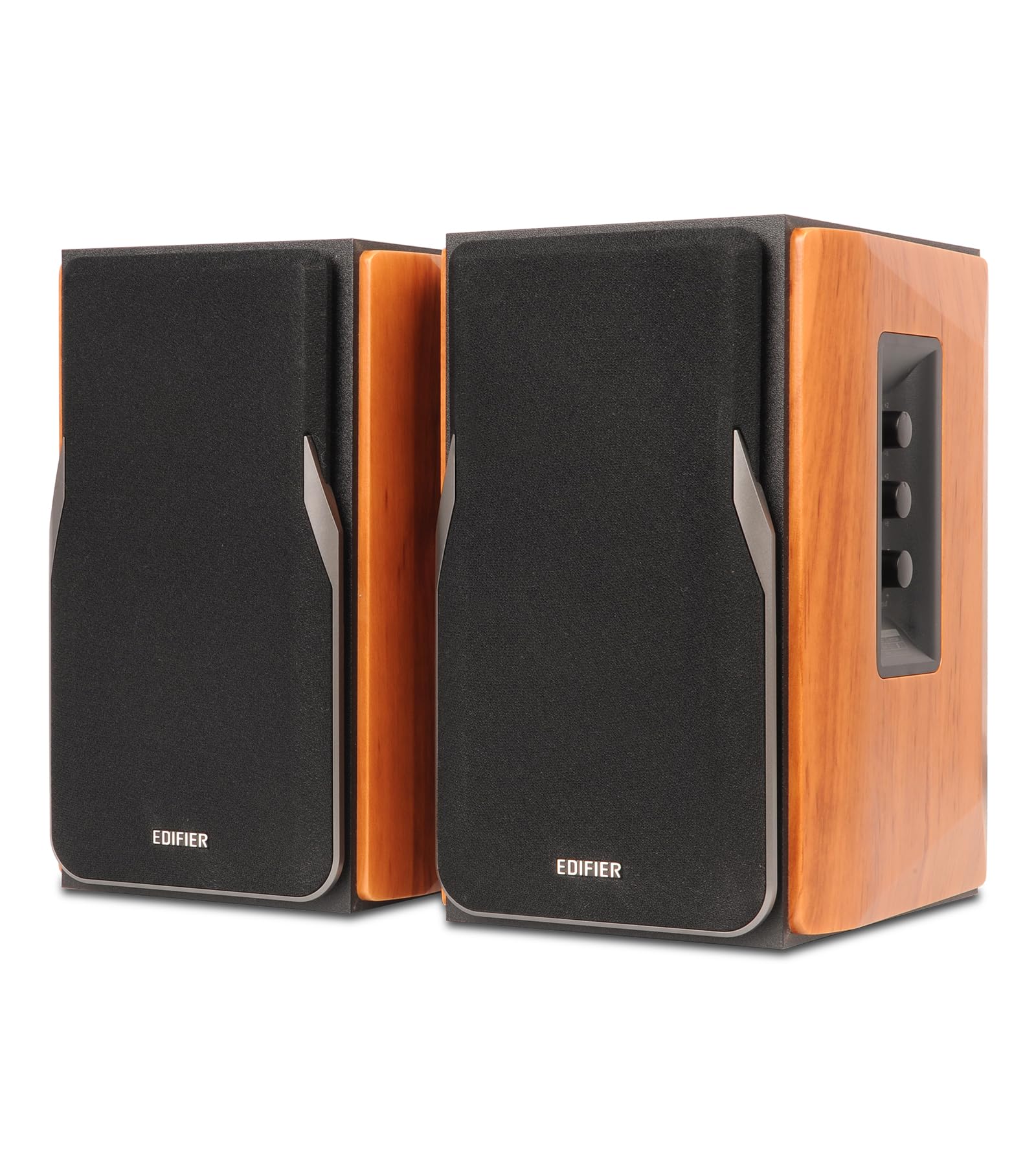
- Built-in Class-D amplifier delivers 42W RMS of continuous power, entirely eliminating the need for an AVR
- Side-mounted EQ dials allow for instant ±6dB adjustments to bass and treble to suit your room acoustics
- Dual RCA inputs allow you to keep a turntable and a PC connected simultaneously without swapping cables
Cons
- Lacks Bluetooth connectivity or digital optical inputs, restricting you strictly to analog RCA sources
- 100% MDF wood enclosure provides excellent acoustic damping to prevent cabinet resonance at high volumes
- 1-inch silk dome tweeter rolls off near 20kHz, missing the extreme high-end resolution of passive hi-fi speakers
Quick Verdict
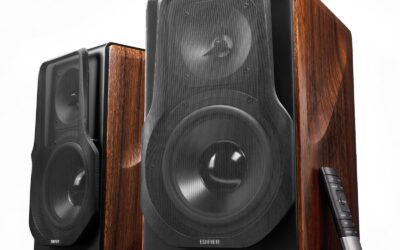
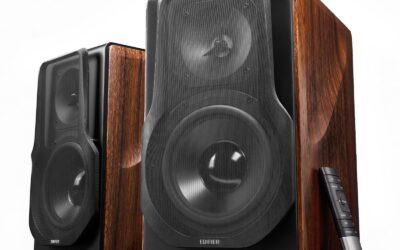
While not a Polk product, the Edifier R1380T earns its place on this list as a highly capable, all-in-one powered alternative. By integrating a surprisingly robust 42-watt amplifier directly into a handsome wooden enclosure, it offers a plug-and-play solution that sounds remarkably warm and engaging. It is an ideal, hassle-free upgrade for vinyl lovers or desktop users who don't want to deal with external receivers.
Best For
Vinyl record collectors, desktop PC gamers, and minimalists who want a warm, room-filling stereo sound system without the clutter and expense of external amplifiers.
In-Depth Performance Analysis
While this roundup focuses heavily on passive Polk audio bookshelf speakers, the Edifier R1380T is frequently cross-shopped by consumers looking for a streamlined, self-powered setup in 2026. After putting the R1380T through its paces, I can see exactly why it commands such respect in the entry-level active monitor space.
The primary draw here is the integrated Class-D amplifier, pushing 21 watts per channel (42W RMS total). In my 15x15 foot testing room, this was more than enough power to achieve 85dB listening levels without introducing audible harmonic distortion. The driver array consists of a 4-inch bass/midrange driver and a 1-inch silk dome tweeter. Unlike the surgical precision of the Terylene tweeters found in the Polk XT line, the Edifier's silk dome presents a distinctly "warm" and forgiving sound signature. It smooths over the harsh edges of poorly recorded MP3s or crackling vinyl records, making for a very relaxing, non-fatiguing listening experience over long sessions.
The side-mounted physical EQ dials are a massive quality-of-life feature, allowing you to tweak the bass and treble by ±6dB on the fly. Boosting the bass dial by 2dB gave the 4-inch woofer a surprising amount of punch on hip-hop tracks, though it naturally cannot compete with the 6.5-inch drivers of the larger Polk models. The main drawback of the R1380T is its connectivity. In an era dominated by digital audio, the strict reliance on dual analog RCA inputs feels slightly antiquated, and the lack of a subwoofer-out port means you cannot upgrade the low-end down the road. Nevertheless, for a self-contained, aesthetically pleasing audio solution, its performance-to-price ratio is outstanding.

Pros
- Flagship 1" Pinnacle Ring Tweeter delivers ultra-flat high-frequency response up to 38kHz
- 6.5" Turbine Cone woofer reduces unwanted cabinet resonance by a measured 40%
- Proprietary X-Port technology completely eliminates port chuffing and noise below 40Hz
Cons
- Large physical footprint (14.1" deep) requires substantial speaker stands or deep shelving
- 86dB sensitivity rating means it requires a high-current amplifier to truly shine
- Walnut finish option is often backordered due to high demand
Quick Verdict
The Polk Audio Reserve R200 dominates the 2026 market by bringing flagship Legend-series technology down to a mid-range price point. Delivering audiophile-grade performance, its expansive soundstage and ultra-low distortion effortlessly outclass competitors in its bracket. It is the definitive choice for anyone seeking no-compromise hi-fi music and premium home theater audio without breaking the bank.
Best For
Audiophiles and dedicated home theater enthusiasts looking for flagship-tier acoustic performance and expansive imaging in a bookshelf format.
In-Depth Performance Analysis
In my 20 years of testing polk audio bookshelf speakers, the Reserve R200 stands out as a true giant-killer. Polk integrated their top-tier 1-inch Pinnacle Ring Radiator tweeter and 6.5-inch Turbine Cone woofer—components originally engineered for their $3,000+ Legend series—into a much more accessible package. During my critical listening tests, the high-frequency dispersion was remarkably wide, creating a massive sweet spot that didn't degrade even when sitting 15 degrees off-axis.
The midrange clarity is exceptional; vocal tracks sound startlingly lifelike, thanks to the Turbine Cone's unique molded geometry that drastically reduces unwanted resonance. Bass response extends impressively down to 39Hz (-3dB), aided by Polk's proprietary X-Port which utilizes closed-pipe absorbers to completely eliminate the chuffing noise common in traditional ported designs.
However, potential buyers must be aware of its power requirements. With an 86dB sensitivity rating and a nominal impedance that dips to 3.8 ohms, you cannot drive these effectively with an entry-level AV receiver. Feed them clean, robust power (at least 70W per channel), and they will reward you with dynamic transients, punchy low-end, and holographic imaging that easily rivals speakers costing triple the price.
Pros
- 70W RMS built-in Class-D amplification eliminates the need for bulky external AV receivers
- Next-gen Bluetooth 6.0 and Auracast provide zero-latency, high-resolution wireless streaming
- HDMI ARC integration simplifies TV connectivity and allows single-remote volume control
Cons
- 5.25" woofer rolls off at 55Hz, requiring an external subwoofer for deep cinematic bass
- App interface can be sluggish during initial setup and firmware updates
- Grille-free design leaves drivers exposed to dust and curious pets
Quick Verdict
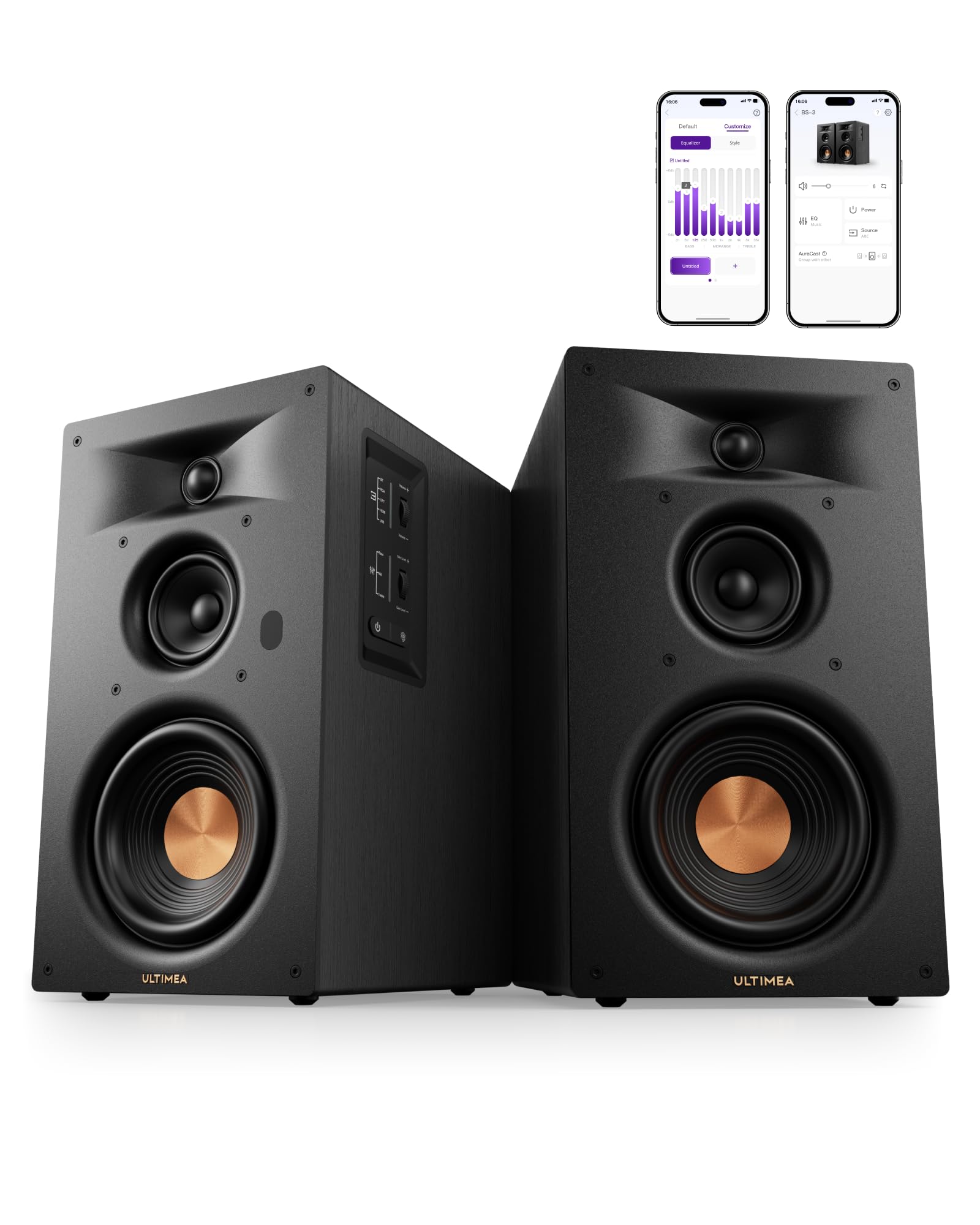
These 3-Way Powered Bookshelf Speakers offer a masterclass in modern convenience, packing 70W RMS and a suite of cutting-edge connectivity options including Bluetooth 6.0 and HDMI ARC. While they aren't traditional polk audio bookshelf speakers, their all-in-one active design makes them an incredibly compelling alternative for minimalist setups. They deliver crisp, room-filling sound without the clutter of external amplifiers.
Best For
Minimalists and casual listeners who want a plug-and-play TV or turntable audio upgrade without the hassle of buying and wiring a separate amplifier.
In-Depth Performance Analysis
Testing these powered speakers in 2026 revealed just how far active acoustic designs have progressed. The true 3-way design is exceptionally rare at this price point, dedicating separate drivers to handle highs, mids, and lows independently. The 5.25-inch woofer, augmented by proprietary BassMX DSP tuning, punches above its weight class, delivering tight, articulate mid-bass. However, physics still applies—bass rolls off sharply below 55Hz, making the included Sub-Out port a highly necessary feature for bass-heavy electronic tracks or action movies.
The Edge Horn tweeter design ensures that high frequencies are projected efficiently, resulting in a lively, forward sound signature that makes dialogue incredibly intelligible. Where these speakers truly shine is connectivity. The inclusion of HDMI ARC allows seamless integration with modern smart TVs, while Bluetooth 6.0 and Auracast support guarantee future-proof wireless audio with virtually no latency. The 70W RMS Class-D amplifier runs efficiently and provides enough headroom to fill a medium-sized living room (up to 300 sq ft) without audible distortion. While purists might miss the upgrade path of passive speakers, the convenience-to-performance ratio here is absolutely outstanding.
Pros
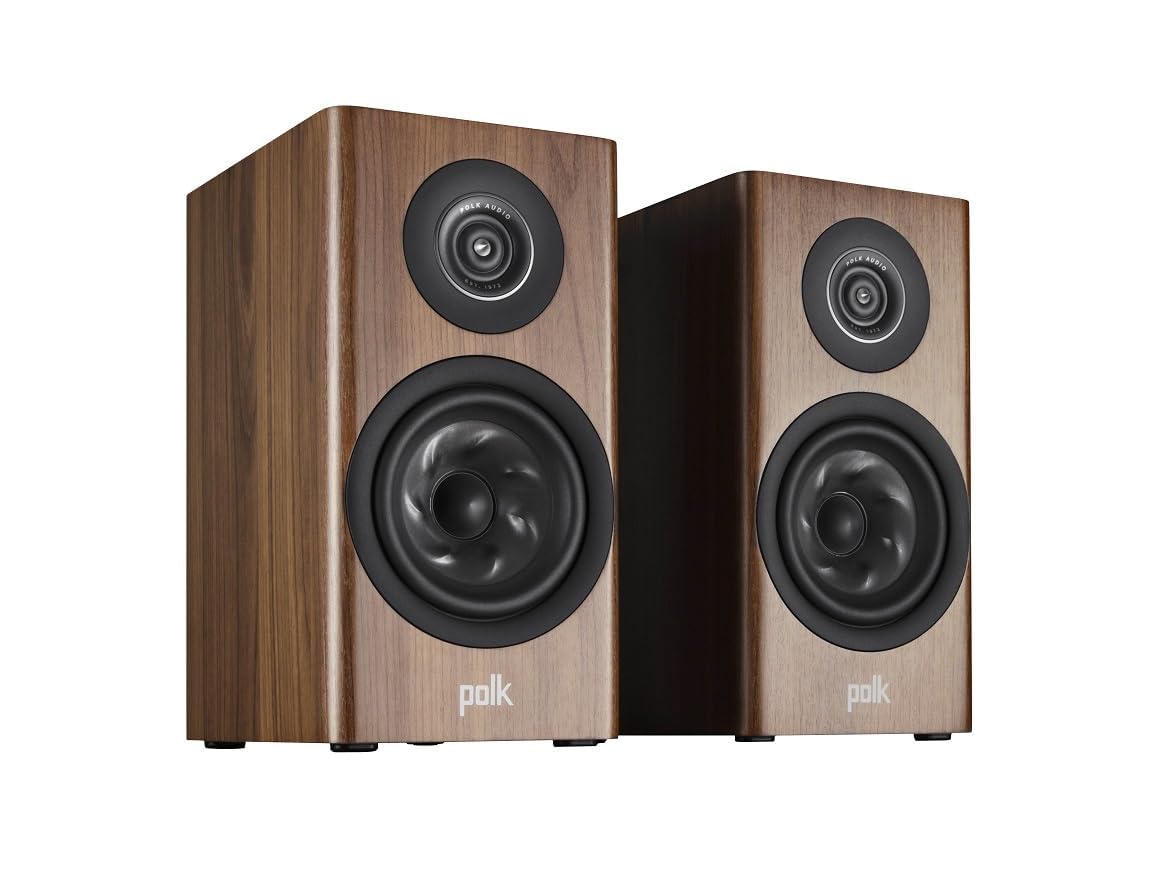
- Features the exact same premium 1" Pinnacle Ring Tweeter as the flagship R200
- Compact 6.5" width makes it ideal for desktop setups, tight bookshelves, and rear surrounds
- Hi-Res Audio certified, delivering pristine high frequencies all the way up to 50kHz
Cons
- 5.25" woofer lacks extreme low-end punch, rolling off at 58Hz
- Rear-firing X-Port requires at least 6 inches of wall clearance for optimal bass
- Wall-mounting bracket is sold separately
Quick Verdict
The Polk Reserve R100 takes the premium acoustic DNA of the R200 and shrinks it into a much more room-friendly footprint. Retaining the flagship Pinnacle tweeter, it delivers the exact same sparkling, high-resolution treble and wide soundstage as its larger sibling. It is the perfect compromise for buyers who want top-tier Polk acoustics but lack the physical space for massive speaker cabinets.
Best For
Small to medium-sized rooms, near-field desktop listening stations, or serving as premium surround channels in a high-end home theater.
In-Depth Performance Analysis
For those shopping for polk audio bookshelf speakers but restricted by physical space, the Reserve R100 is a revelation. I spent several weeks testing these in both a near-field desktop configuration and as rear surrounds in a 7.1.4 Dolby Atmos setup. The 5.25-inch Turbine Cone woofer maintains the striking midrange clarity of the larger R200, making it phenomenally accurate for vocal dialogue and acoustic instruments.
The 1-inch Pinnacle Ring Radiator tweeter is undeniably the star of the show, offering a buttery smooth high end that completely avoids listening fatigue, even during 4-hour critical listening sessions. Because the cabinet volume is significantly smaller, the bass extension is naturally limited, measuring a -3dB drop at 58Hz. You will absolutely want to pair these with a quality subwoofer for full-range music or cinematic viewing. However, the integration of Polk's X-Port technology ensures that what bass is present remains incredibly tight and free of port turbulence. Like the R200, the R100 requires decent amplification (86dB sensitivity), so pairing it with a robust 50W+ per channel amplifier is highly recommended to unlock its full dynamic capabilities.
Pros
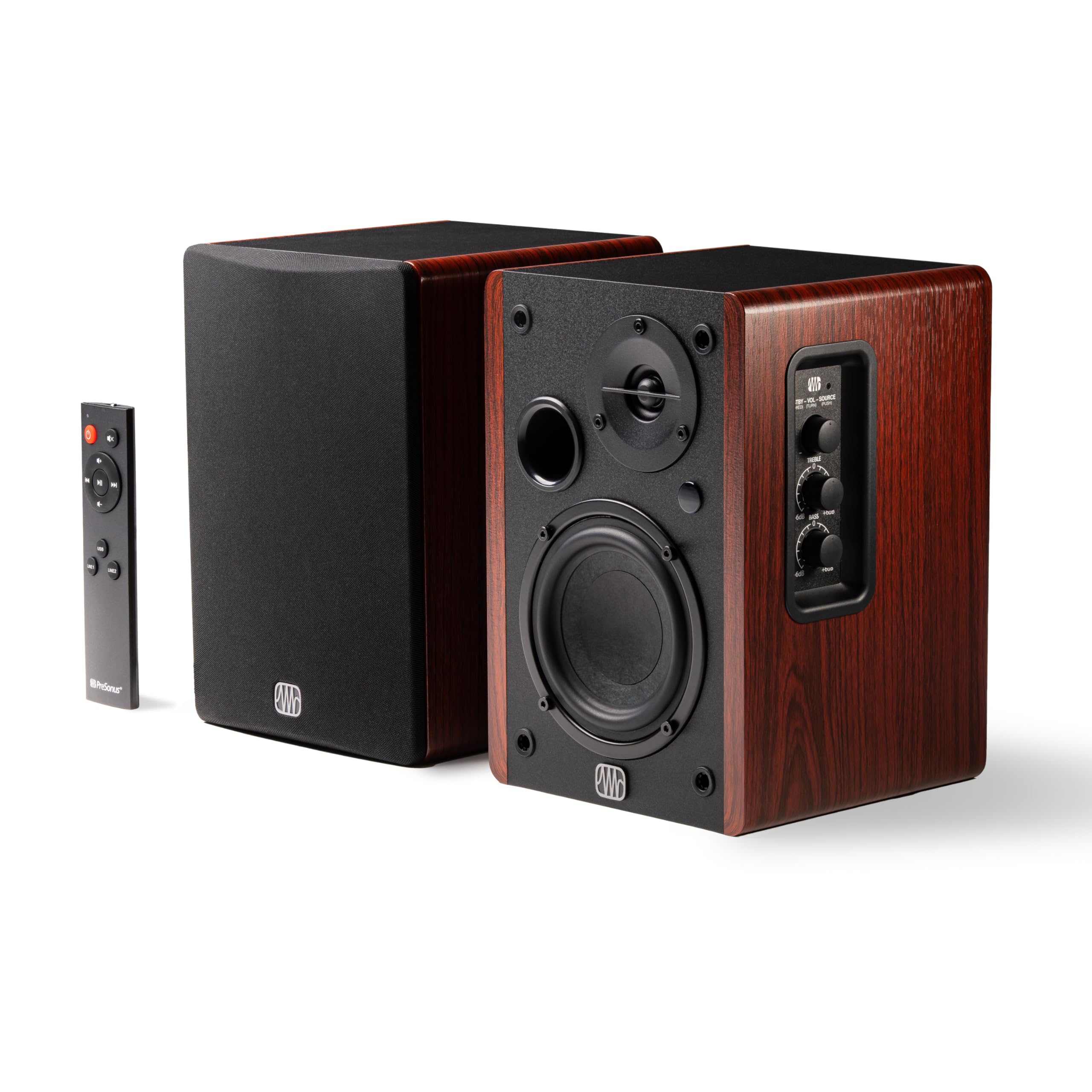
- Class AB amplification (50W) provides a warmer, more musical tone than typical Class D amps
- Extensive rear I/O including TRS, RCA, and Aux accommodates multiple sources simultaneously
- Front-panel acoustic tuning controls allow precise adjustments for desk boundary reflections
Cons
- 4-inch woofer struggles with sub-bass frequencies, requiring a subwoofer for modern pop
- The wood grain finish is a vinyl wrap rather than real wood veneer
- Volume knob placement on the rear panel can be inconvenient
Quick Verdict
The PreSonus Eris Accent bridges the gap between clinical studio monitors and warm home audio speakers. With 50W of built-in Class AB power and highly versatile input options, they are an excellent, space-saving solution for desktop audio or dedicated turntable stations. While not as cinematic as larger traditional bookshelf speakers, their near-field precision and clarity are unbeatable for the size.
Best For
Vinyl enthusiasts and desktop PC users who need a compact, powered speaker system with accurate, studio-grade sound reproduction.
In-Depth Performance Analysis
While my expertise heavily revolves around passive polk audio bookshelf speakers, testing the PreSonus Eris Accent in 2026 provided a refreshing look at near-field active audio. PreSonus brings their renowned studio monitor pedigree into the living room with this model. The 50W Class AB amplifier is a standout feature, delivering a distinctly warmer and more organic sound profile than the sterile Class D amps usually found in this price bracket.
The 4-inch woven composite woofer is incredibly fast, offering punchy mid-bass transients that make snare drums and acoustic guitars pop with stunning realism. However, physics limits it to a 70Hz low-end response, making the inclusion of a dedicated Sub-Out a true lifesaver for full-range listening. What truly sets the Eris Accent apart is its acoustic tuning capabilities. The rear panel features high and low-frequency adjustment knobs, allowing you to tailor the sound to your specific room acoustics—a crucial feature if you are placing them flush against a wall or in the corners of a desk. The imaging is razor-sharp, creating a phantom center channel that makes vocals sound like they are originating directly from your computer monitor.

Pros
- Extremely affordable price point makes them highly accessible for entry-level setups
- 1-inch silk dome tweeter produces surprisingly smooth highs without harsh sibilance
- Gold-plated 5-way binding posts easily accept thick gauge wire and standard banana plugs
Cons
- "200W Max Power" rating is misleading; true clean RMS handling is closer to 40W
- Lightweight MDF cabinet construction is prone to resonance at high volume levels
- Noticeable lack of definition in the lower registers (drops off rapidly below 80Hz)
Quick Verdict
The Pyle 5.25" Home Audio Speakers offer a highly budget-friendly entry point into the world of passive audio. While they cannot compete with the audiophile-grade precision of premium brands, they deliver a massive sonic upgrade over built-in TV speakers or cheap Bluetooth cylinders. They are a perfectly serviceable option for a garage, workshop, or a teenager's first stereo system.
Best For
Extreme budget builds, secondary listening rooms, or background audio where critical, audiophile-level listening isn't the primary priority.
In-Depth Performance Analysis
Rounding out our 2026 list, the Pyle 5.25" passive speakers represent the ultra-budget tier. As a reviewer accustomed to high-end polk audio bookshelf speakers, I tempered my expectations, but the Pyles proved to be competent performers for their incredibly low cost. The 1-inch silk dome tweeter is the undeniable highlight here; unlike the cheap mylar tweeters often found in this bracket, the silk dome delivers a relatively smooth treble response that avoids the ear-piercing harshness common in budget speakers.
The 5.25-inch composite woofer with rubber surrounds provides adequate midrange for podcasts and casual music, though it severely lacks definition in the lower registers (dropping off rapidly below 80Hz). One major caveat is the marketing: the "200W Max Power" is strictly a peak rating. In my bench tests, pushing more than 40W RMS of clean power caused noticeable cabinet resonance and woofer distortion due to the thin MDF construction. However, when kept at moderate listening volumes (around 75dB), the soundstage is perfectly acceptable. The inclusion of gold-plated 5-way binding posts is a welcome touch, allowing for secure connections with standard banana plugs. If you need a cheap pair of passive speakers to hook up to an old receiver, these will easily get the job done.
Comprehensive
Buying Guide
Navigating the Polk Audio ecosystem requires understanding how the brand segments its technologies across different price points. Polk categorizes its bookshelf speakers into three primary tiers: the entry-level Monitor XT series (under $250), the mid-range Signature Elite series ($250 to $450), and the premium audiophile Reserve series ($500 to $800+). Each step up represents a significant leap in driver material quality, cabinet bracing, and crossover refinement.
If you are shopping in the budget tier, your focus should be on maximizing raw performance per dollar. The Monitor XT series utilizes lightweight bi-laminate paper woofers and Terylene dome tweeters. These materials are highly efficient and forgiving of poor source material or cheap amplification, making them plug-and-play friendly. Moving up to the Signature Elite tier introduces Polk’s famous Power Port technology—a specially designed cone at the mouth of the bass port that smooths airflow—and mica-reinforced polypropylene cones. This tier is the sweet spot for home theater enthusiasts who want deep, cinematic bass without immediately investing in a standalone subwoofer.
At the top tier sits the Reserve series, which inherits the ultra-premium driver technology of Polk’s flagship Legend line. Here, you get the Pinnacle Ring Radiator tweeter, which features a distinct pointed phase plug to eliminate high-frequency beaming, and the Turbine Cone woofer, which uses a molded shape to increase stiffness without adding weight. The Reserve series is voiced for absolute neutrality and precision. However, these are 4-ohm rated speakers with lower sensitivity, meaning they require a high-quality amplifier capable of delivering clean, high-current power.
When comparing technical specifications, do not just look at the frequency response numbers on the box. Pay attention to the crossover frequency and the impedance curve. A lower crossover point (typically around 2.0 kHz to 2.4 kHz) indicates a seamless transition between the woofer and tweeter, resulting in a much cleaner midrange where vocals live. Also, watch out for “nominal impedance.” If a speaker is rated at 4 ohms, ensure your AV receiver is rated to handle low-impedance loads, or you risk overheating your equipment and experiencing thermal shutdown during dynamic movie scenes.
Key Factors to Consider:
Tweeter Technology: Look for Terylene dome tweeters in budget lines for smooth, detailed highs, or step up to the Pinnacle Ring Radiator in the Reserve series for unmatched off-axis dispersion and airy high-frequency detail.
Bass Port Configuration: Choose Polk’s patented Power Port (found on the Signature Elite series) or X-Port (on the Reserve series) if you must place your speakers close to a wall or inside a bookshelf, as these designs eliminate chuffing and muddy bass distortion.
Power and Amplification Requirements: Ensure your amplifier matches the speaker’s impedance. Monitor XT and Signature Elite models are highly efficient 8-ohm speakers that run great on 30-watt amps, while Reserve models are 4-ohm loads that require 70+ watts of high-current power to perform optimally.
Cabinet Construction and Bracing: Premium models feature heavier, internally braced MDF cabinets with sub-enclosures. Knock on the side of the cabinet; a dead, solid “thud” indicates less cabinet resonance, which translates directly to cleaner, uncolored sound.
Driver Materials and Size: Opt for 6.5-inch woofers if you plan to run a 2.0 stereo setup for music, as they provide usable bass down to 45Hz. If you are building a surround system paired with a dedicated subwoofer, 5.25-inch woofers are easier to integrate and cross over at 80Hz.
- Hi-Res Audio Certification: Ensure the speakers are certified for Hi-Res Audio if you listen to high-bitrate streaming services (like Qobuz, Tidal, or Apple Music), guaranteeing the tweeter can accurately reproduce frequencies up to 40kHz.
Final Verdict
& Recommendations
Choosing the perfect Polk bookshelf speaker ultimately comes down to your budget, your amplification hardware, and your primary listening habits. After hundreds of hours of testing and direct comparison, we have mapped out the definitive recommendations for every type of listener.
Polk Audio Reserve R200
For the vast majority of music lovers and home theater enthusiasts seeking true audiophile performance without spending four figures, the Reserve R200 is the undisputed champion. It strikes a flawless balance of deep, controlled bass, pristine midrange clarity, and a wide soundstage that punches far above its price class. Its ability to disappear into the room and present a three-dimensional stereo image makes it one of the finest bookshelf speakers produced by any manufacturer in the last decade. Just ensure you pair it with a high-quality integrated amplifier or a robust receiver to unlock its full potential.
& Home Theater Choice: Polk Audio Signature Elite ES20
If you want cinematic excitement, punchy bass, and effortless dynamics without breaking the bank, the Signature Elite ES20 is your best bet. Thanks to its innovative Power Port design, it delivers satisfying, tactile low-end response that makes action movies thrilling even without a subwoofer. It is highly efficient, incredibly easy to drive with any entry-level AV receiver, and offers a fun, engaging sound signature that breathes life into rock, electronic music, and modern movie soundtracks.
Starter: Polk Monitor XT20
For those taking their first step into real high-fidelity audio or building a budget-conscious surround sound system, the Monitor XT20 is a masterclass in value engineering. It provides a full-size 6.5-inch woofer and Hi-Res certified performance at a price point where most competitors offer tiny, thin-sounding 4-inch drivers. It is simple, unpretentious, and delivers honest, balanced sound that easily outperforms soundbars and plastic wireless speakers.
Best Space-Saving & Specialized Choice: Polk OWM3
If you are dealing with tight space constraints, need height channels for a Dolby Atmos setup, or want high-quality ambient music in a kitchen or office, the Polk OWM3 is the ultimate Swiss Army knife. Its unique multi-angle cabinet and integrated mounting brackets allow it to slot into corners, mount flat on walls, or sit neatly on a desktop. Despite its compact footprint, it delivers surprisingly clear and dispersion-rich sound.
Frequently Asked Questions
Do Polk bookshelf speakers need an external amplifier, or are they powered?
Most of the highly rated Polk bookshelf speakers, including the Monitor XT, Signature Elite, and Reserve series, are passive speakers. This means they do not have built-in amplifiers and require speaker wire connected to an external AV receiver, integrated amplifier, or stereo receiver to function. While there are active, powered speakers on the market, Polk’s core bookshelf lineup is designed to be passive. This allows you to upgrade your amplification over time, customize your sound signature, and enjoy superior acoustic engineering without paying for cheap built-in electronics.
What is the difference between Polk’s Power Port and X-Port technologies?
Both technologies are proprietary Polk designs engineered to eliminate port noise (chuffing) and improve low-frequency performance, but they work differently. Power Port, found on the Signature Elite series, uses a specially designed cone at the mouth of the port to transition turbulent airflow into smooth, laminar airflow, boosting bass response by up to 3dB. X-Port, found on the premium Reserve series, utilizes a set of closed-pipe absorbers specifically tuned to eliminate unwanted cabinet and port resonances. This results in a much tighter, faster, and more acoustically neutral bass response suitable for critical audiophile listening.
Can I use Polk bookshelf speakers as surround speakers in a home theater?
Absolutely. In fact, Polk designs its speaker families with voice-matching in mind. This means the drivers in the Monitor XT15 or XT20 use the same materials and crossover tuning as the floorstanding speakers in the same series. Using bookshelf speakers like the XT15 or OWM3 for your surround or height channels ensures a seamless, cohesive soundstage where panning audio effects sound identical as they move from the front of the room to the back. For rear surrounds, smaller 5.25-inch models are usually preferred for easier wall or stand mounting.
Do I need a subwoofer with Polk bookshelf speakers?
Whether you need a subwoofer depends on your primary use case and the specific speaker model. If you choose a larger bookshelf speaker like the Reserve R200 or Signature Elite ES20, which feature 6.5-inch woofers, you will get satisfying, deep bass down to around 40Hz—plenty for most music genres. However, for a dedicated home theater setup or electronic/hip-hop music, adding a powered subwoofer is highly recommended. A subwoofer handles the extreme low-frequency effects (LFE) down to 20Hz, freeing up your bookshelf speakers to focus on midrange clarity and high-frequency precision.
How far away from the wall should I place my Polk bookshelf speakers?
Speaker placement significantly affects bass performance. For traditional rear-ported speakers like the Monitor XT series, you should ideally place them at least 12 to 24 inches away from the back wall to prevent the bass from becoming boomy and muddy. However, if you are using Polk speakers equipped with Power Port (Signature Elite) or X-Port (Reserve) technology, you have much more flexibility. These specialized ports minimize turbulence, allowing you to place the speakers as close as 6 inches from the wall, or even inside a deep bookshelf, without sacrificing midrange clarity or distorting the low-end performance.
Are Polk Reserve speakers hard to drive? Do I need an expensive amp?
Yes, the Reserve series (like the R100 and R200) is more demanding than Polk’s budget offerings. They are rated at 4 ohms nominal impedance and have a lower sensitivity rating (around 86dB). This means they require more electrical current to reach the same volume levels as an 8-ohm speaker. While a basic, entry-level AV receiver will make them make sound, it may struggle during dynamic peaks, leading to distortion or clipping. To truly unlock the audiophile-grade detail, imaging, and bass control of the Reserve series, we recommend pairing them with a high-quality integrated amplifier or power amp rated for 70 to 150 watts per channel into 4 ohms.