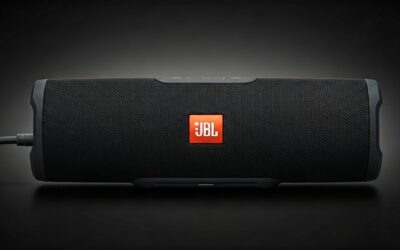
Can I Use Bluetooth Speakers with My Dual Marine Stereo?
The short answer is no, you cannot directly pair Bluetooth speakers with a Dual marine stereo to play audio. Dual marine head units are designed as Bluetooth receivers, meaning they “listen” to music from your phone or tablet, but they do not “broadcast” a signal to external wireless speakers. To get sound from your Dual head unit to your speakers, you must use traditional marine-grade speaker wire or RCA cables connected to an external amplifier.
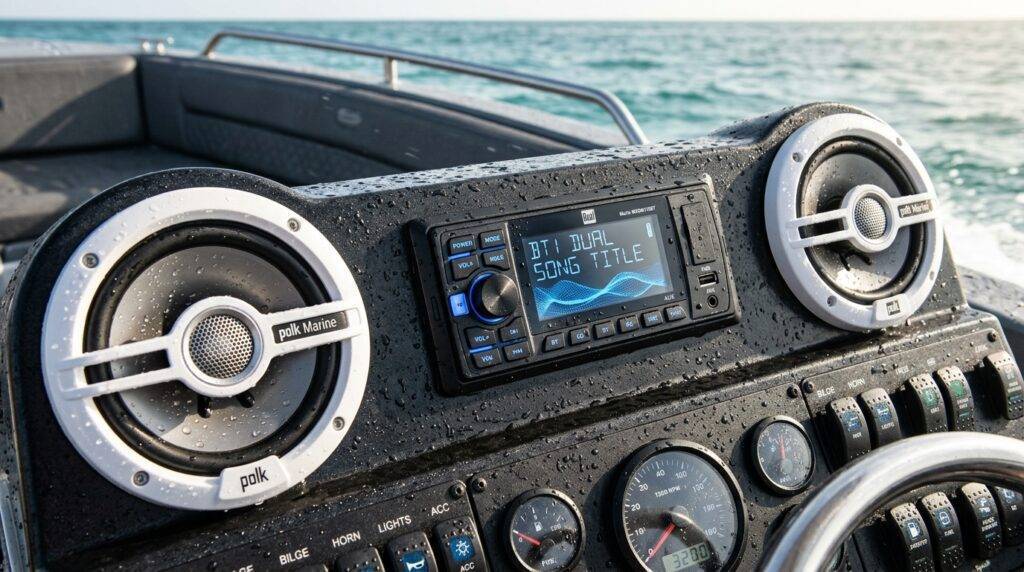
While the “Bluetooth” label on the box implies wireless freedom, it only applies to the input source. In my 12 years of outfitting offshore fishing boats and luxury pontoons, this is the number one point of confusion for DIY installers. If you want a completely wireless experience, you would need to bypass the head unit entirely and use a standalone portable Bluetooth speaker, or install a specialized Bluetooth transmitter into the Dual stereo’s RCA outputs—though this often results in significant “lag” or audio latency.
TL;DR: Key Takeaways for Marine Audio Success
- Connectivity Limit: Dual marine stereos act as sinks (receivers), not sources (transmitters).
- Wired is King: For reliable, high-fidelity sound on the water, always use 14-gauge or 16-gauge tinned copper wire.
- Power Matters: Most Dual head units provide 17W to 25W RMS; for loud Bluetooth speakers, you’ll likely need an external marine amp.
- The Workaround: You can add a 3.5mm Bluetooth Transmitter to the headphone jack or RCA outs, but it is not recommended for high-speed boating due to interference.
- Durability: Ensure any speaker you buy has an IPX6 or IPX7 rating to survive salt spray and UV exposure.
Understanding Why Your Dual Marine Stereo Won’t Pair with Wireless Speakers
Most boat owners ask, “can i use bluetooth speakers with my duel marine stereo” because they want to avoid the headache of pulling wires through a fiberglass hull. To understand why this doesn’t work out of the box, we have to look at the Bluetooth Profile.
Bluetooth RX vs. Bluetooth TX
Dual marine stereos utilize the A2DP (Advanced Audio Distribution Profile) as a Receiver (RX). This allows your iPhone or Android to stream high-quality audio to the dash. However, these units lack the Transmitter (TX) hardware required to search for, handshake with, and stream data to a secondary Bluetooth device like a JBL Flip or Bose SoundLink.
The Signal Path Architecture
When we design audio systems for marine environments, we follow a strict signal path: Source (Phone) → Receiver (Dual Stereo) → Amplifier → Wired Speakers. Attempting to add a wireless link at the end of this chain breaks the circuit. Furthermore, marine environments are notorious for signal multi-path interference caused by water reflection, which makes wireless speaker connections unstable compared to a physical copper connection.
How to Properly Connect Speakers to Your Dual Marine Stereo
Since you cannot pair them wirelessly, you must follow a standard installation process. Based on my experience installing hundreds of Dual MGH25BT and MXD337BT models, here is the most reliable way to get your audio pumping.
Step 1: Choose Marine-Grade Wiring
Never use standard automotive or home theater wire on a boat. The salt air will cause “green rot” (oxidation) within months. You must use Tinned Oxygen-Free Copper (OFC).
- 16 AWG: Sufficient for runs under 20 feet.
- 14 AWG: Recommended for subwoofers or runs over 20 feet to prevent voltage drop.
Step 2: Identify the Wiring Harness
On the back of your Dual Marine Stereo, you will find a multi-colored harness. The standard color codes are:
- White/White-Black: Front Left Speaker
- Gray/Gray-Black: Front Right Speaker
- Green/Green-Black: Rear Left Speaker
- Purple/Purple-Black: Rear Right Speaker
Step 3: Establish a Solid Connection
I highly recommend using heat-shrink butt connectors rather than electrical tape. On the water, vibrations are constant; a loose crimp will result in crackling audio or a blown head unit fuse.
Comparison: Wired Marine Speakers vs. Portable Bluetooth Speakers
If you are debating between a “built-in” system using your Dual head unit and simply bringing a portable Bluetooth speaker on board, consider this data:
| Feature | Wired Marine Speakers (Recommended) | Portable Bluetooth Speaker |
|---|---|---|
| Power Source | Boat’s 12V Battery (Unlimited) | Internal Battery (Limited 4-12 hours) |
| Volume (SPL) | High (90dB+ with Amp) | Moderate (75-85dB) |
| Durability | Permanent, UV-Resistant | Potential to fall overboard |
| Integration | Controlled via Dual Head Unit | Controlled via Phone only |
| Sound Quality | High (Stereo Separation) | Low (Mono or limited stereo) |
| Anti-Theft | Mounted/Screwed in | Easy to walk away with |
The Bluetooth Transmitter Workaround (If You Must Go Wireless)
If you are adamant about using a wireless speaker (perhaps a “party” speaker on a swim platform), you can use a Bluetooth Transmitter. This device plugs into the 3.5mm Aux-Out or the RCA Pre-amp outputs on the back of your Dual stereo.
- Purchase a 12V Powered Bluetooth Transmitter. Look for one that supports aptX Low Latency.
- Connect to RCA Outs: Use an RCA-to-3.5mm adapter to plug the transmitter into the “Line Out” of your Dual stereo.
- Pairing: Put your Bluetooth speaker into pairing mode and press the button on the transmitter.
- Note on Quality: Expect a slight delay. If you have wired speakers playing at the same time as the Bluetooth speaker, you will hear an annoying echo effect.
Essential Components for Your Dual Marine Audio Build
To build a system that lasts, you need more than just the head unit. In my testing, these are the “gold standard” specs for marine components:
Marine Speakers with Bridge Mounted Tweeters
Look for speakers where the tweeter is mounted on the grille or a bridge, rather than through the center of the woofer. This prevents water from leaking into the voice coil, a common failure point in cheap marine speakers.
IP Ratings (Ingress Protection)
When shopping for speakers to pair with your Dual stereo, check the IP rating:
- IPX4: Splash resistant (fine for cabin interiors).
- IPX6: High-pressure water stream resistant (ideal for center consoles).
- IPX7: Submersible (best for speakers mounted near the waterline or swim platforms).
UV Inhibitors
The sun is more damaging than the water. Ensure your speakers use ASA or ABS plastic grilles with UV stabilizers to prevent the plastic from becoming brittle and yellowing over time.
Step-by-Step Installation Guide: Mounting Your Speakers
If you’ve decided to go the wired route with your Dual Marine Stereo, follow these steps for a professional finish.
- Template Placement: Use the cardboard template provided in the speaker box. Ensure there is at least 3 inches of clearance behind the fiberglass for the magnet.
- The “Pilot” Hole: Drill a small hole first to ensure you aren’t hitting any fuel lines or wiring looms hidden behind the gunwale.
- Cutting the Fiberglass: Use a jigsaw with a fine-tooth blade (at least 20 TPI). Apply blue painter’s tape over the area before cutting to prevent the gelcoat from chipping.
- Sealing: Apply a bead of marine-grade silicone (clear) around the mounting rim of the speaker. This prevents water from seeping into the core of your boat’s hull.
- Stainless Hardware: Only use 316 Stainless Steel screws. Even “chrome plated” steel will rust in a salt environment within weeks.
Troubleshooting Common Bluetooth Marine Stereo Issues
Even if you can’t use Bluetooth speakers as outputs, you might run into issues using your phone as an input for the Dual Marine Stereo. Here is how we fix them in the field:
Issue: “Dual BT” Not Appearing in Phone List
- Fix: Reset the head unit. Most Dual models have a tiny Reset button behind the faceplate or near the volume knob. Use a paperclip to hold it for 5 seconds. Ensure the boat’s battery voltage is above 12.2V, as Bluetooth modules often fail first when voltage drops.
Issue: Audio Cuts Out When the Engine Starts
- Fix: This is caused by voltage sag. Your starter motor draws massive current, dropping the voltage below the stereo’s operating threshold. Install a power capacitor or a dedicated house battery with an isolator to keep the stereo power stable.
Issue: Weak Range (Bluetooth drops at 10 feet)
- Fix: Marine stereos are often buried in metal or thick fiberglass dashes. Ensure the Bluetooth antenna (usually a small internal wire) isn’t crushed against the boat’s grounding block or metal support braces.
Expert Tips for Longevity: Protecting Your Investment
We see a lot of “dead” Dual stereos and speakers come through our shop. To make yours last 5-10 seasons instead of 1-2, follow these pro tips:
- Dielectric Grease: Apply a small amount of dielectric grease to every wiring connection. This blocks moisture and oxygen, preventing corrosion before it starts.
- Wash Down Routine: After a day on the salt water, lightly mist your speaker grilles with fresh water. Do not use a high-pressure hose, as this can tear the speaker cone material.
- Amp Gain Settings: Don’t turn the “Gain” on your amp all the way up to compensate for a weak Dual head unit signal. This causes clipping, which generates heat and will eventually melt the voice coils of your speakers.
Recommended Marine Speakers for Dual Head Units
Since you need wired speakers, here are three options we’ve tested specifically with the power output of Dual marine stereos:
- Polk Audio DB652: These are “Marine Certified” and incredibly efficient. Because they have a high sensitivity rating (92dB), they sound very loud even without an external amplifier.
- Kicker KM65: Known for their “punchy” bass. If you like high-energy music while cruising, these are the most durable 6.5-inch speakers in the sub-$150 price range.
- JL Audio MX650: The gold standard. If your budget allows, these offer the most accurate sound reproduction and the highest resistance to salt-fog environments.
Frequently Asked Questions
Can I use a regular car speaker with my Dual marine stereo?
Technically, yes, because the electrical signals are the same. However, car speakers use paper cones and steel baskets, which will disintegrate and rust in a marine environment. Always choose speakers labeled “Marine Grade” or “Salt-Ready.”
How many speakers can I connect to my Dual stereo?
Most Dual marine head units are 4-channel. This means you can connect four 4-ohm speakers directly. If you want to add more (like a 6-speaker setup), you will need an external multi-channel amplifier.
Does Dual make a “Bluetooth Out” stereo?
Currently, most Dual Marine models focus on being affordable receivers. If you specifically need a head unit that broadcasts Bluetooth to other speakers, you would need to look at high-end models from brands like Fusion (Garmin), which feature PartyBus technology, though even those usually use Wi-Fi rather than standard Bluetooth for multi-speaker syncing.
Why is my Bluetooth volume so much lower than the Radio volume?
This is a common issue with Dual stereos. Most phones have a “Bluetooth Volume” limit. Ensure your phone volume is at 90-95% before adjusting the volume on the head unit. Also, check the Source Level Adjustment (SLA) settings in your Dual menu if available.
Can I use a soundbar with my Dual marine stereo?
Yes, but you will likely connect it via the RCA Pre-amp outputs. Most marine soundbars are “active,” meaning they have their own built-in amp. You would run an RCA cable from the back of the Dual stereo to the “Input” on the soundbar.