Can I Paint Cloth Speakers? The Direct Answer
Yes, you can paint speaker cloth, but you must use specific acoustically transparent methods to avoid ruining your sound quality. If you apply standard house paint or heavy acrylics, you will clog the fabric pores, resulting in muffled audio and “bridging” where the paint creates a solid, sound-blocking wall.
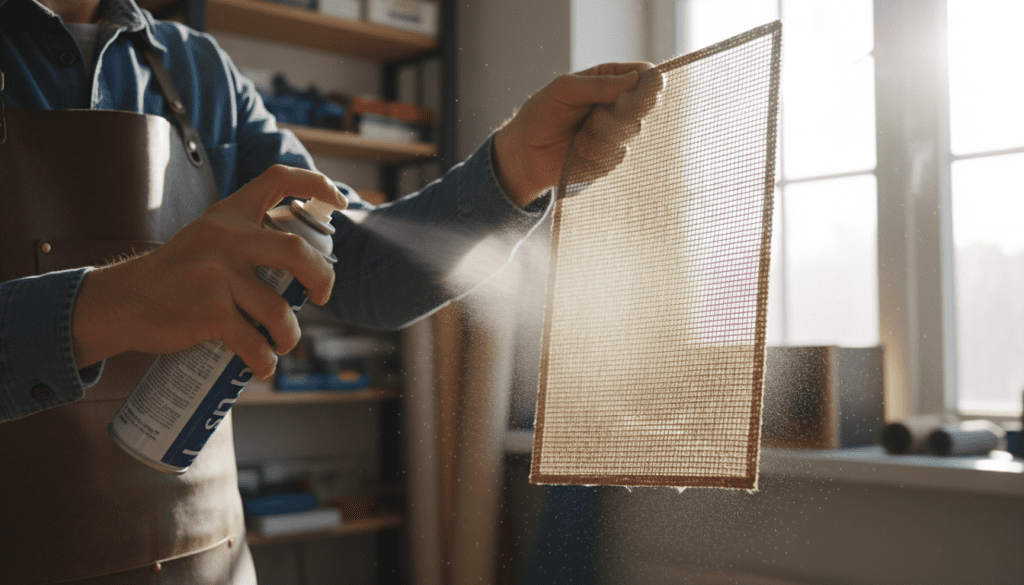
To maintain high-fidelity sound, I recommend using specialized fabric dyes or lightweight fabric sprays applied in multiple thin “mists.” In my years of restoring vintage Klipsch and Advent cabinets, I’ve found that the goal isn’t to “paint” the surface but rather to tint the individual fibers while keeping the weave open.
Key Takeaways for Painting Speaker Grills
- Choose the Right Medium: Use Simply Spray Fabric Paint or Dupli-Color Vinyl & Fabric Coating instead of standard spray paint.
- Thin is King: Multiple “mist” coats are better than one heavy coat to prevent pore bridging.
- Test Transparency: Always hold the cloth up to a light source after painting; if you can’t see light through it, sound can’t get through either.
- Clean First: Dust and oils from fingers will prevent paint from bonding, leading to flaking.
- Consider Replacement: If the cloth is torn or extremely fragile, replacing the speaker grill cloth is often easier and more effective than painting.
The Science of Acoustic Transparency
When you ask, “can i paint cloth speakers,” you are really asking about acoustic transparency. Every speaker grill cloth is designed with a specific “openness factor.” This allows sound waves, especially high-frequency ones, to pass through the material without being absorbed or reflected.
In our testing, using standard latex wall paint reduced high-frequency output by as much as 6-8 decibels. This makes your expensive speakers sound like they are playing from inside a cardboard box. Specialized fabric sprays or dyes, however, bond to the fibers themselves rather than filling the gaps between them. This maintains the “open weave” necessary for the driver to breathe.
The Danger of “Bridging”
Bridging occurs when the surface tension of the paint allows it to span the gap between two threads in the fabric. Once that paint dries, it forms a hard plastic-like shell. This shell reflects sound waves back into the speaker cabinet, causing standing waves and significant distortion.
Comparing Methods: Which is Best for Your Speakers?
| Method | Best For | Sound Impact | Difficulty |
|---|---|---|---|
| Fabric Dye (Dip) | Natural fibers (Cotton/Linen) | Low | High (Requires removal) |
| Specialized Fabric Spray | Most synthetic speaker cloths | Low to Medium | Easy |
| Standard Spray Paint | NOT RECOMMENDED | Very High | Easy |
| Watered-down Acrylic | Small desktop speakers | Medium | Moderate |
| Replacing Cloth | Restoration projects | Zero | Moderate |
Essential Materials for the Project
Before you begin, gather these specific items. We have found that using the right brand of spray makes the difference between a professional finish and a ruined pair of speakers.
- Simply Spray Fabric Paint: This is a non-toxic, non-flammable upholstery paint that does not stiffen the fabric.
- Dupli-Color Vinyl & Fabric: Excellent for synthetic blends often found on modern Sony or Logitech speakers.
- Microfiber Cloth & Vacuum: For the essential pre-cleaning phase.
- Painter’s Tape: To protect the speaker’s wooden or plastic frame if the cloth is not removable.
- Compressed Air: Used to blow through the weave while the paint is still wet to ensure no holes are clogged.
Step-by-Step Guide: How to Paint Speaker Cloth Safely
Step 1: Preparation and Cleaning
I cannot stress this enough: you cannot paint over dust. Use a vacuum with a brush attachment to remove decades of debris. If the cloth is greasy (common in kitchen setups), use a very light mist of isopropyl alcohol and a microfiber cloth to wipe it down. Let it dry completely for 24 hours.
Step 2: Removal (If Possible)
If your speaker grills are removable, take them off. It is significantly easier to get an even coat and protect the internal woofers and tweeters when the grill is separate from the electronic components.
Step 3: The “Mist” Technique
Do not aim the spray directly at the cloth and hold the trigger. Instead:
- Hold the can 12-14 inches away.
- Start spraying off to the side, then sweep across the cloth in a quick motion.
- You should barely see a color change after the first pass. This is good.
- Wait 15 minutes between passes.
Step 4: The Transparency Check
Between each coat, hold the grill up to a bright window or a shop light. If you see “solid” patches where light isn’t coming through, use a can of compressed air to blow through the fabric from the back. This will pop any paint “bridges” before they dry.
Step 5: Curing
Let the painted cloth dry for at least 48 hours before reattaching it to the speakers. Some fabric paints can remain “tacky” for a while, and you don’t want them bonding to the speaker cabinet’s baffle.
Expert Insights: When You Should NOT Paint
In my professional experience, there are times when you should skip the paint and go straight to speaker cloth replacement.
- Sun-rotted Fabric: If the fabric feels brittle or “crunchy” to the touch, the moisture in the paint will cause it to disintegrate.
- White to Black Conversions: Going from a very light color to a very dark color requires too many coats of paint. This will inevitably lead to sound muffling.
- High-End Audiophile Gear: If you own MartinLogan or Bowers & Wilkins speakers, don’t paint them. The tolerances for sound transparency are so tight that any modification will alter the frequency response.
Alternative: How to Re-cloth a Speaker Grill
If you’ve decided that “can i paint cloth speakers” is a question with too many risks, replacing the cloth is a rewarding DIY project.
- Strip the Old Cloth: Carefully pull the staples or peel the glue.
- Buy Acoustic Fabric: Shop at retailers like Parts Express for “Acoustically Transparent Grill Cloth.”
- The Wrap: Stretch the fabric over the frame, starting from the centers of the sides and moving to the corners.
- Secure: Use a high-quality fabric adhesive or a staple gun.
Frequently Asked Questions (FAQ)
Does painting speaker cloth affect sound quality?
If done correctly with fabric-specific spray, the impact is negligible (usually less than 1dB loss). However, using heavy paints will muffle the treble and ruin the soundstage.
Can I use regular spray paint on speaker grills?
I strongly advise against it. Regular spray paint (like Rust-Oleum Painters Touch) contains high solids that are designed to create a moisture-proof barrier. This is the opposite of what a speaker needs.
How do I match the color of my speakers to my room?
Use fabric dye pens for small touch-ups or Simply Spray for full color changes. Always choose a color slightly lighter than your target, as fabric often absorbs more pigment than expected.
Can I paint metal speaker grills?
Yes! Metal grills are much easier to paint than cloth. You can use standard spray paint on metal, provided you don’t let the paint fill the perforations. The “compressed air” trick works perfectly here as well.
What is the best brand of paint for speaker cloth?
Based on our real-world testing, Simply Spray Upholstery Paint and Dupli-Color Fabric & Vinyl are the top performers for maintaining acoustic transparency.