

What Are Good Door Speakers? A Step-by-Step Expert Guide
Tired of that muddy, lifeless sound coming from your car’s factory speakers? You turn up the volume hoping for more punch, but all you get is distortion. This is a common pain point for anyone who loves listening to music on the road. The truth is, most stock audio systems are built to a price, not a standard of quality. Upgrading your door speakers is the single most impactful change you can make for better sound.
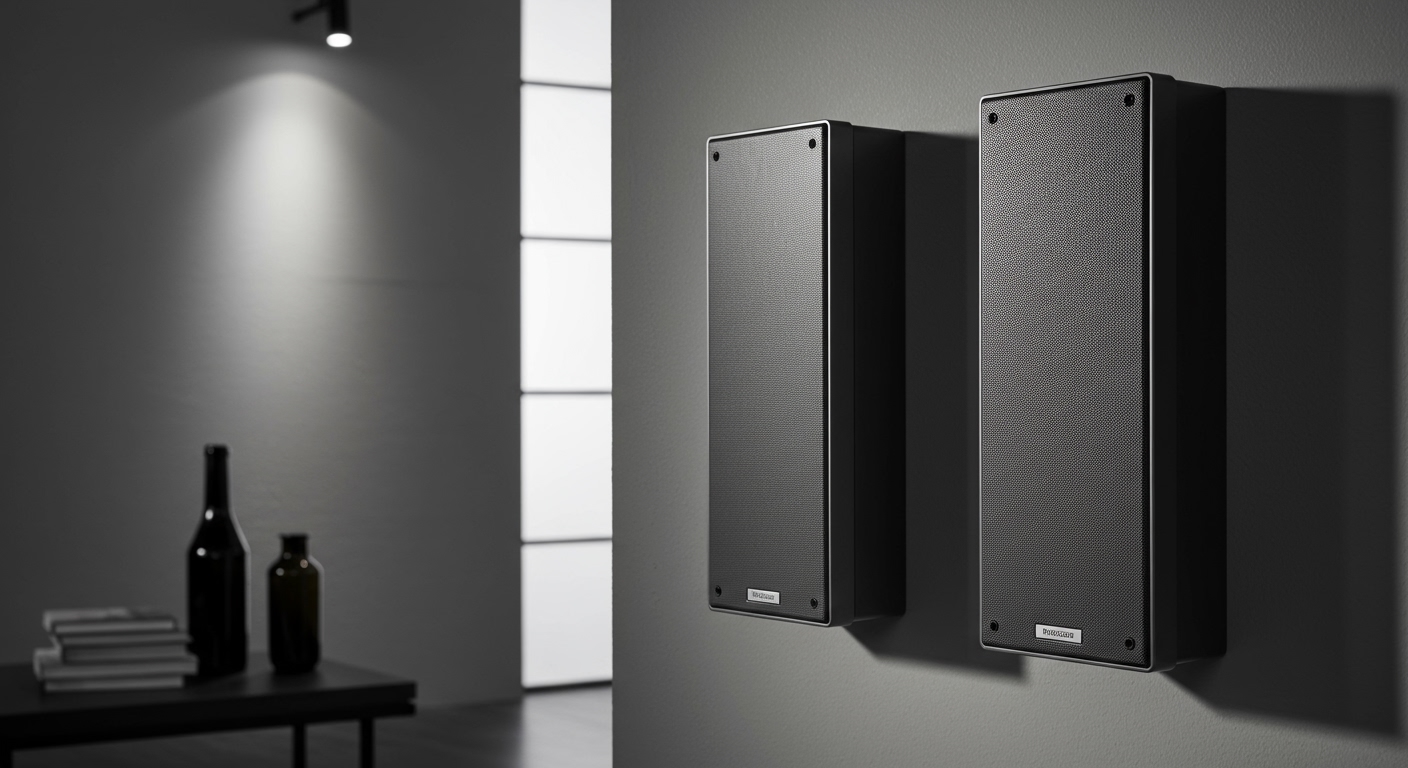
This guide will demystify the process. We’ll move beyond brand hype and dive into the technical specs and materials that truly define what are good door speakers. I’ll walk you through exactly how to choose the perfect set for your car, your budget, and your ears, based on over a decade of hands-on car audio installation experience.
Key Takeaways (TL;DR)
- Good speakers match your power source. High-sensitivity speakers (90 dB+) are best for factory stereos, while lower-sensitivity speakers can handle more power from an aftermarket amplifier.
- Speaker type matters. Component speakers offer the highest sound quality and imaging by separating the tweeter and woofer. Coaxial speakers are an all-in-one, easier-to-install, and more budget-friendly upgrade.
- Materials dictate sound. Look for woofer cones made of materials like polypropylene or woven fibers for durability and accurate bass. Tweeters made of silk or textile domes produce smooth, warm highs, while metal tweeters (aluminum, titanium) are brighter and more detailed.
- Don’t ignore the specs. Pay attention to RMS power handling (not peak power), frequency response (the range of sound it can produce), and sensitivity (how loud it gets with a given amount of power).
Understanding What Makes Door Speakers “Good”
Before you can choose the right speakers, you need to understand the core components and specifications that separate a premium audio experience from a mediocre one. In my experience, focusing on these fundamentals is far more important than just picking a popular brand.
Speaker Types: Coaxial vs. Component Systems
The first major choice you’ll make is between coaxial and component speakers. There is no single “best” option; the right choice depends on your budget, installation comfort level, and audio quality goals.
- Coaxial Speakers (The All-in-One Solution)
- Component Speakers (The Audiophile’s Choice)
Key Specifications Explained (The Numbers That Matter)
Speaker boxes are covered in numbers. Here’s what you actually need to pay attention to.
- Power Handling (RMS vs. Peak)
- Sensitivity
- Frequency Response
Build Materials: The Foundation of Good Sound
The materials used to construct a speaker have a direct and dramatic impact on its sound signature.
- Woofer Cone Material: The cone’s job is to be light enough to move quickly but stiff enough to resist flexing and distortion.
- Tweeter Dome Material: Tweeter material heavily influences the character of the high frequencies.
- Surround Material: This is the flexible ring connecting the woofer cone to the speaker basket.
Step-by-Step Guide to Choosing Good Door Speakers
Now that you know the technical side, let’s put it into a practical, step-by-step process.
Step 1: Determine Your Car’s Speaker Size and Fit
This is the non-negotiable first step. Speakers that don’t fit are useless.
- Use an Online Tool: Websites like Crutchfield have excellent vehicle outfitters. You simply enter your car’s make, model, and year, and it will tell you the exact speaker sizes that fit in your front doors, rear doors, and dashboard.
- Common Sizes: The most common door speaker sizes are 6.5″, 6×9″, 5.25″, and 6×8″.
- Check Mounting Depth: Just as important as the diameter is the mounting depth. A speaker with a large magnet might be too deep to fit in a shallow door, hitting the window mechanism when it rolls down. The fitment guides will also provide this crucial information.
Step 2: Match Speakers to Your Power Source
Are you keeping your factory stereo, or will you be adding an aftermarket amplifier? This is the most critical question for determining what are good door speakers for you.
- Scenario A: Using a Factory Stereo
- Scenario B: Using an Aftermarket Amplifier
Step 3: Consider Your Music Taste and Sound Preference
What kind of sound do you enjoy? This is subjective, but speaker materials can guide you.
- For Rock, Pop, and Electronic Music: You might prefer a more dynamic and bright sound. Look for speakers with metal tweeters (aluminum/titanium) and stiff woofer cones (carbon fiber/woven fiberglass) for that crisp detail and punchy mid-bass.
- For Jazz, Classical, and Acoustic Music: A warmer, more natural sound is often desired. Speakers with silk dome tweeters and polypropylene or treated paper cones will provide a smoother, less fatiguing listening experience.
Step 4: Set a Realistic Budget
Good door speakers can range from under $100 to over $1,000 per pair.
- Entry-Level ($50 – $150): At this price, you’ll find excellent coaxial speakers from brands like Kicker, JBL, and **Rockford Fos









