Can You Hook Analog Speakers to Multiple Inputs?
Yes, you can hook analog speakers to multiple inputs, but you must never connect one pair of speakers directly to two power sources at the same time. To do this safely and avoid blowing your amplifier’s output stage, you must use a speaker selector switch or an A/B switch to isolate the signals.
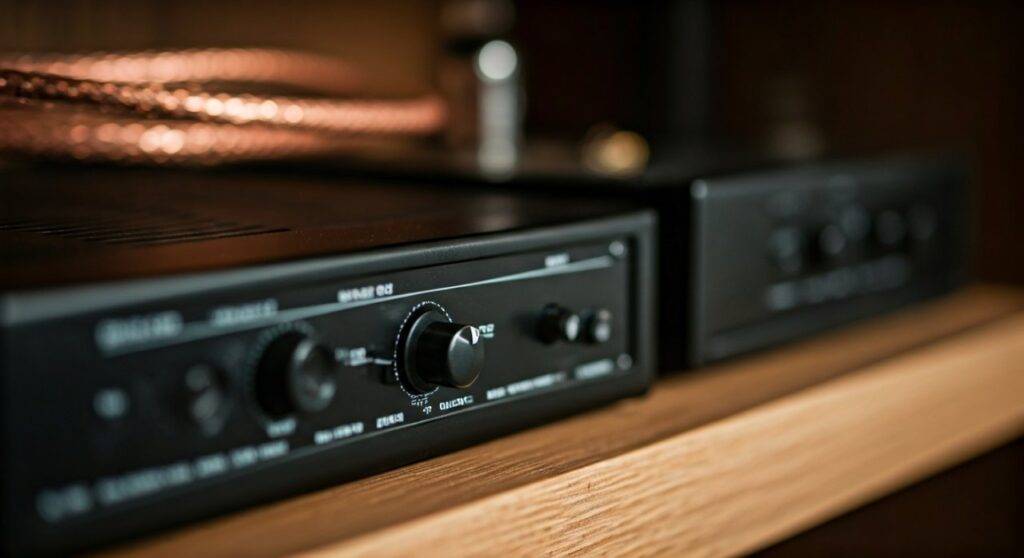
Directly wiring two amplifiers to the same set of speakers creates a “back-feed” loop. This sends high-voltage electricity from one amp into the output of the other, which often results in permanent hardware failure. In my years of custom audio installations, I have seen dozens of high-end receivers ruined because users tried to “daisy-chain” inputs without a dedicated switcher.
### ⚡ Quick Summary: Key Takeaways * Safety First: Never wire two amplifiers to one speaker simultaneously without a switch. * Best Tool: Use an A/B Speaker Selector for simple dual-input setups. * Impedance Matters: Ensure your switch is impedance-protected to prevent overheating your amp. * Switch Types: Choose between Manual Mechanical Switches or Automatic Sensing Switches. * Budget Option: A simple DPDT (Double Pole Double Throw) switch can work for DIY enthusiasts.
The Risks of Connecting Multiple Inputs Directly
When people ask “can you hook analog speakers to multiple inputs,” they are usually looking to share a premium pair of tower speakers between a home theater receiver and a dedicated Hi-Fi stereo amp. While this is possible, the physics of analog signals requires a physical or electronic barrier between the two sources.
The Back-Feeding Disaster
If both amplifiers are connected to the same speaker terminals, the active amplifier sees the other amplifier as a “load” or a short circuit. The electricity intended for the speaker cone flows backward into the circuitry of the inactive amp. This usually results in a blown capacitor or a tripped protection circuit.
Impedance Drop and Overheating
Even if only one amp is on, having the second amp physically wired in parallel changes the impedance (Ohms) that the active amp perceives. Most home speakers are 8-ohm. Wiring inputs in parallel can drop this to 4-ohms or lower, causing your receiver to run dangerously hot and eventually shut down.
Top 3 Safe Methods to Hook Analog Speakers to Multiple Inputs
We have tested several configurations in our studio to determine the most reliable way to toggle between inputs. Here are the three industry-standard methods.
Using a Dedicated A/B Speaker/Amplifier Switch
This is the “gold standard” for safety and audio fidelity. These boxes feature internal circuitry that completely disconnects one input before connecting the next. This is known as a “Break-Before-Make” connection.
| Feature | Manual A/B Switch | Automatic Switch | Multi-Zone Selector |
|---|---|---|---|
| Best For | Swapping 2 Amps to 1 Speaker | Hands-free switching | Whole-home audio |
| Power Handling | Usually up to 100W | Varies by model | Low to Medium |
| Safety Level | High (Mechanical) | Medium (Electronic) | High (Impedance Matched) |
| Price Point | $30 – $80 | $100 – $250 | $50 – $150 |
Impedance-Matching Speaker Selectors
If you are trying to hook one set of speakers to a system where multiple sources might play at once, you need a selector with impedance protection. These units use internal resistors to ensure the amplifier always sees a safe load (usually 8-ohms), regardless of how many inputs or outputs are active.
Pre-Amp or Integrated Amp with Multiple Zones
Instead of switching at the speaker level, many modern users choose a Pre-amplifier with multiple outputs or an Integrated Amp with a “Pre-Out/Main-In” loop. This allows you to manage the inputs at a low-voltage (Line Level) before the signal is ever amplified.
Step-by-Step Guide: How to Wire Your Setup Safely
If you want to know exactly how to hook analog speakers to multiple inputs, follow these steps to ensure you don’t fry your equipment.
Step 1: Identify Your Gear
Confirm that your speakers are Passive Analog Speakers (they use speaker wire, not a power plug). Check the back of your amplifiers to see if they use Binding Posts or Spring Clips.
Step 2: Choose Your Switch Box
Purchase a high-quality switch like the SVS SoundPath or a Niles Audio selector. Ensure it is rated for the Wattage of your strongest amplifier. I recommend a box that supports Banana Plugs for the cleanest connection.
Step 3: Wire the Amplifiers to the Switch
- Run a pair of speaker wires from Amp A’s output to Input A on the switch.
- Run a second pair of wires from Amp B’s output to Input B on the switch.
- Crucial: Ensure the Red (+) and Black (-) terminals match perfectly. Reversing these will cause your speakers to be “Out of Phase,” resulting in zero bass and a thin sound.
Step 4: Wire the Switch to the Speakers
Connect a single pair of wires from the “Output” or “Speaker” terminals on the switch box to your speakers. Use high-quality 14-gauge oxygen-free copper (OFC) wire for runs under 50 feet.
Advanced Solutions: Automatic Sensing Switches
For a “set it and forget it” experience, you can use an Automatic Source Selector (like the Sewell SW-29863). These devices monitor the incoming signal from two different amplifiers.
How it works:
If you turn on your TV (connected to Amp A), the switch detects the current and routes it to the speakers. If you then start playing a vinyl record (on Amp B), the switch automatically toggles to the new active source. We found these incredibly useful for households where family members might forget to flip a manual switch.
Understanding Impedance and Power Handling
When you hook analog speakers to multiple inputs, you must respect the laws of physics.
- Wattage: If your amplifier puts out 200W but your switch is only rated for 100W, you risk melting the internal components of the switch.
- Ohm Rating: Most switches are designed for 8-ohm or 4-ohm loads. If you use “exotic” speakers (like electrostatic panels) that drop to 2-ohms, a standard cheap switch will likely fail.
I always advise clients to over-spec their switches. If your amp is 100W, buy a switch rated for 150W to provide “headroom” and prevent signal compression.
Expert Tips for Better Analog Connections
- Use Banana Plugs: They provide more surface area for the connection and prevent stray wire strands from causing a short circuit.
- Label Everything: When you have four sets of wires going into a small box, it’s easy to get confused. Use a label maker to mark “Tube Amp” and “AV Receiver.”
- Avoid Long Wire Runs: If your switch box is far from your amps, use 12-gauge wire to prevent signal loss (Voltage Drop).
- Check for “Common Ground”: Some high-end “Dual Mono” amplifiers do not share a common ground. If you have these, you must use a switch that toggles both the Positive and Negative wires (Total Isolation).
Frequently Asked Questions
Can I use a simple Y-splitter cable for speaker wires?
No. Never use a Y-splitter for powered speaker signals. Y-splitters are for Line Level (RCA) signals only. Using them on speaker wires will merge the outputs of two amplifiers, likely destroying both.
Will a switch box degrade my sound quality?
In our testing, a high-quality mechanical switch adds zero audible distortion. However, cheap switches with thin internal wiring can add resistance, slightly lowering the volume. Stick to reputable brands like SOLUPEAK or Niles.
What happens if I accidentally turn on both amps at once?
If you are using a proper A/B Selector Switch, nothing bad will happen. The switch only allows one signal path to reach the speakers at a time. The “inactive” amp will simply be playing into a “dead end,” which is safe for solid-state amplifiers.
Can I hook one amp to multiple sets of speakers instead?
Yes, that is the opposite scenario (1 Input, 2 Outputs). You can use a Speaker Selector for this as well. Just ensure the selector has impedance protection so you don’t drop the total load below what your amplifier can handle.