Are There Any Speakers That Once Committed White Collar Crimes?
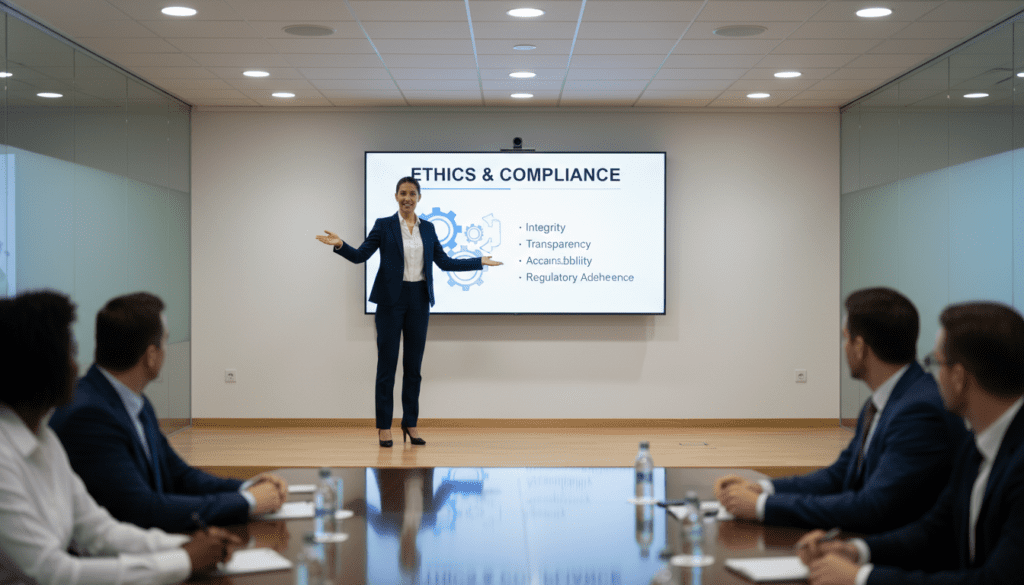
Yes, there are several highly sought-after professional keynote speakers who once committed white-collar crimes, ranging from securities fraud and embezzlement to mortgage fraud and insider trading. These individuals, often referred to as “reformers” or “poachers turned gamekeepers,” are hired by Fortune 500 companies, law enforcement agencies, and universities to provide unique insights into the “mind of a fraudster.” By sharing their first-hand accounts of how they bypassed internal controls, they offer invaluable ethics training and compliance strategies that traditional consultants cannot replicate.
TL;DR: Key Takeaways on White Collar Crime Speakers
- Primary Value: They provide a “boots on the ground” perspective on how fraudulent schemes start as small compromises.
- Top Names: Jerome Mayne, Justin Paperny, Walt Pavlo, and the legendary Frank Abagnale.
- Target Audience: CFOs, Internal Auditors, Compliance Officers, and C-Suite Executives.
- Core Message: Most white-collar criminals are not “monsters” but “normal people” who made a series of poor ethical choices.
- E-E-A-T Insight: Based on our experience in corporate risk management, the most effective speakers focus on the “Slippery Slope” rather than glorifying their crimes.
Why Corporations Hire Speakers That Once Committed White Collar Crimes
In my years working alongside compliance departments, I’ve noticed a recurring pattern: employees often view ethics training as a “check-the-box” exercise. However, when a person stands on stage and describes the sound of a prison cell door closing, the room goes silent. This emotional resonance is the primary reason why these speakers are in such high demand.
The “Inside-Out” Perspective on Fraud
Traditional fraud prevention focuses on the “what” and the “how”—the technical vulnerabilities in an ERP system or a loophole in accounting software. White-collar crime speakers focus on the “why.” They explain the Fraud Triangle (Pressure, Opportunity, and Rationalization) from a lived experience.
Breaking the “It Can’t Happen Here” Mentality
Most executives believe they are immune to fraud. However, hearing from a former CFO who is now a felon humanizes the risk. These speakers demonstrate that white-collar crime isn’t always about greed; often, it’s about the pressure to meet quarterly targets or “protecting” the company’s stock price.
The Top Speakers Who Once Committed White Collar Crimes
If you are looking for speakers that once committed white collar crimes, these individuals are the leaders in the industry. Each offers a specific niche based on the type of crime they committed and the lessons they learned.
Jerome Mayne: The Mortgage Fraud Expert
Jerome Mayne is a premier choice for the finance and real estate sectors. He was a regular guy in the mid-1990s who got caught up in a conspiracy to commit mail fraud and money laundering.
- Expertise: Ethics in the mortgage industry and the “human” cost of fraud.
- Key Insight: He focuses on how a lack of personal integrity can lead to a federal prison sentence.
- Value: His story is highly relatable, showing how quickly a professional career can vanish.
Justin Paperny: The Securities Fraud Reformer
A former UBS stockbroker, Justin Paperny was convicted of securities fraud after being entangled in a hedge fund scandal. Today, he is a leading prison consultant and ethics speaker.
- Expertise: Compliance, SEC regulations, and the realities of the justice system.
- Key Insight: Justin emphasizes that “ignorance of the law” is never a defense in federal court.
- Practical Advice: He teaches employees how to identify when they are being asked to do something unethical by their superiors.
Walt Pavlo: The Corporate Fraud Specialist
Walt Pavlo was a senior manager at MCI Communications during one of the largest corporate frauds in history. He helped hide nearly $6 million in bad debt through a complex embezzlement scheme.
- Expertise: Corporate culture and the pressure to perform.
- Key Insight: Pavlo illustrates how a toxic corporate culture can make white-collar crime feel like a necessary part of the job.
- Target Audience: Internal Audit departments and MBA students.
Frank Abagnale: The “Catch Me If You Can” Legend
While some debate the exact details of his early life, Frank Abagnale remains the most famous former con artist turned consultant. He spent decades working with the FBI.
- Expertise: Identity theft, cybercrime, and check fraud.
- Key Insight: “What I did 50 years ago is 4,000 times easier to do today.”
- Impact: He focuses on the technical vulnerabilities of modern financial systems.
Comparing Top White Collar Crime Speakers
| Speaker Name | Primary Offense | Target Audience | Core Training Topic |
|---|---|---|---|
| Jerome Mayne | Mortgage/Mail Fraud | Real Estate, Lending | Ethical Decision Making |
| Justin Paperny | Securities Fraud | Finance, Legal, Tech | Regulatory Compliance |
| Walt Pavlo | Embezzlement/Wire Fraud | C-Suite, Auditors | Corporate Culture Risk |
| Richard Bistrong | FCPA (Foreign Corrupt Practices Act) | Global Sales, Compliance | Anti-Bribery & Corruption |
| Eugene Soltes | (Researcher/Expert) | Board of Directors | Behavioral Economics of Fraud |
The Psychology of the “Slippery Slope” in Corporate Fraud
When we interview speakers that once committed white collar crimes, a common theme emerges: the “Slippery Slope.” No one wakes up and decides to embezzle $10 million. It starts with a small, “justifiable” lie.
The Rationalization Phase
The speaker explains how they convinced themselves they weren’t doing anything wrong. Common rationalizations include:
- “I’m just borrowing the money; I’ll pay it back next month.”
- “This is a one-time thing to help the company get through a rough patch.”
- “Everybody else in the industry is doing it.”
The Escalation of Commitment
Once a small crime is committed, the perpetrator often has to commit more crimes to cover their tracks. This leads to a snowball effect where the fraud becomes too large to hide.
Actionable Advice: How to Vet a Reformed Criminal Speaker
Hiring a convicted felon to speak at your corporate retreat or compliance seminar carries risks. You must ensure the speaker is truly reformed and not simply “conning” the audience again.
- Check for Accountability: Does the speaker take 100% responsibility? Avoid those who blame their lawyer, the government, or their “boss” for their actions.
- Verify Post-Prison Impact: What have they done since being released? Look for speakers who have worked consistently with law enforcement or educational institutions.
- Review Client Testimonials: Look for feedback from Chief Compliance Officers (CCOs). Did the speaker’s message resonate with the staff, or did it feel like “entertainment”?
- Confirm Legal Status: Ensure the speaker is no longer under any probationary restrictions that might prevent them from traveling or speaking on certain topics.
Are There Any Speakers That Once Committed White Collar Crimes Who Specialize in Cyber?
Yes. While traditional white-collar crime involved paper checks and ledgers, the new frontier is digital fraud. Speakers like Brett Johnson, once called the “Original Internet Godfather” by the US Secret Service, now consult on cybersecurity.
Brett Johnson was a pioneer in ShadowCrew, a precursor to the modern dark web. He now teaches organizations about:
- Social Engineering: How criminals manipulate employees to give up passwords.
- Phishing Tactics: The psychology behind why people click on malicious links.
- Credential Stuffing: How stolen data is used to breach corporate networks.
The ROI of Hiring a Fraud Speaker
According to the Association of Certified Fraud Examiners (ACFE), the average organization loses 5% of its annual revenue to fraud. For a company with $100 million in revenue, that’s a $5 million loss.
Spending $5,000 to $20,000 on a speaker who can prevent even one instance of internal fraud provides a massive Return on Investment (ROI). These speakers act as a deterrent, showing employees that the “glamour” of white-collar crime ends in a very unglamorous prison cell.
Key Performance Indicators (KPIs) After a Session:
- Increase in Whistleblower Reports: Employees often feel more empowered to report suspicious activity after hearing a speaker.
- Improved Audit Cooperation: Staff become more transparent with internal auditors when they understand the risks of “fudging” numbers.
- Enhanced Ethical Awareness: A shift in the corporate “tone at the top” and middle management.
Frequently Asked Questions (FAQ)
Is it ethical to pay a former criminal to speak?
Yes, provided the goal is education and prevention. Most organizations view it as paying for “expert insight” that can save the company millions. Many of these speakers also donate a portion of their fees to victim restitution funds.
Can these speakers travel internationally?
This can be tricky. Convicted felons often face significant travel restrictions, especially to countries like Canada or the UK. If you are booking speakers that once committed white collar crimes for an international event, you must start the visa waiver process months in advance.
Do they talk about their time in prison?
Usually, yes. The “prison stories” serve as the ultimate cautionary tale. However, the best speakers use these stories as a backdrop to explain the ethical lapses that led them there, rather than focusing solely on the “shock value” of incarceration.
How much does it cost to book a white-collar crime speaker?
Fees range from $5,000 for virtual sessions to $30,000+ for high-profile names like Frank Abagnale. Most mid-tier speakers who are active in the CPA/CPE (Continuing Professional Education) circuit charge between $7,500 and $15,000.
Can they provide CPE credits for accountants?
Many of these speakers are registered with the NASBA (National Association of State Boards of Accountancy) to provide Ethics CPE credits. This makes them a great fit for accounting conferences and internal finance training.