

Hearing a crackle, a muffled thump, or a harsh buzzing where your favorite music used to be is a frustrating experience for any audiophile or car owner. If you are wondering can blown speakers be fixed, the answer is a resounding yes in the majority of cases. Whether it is a vintage cabinet or a modern vehicle system, most audio drivers are modular and can be restored to their former glory with the right tools and patience.
Key Takeaways: Expert Summary
Feasibility: Most speakers are repairable unless the voice coil is completely melted or the magnet is cracked.
Common Issues: Most “blown” sounds are caused by a torn surround (foam rot) or a punctured cone.
Cost-Effectiveness: Repairing high-end or vintage speakers (like Technics) is significantly cheaper than replacing them.
Difficulty: Basic foam replacement is a “Medium” difficulty task, while re-coning is an “Advanced” DIY project.
How to Identify a Blown Speaker
Before diving into repairs, you must confirm the damage. A speaker is “blown” when the components that produce sound—the cone, voice coil, or surround—are physically damaged or electrically disconnected.
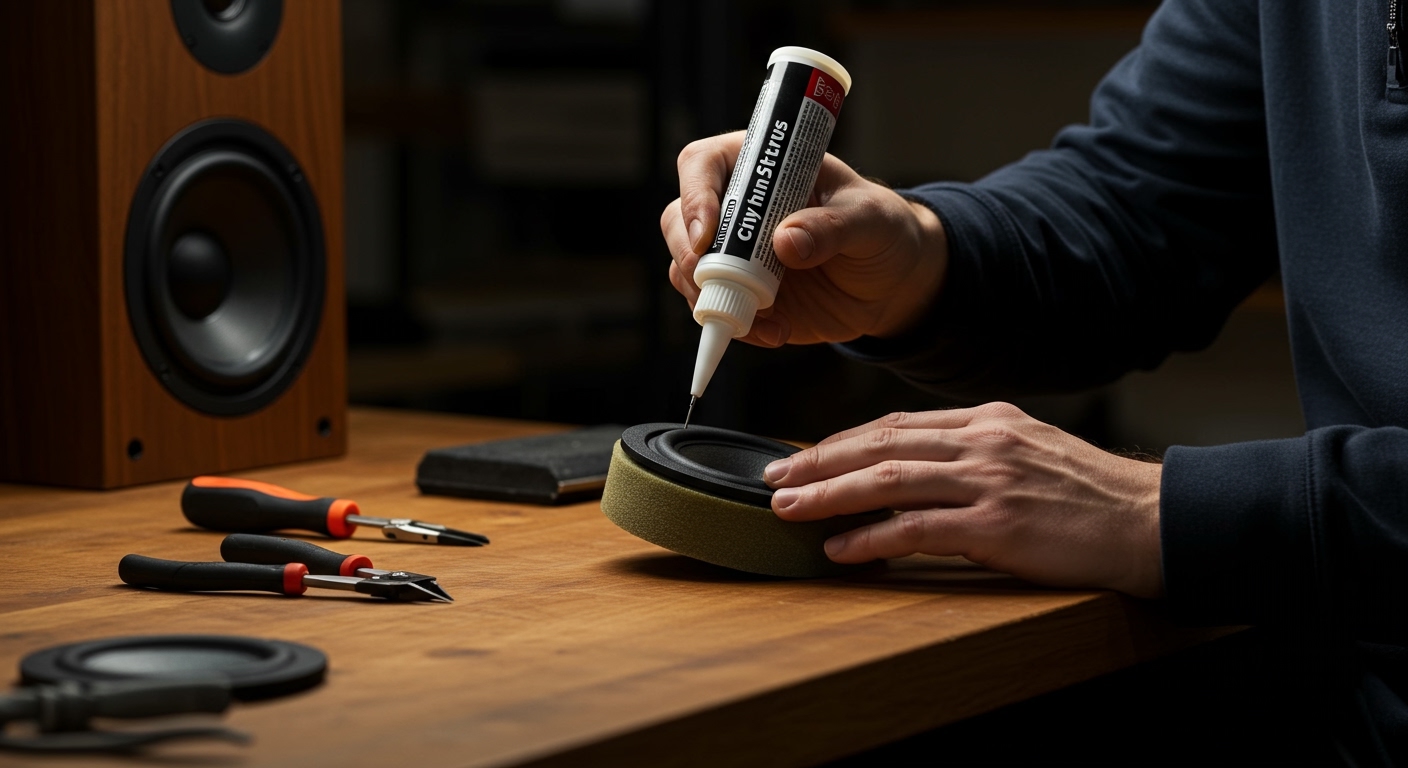
- The Listen Test: Play a track with a wide frequency range at low volume. Listen for scratching, rattling, or a “fuzzy” output.
- The Visual Inspection: Remove the speaker grille. Look for cracks in the cone or “foam rot” where the outer ring has crumbled away.
- The Battery Test: Briefly touch the terminals of a disconnected speaker to a 9V battery. A healthy speaker will make a “pop” and the cone will move. No movement usually means the voice coil is severed.
- Multimeter Reading: Set a multimeter to Ohms (Ω). A healthy 8-ohm speaker should read between 5 and 7 ohms. A reading of “0” or “Infinite” indicates a dead coil.
Tools and Materials Needed for Repair
Repairing audio equipment requires precision. Having a dedicated workspace with good lighting is essential for success.
| Tool/Material | Purpose | Necessity |
|---|---|---|
| Speaker Repair Kit | Includes new foam surrounds or cones | Essential |
| Rubbing Alcohol (90%+) | To clean old adhesive and foam residue | Essential |
| Specialized Speaker Glue | Flexible adhesive (usually nitrile or PVA) | Essential |
| Utility Knife/Razor | Scraping away old gaskets and glue | Essential |
| Microfiber Cloth | Cleaning the cone surface | Recommended |
| Screwdriver Set | Removing the speaker from its housing | Essential |
Step 1: Remove the Speaker from the Housing
Whether you are learning how to fix blown speakers in a car or a home theater system, the first step is extraction.
Disassembling Car Speakers
To learn how to fix blown speakers in your car, you usually need to remove the interior door panel. Use a plastic trim tool to pop the clips without scratching the paint. Once the panel is off, unscrew the speaker from the metal frame and unplug the wiring harness.
Disassembling TV or Computer Speakers
If you’re asking can blown computer speakers be fixed, the answer depends on the casing. Many modern computer speakers are “snap-fit” or glued. You may need a heat gun to soften the glue to reach the driver. For how to fix blown tv speakers, you must remove the back panel of the TV, which requires extreme caution regarding internal capacitors.
Step 2: Clean the Frame and Cone
You cannot apply new parts over old, crusty glue. This is where most DIY repairs fail.
- Scrape the Frame: Use a razor blade to remove the old foam and glue from the metal basket (the “frame”). It should be shiny and smooth.
- Clean the Cone Edge: Carefully scrape the residue off the outer edge of the cone. Be gentle—if you rip the paper cone here, you will need a full re-cone kit.
- Degrease: Use a cotton swab dipped in rubbing alcohol to wipe down all surfaces. This ensures the new adhesive bonds permanently.
Step 3: Apply the New Surround (Re-foaming)
This is the most common fix for people asking can you fix blown out speakers. The “surround” is the flexible ring that connects the cone to the frame.
- Dry Fit: Place the new foam ring on the speaker to ensure it fits perfectly.
- Glue to the Cone: Apply a thin bead of speaker glue to the inner lip of the foam. Press it onto the cone and let it tack up for 15-20 minutes.
- Center the Voice Coil: This is the most critical part. Gently move the cone up and down. It should move freely without any “rubbing” sound.
- Glue to the Frame: Apply glue to the outer lip of the foam and press it onto the metal frame. Use clothes pins or small clips to hold it in place while it cures.
Step 4: Fixing Punctures and Tears
If the cone itself is torn, you don’t always need a full replacement. Small punctures can be patched.
For Paper Cones: Use a small piece of coffee filter or tissue paper. Coat it in a 50/50 mix of wood glue and water. Apply it like a “band-aid” over the tear.
For Synthetic Cones: Use a flexible adhesive like E6000 or specialized rubber cement.
Expert Tip: Keep the patch as light as possible. Adding too much weight to the cone will change the speaker’s resonant frequency and muffle the sound.
How to Fix Blown Out Car Speakers Specifically
Car speakers endure extreme heat and humidity, which causes the glue to fail faster than home speakers. If you are wondering what to do if your car speakers blow out, consider these car-specific tips:
Check the Tinsel Leads: Sometimes the speaker isn’t blown; the thin wires (tinsel leads) connecting the terminals to the cone have just snapped due to vibration. These can be soldered back together.
Waterproofing: When repairing car speakers, ensure you use a nitrile-based adhesive. Standard white glue will dissolve in the humid environment inside a car door.
Are blown out car speakers unfixable? Only if the voice coil is “fried” (melted) due to excessive clipping from the amplifier. If you smell burning plastic, the speaker is likely toast.
Can Blown Computer and TV Speakers Be Fixed?
Smaller drivers present unique challenges. Because they are often 2-inch or 3-inch drivers, finding specific “re-foam kits” is difficult.
TV Speakers: Most blown tv speakers are fixed by replacing the entire driver module. These parts are usually cheap ($15-$30) on sites like eBay or encompass.
Computer Speakers: If you have high-end studio monitors, they can be re-foamed. If they are cheap plastic desktop speakers, the labor and glue cost more than a new pair.
When are Blown Speakers Unfixable?
While we’ve answered can you repair blown speakers with a “yes,” there are three scenarios where replacement is better than repair:
- Shifted Magnet: If the speaker was dropped and the heavy magnet shifted, it will pin the voice coil in place. This is almost impossible to center manually.
- Melted Voice Coil: If you pushed too much wattage into the speaker, the copper wire in the coil melts or deforms. This requires a “Re-cone,” which involves replacing everything except the metal basket.
- Extreme Corrosion: If the metal frame is rusted through or the spider (the yellow pleated fabric) is disintegrated, the structural integrity is gone.
How to Identify a Blown Speaker
Before diving into repairs, you must confirm the damage. A speaker is “blown” when the components that produce sound—the cone, voice coil, or surround—are physically damaged or electrically disconnected.
- The Listen Test: Play a track with a wide frequency range at low volume. Listen for scratching, rattling, or a “fuzzy” output.
- The Visual Inspection: Remove the speaker grille. Look for cracks in the cone or “foam rot” where the outer ring has crumbled away.
- The Battery Test: Briefly touch the terminals of a disconnected speaker to a 9V battery. A healthy speaker will make a “pop” and the cone will move. No movement usually means the voice coil is severed.
- Multimeter Reading: Set a multimeter to Ohms (Ω). A healthy 8-ohm speaker should read between 5 and 7 ohms. A reading of “0” or “Infinite” indicates a dead coil.
Tools and Materials Needed for Repair
Repairing audio equipment requires precision. Having a dedicated workspace with good lighting is essential for success.
| Tool/Material | Purpose | Necessity |
|---|---|---|
| Speaker Repair Kit | Includes new foam surrounds or cones | Essential |
| Rubbing Alcohol (90%+) | To clean old adhesive and foam residue | Essential |
| Specialized Speaker Glue | Flexible adhesive (usually nitrile or PVA) | Essential |
| Utility Knife/Razor | Scraping away old gaskets and glue | Essential |
| Microfiber Cloth | Cleaning the cone surface | Recommended |
| Screwdriver Set | Removing the speaker from its housing | Essential |
Step 1: Remove the Speaker from the Housing
Whether you are learning how to fix blown speakers in a car or a home theater system, the first step is extraction.
Disassembling Car Speakers
To learn how to fix blown speakers in your car, you usually need to remove the interior door panel. Use a plastic trim tool to pop the clips without scratching the paint. Once the panel is off, unscrew the speaker from the metal frame and unplug the wiring harness.
Disassembling TV or Computer Speakers
If you’re asking can blown computer speakers be fixed, the answer depends on the casing. Many modern computer speakers are “snap-fit” or glued. You may need a heat gun to soften the glue to reach the driver. For how to fix blown tv speakers, you must remove the back panel of the TV, which requires extreme caution regarding internal capacitors.
Step 2: Clean the Frame and Cone
You cannot apply new parts over old, crusty glue. This is where most DIY repairs fail.
- Scrape the Frame: Use a razor blade to remove the old foam and glue from the metal basket (the “frame”). It should be shiny and smooth.
- Clean the Cone Edge: Carefully scrape the residue off the outer edge of the cone. Be gentle—if you rip the paper cone here, you will need a full re-cone kit.
- Degrease: Use a cotton swab dipped in rubbing alcohol to wipe down all surfaces. This ensures the new adhesive bonds permanently.
Step 3: Apply the New Surround (Re-foaming)
This is the most common fix for people asking can you fix blown out speakers. The “surround” is the flexible ring that connects the cone to the frame.
- Dry Fit: Place the new foam ring on the speaker to ensure it fits perfectly.
- Glue to the Cone: Apply a thin bead of speaker glue to the inner lip of the foam. Press it onto the cone and let it tack up for 15-20 minutes.
- Center the Voice Coil: This is the most critical part. Gently move the cone up and down. It should move freely without any “rubbing” sound.
- Glue to the Frame: Apply glue to the outer lip of the foam and press it onto the metal frame. Use clothes pins or small clips to hold it in place while it cures.
Step 4: Fixing Punctures and Tears
If the cone itself is torn, you don’t always need a full replacement. Small punctures can be patched.
For Paper Cones: Use a small piece of coffee filter or tissue paper. Coat it in a 50/50 mix of wood glue and water. Apply it like a “band-aid” over the tear.
For Synthetic Cones: Use a flexible adhesive like E6000 or specialized rubber cement.
Expert Tip: Keep the patch as light as possible. Adding too much weight to the cone will change the speaker’s resonant frequency and muffle the sound.
How to Fix Blown Out Car Speakers Specifically
Car speakers endure extreme heat and humidity, which causes the glue to fail faster than home speakers. If you are wondering what to do if your car speakers blow out, consider these car-specific tips:
Check the Tinsel Leads: Sometimes the speaker isn’t blown; the thin wires (tinsel leads) connecting the terminals to the cone have just snapped due to vibration. These can be soldered back together.
Waterproofing: When repairing car speakers, ensure you use a nitrile-based adhesive. Standard white glue will dissolve in the humid environment inside a car door.
Are blown out car speakers unfixable? Only if the voice coil is “fried” (melted) due to excessive clipping from the amplifier. If you smell burning plastic, the speaker is likely toast.
Can Blown Computer and TV Speakers Be Fixed?
Smaller drivers present unique challenges. Because they are often 2-inch or 3-inch drivers, finding specific “re-foam kits” is difficult.
TV Speakers: Most blown tv speakers are fixed by replacing the entire driver module. These parts are usually cheap ($15-$30) on sites like eBay or encompass.
Computer Speakers: If you have high-end studio monitors, they can be re-foamed. If they are cheap plastic desktop speakers, the labor and glue cost more than a new pair.
When are Blown Speakers Unfixable?
While we’ve answered can you repair blown speakers with a “yes,” there are three scenarios where replacement is better than repair:
- Shifted Magnet: If the speaker was dropped and the heavy magnet shifted, it will pin the voice coil in place. This is almost impossible to center manually.
- Melted Voice Coil: If you pushed too much wattage into the speaker, the copper wire in the coil melts or deforms. This requires a “Re-cone,” which involves replacing everything except the metal basket.
- Extreme Corrosion: If the metal frame is rusted through or the spider (the yellow pleated fabric) is disintegrated, the structural integrity is gone.
Pro Tips for a Professional Result
Use a Sine Wave: When gluing the outer ring, play a 30Hz tone through the speaker at a very low volume. This vibration naturally centers the voice coil, preventing “coil rub.”
Don’t Rush the Glue: Wait at least 24 hours before playing music. Playing it too early will pull the foam out of alignment.
- Check the Amp: Often, speakers blow because the amplifier is “clipping” (sending a distorted signal). If you fix the speaker but don’t fix the settings on your head unit, you’ll blow them again in a week.
FAQ: Can Blown Speakers Be Fixed?
Can you fix technics speakers if blown out?
Yes. Technics speakers are highly regarded by collectors. Because they use high-quality magnets and frames, they are excellent candidates for re-foaming. Kits are widely available for classic models like the SB-7000 or the Honeycomb series.
Are blown out speakers unfixable if they don’t move at all?
Not necessarily. If the cone won’t move when pushed gently, the voice coil may be stuck or melted. However, a professional “re-cone” service can still fix this by replacing the entire internal assembly.
How much does it cost to fix a blown speaker?
A DIY foam repair kit usually costs between $20 and $40. Professional repair services typically charge $60 to $150 per driver, depending on the size and complexity.
Can you fix blown out computer speakers with tape?
No. Using duct tape or scotch tape to fix a tear will add too much weight and stiffness. It might stop the rattling temporarily, but it will significantly degrade the sound quality and eventually peel off.
Is it worth fixing car speakers or should I buy new ones?
If you have factory (OEM) speakers, it is usually better to upgrade to aftermarket speakers. However, if you have high-end aftermarket brands like Focal, JL Audio, or Morel, repairing them is much more cost-effective than buying new ones.
Conclusion
The question of can blown speakers be fixed is usually a matter of “how much effort are you willing to put in?” For most audio enthusiasts, a $25 repair kit and an afternoon of work can save a $500 set of speakers. By following the steps of diagnosis, cleaning, and careful re-foaming, you can eliminate distortion and bring the clarity back to your audio system. If the damage is purely physical—like a rotted surround or a small tear—don’t throw them away. Grab some adhesive and a repair kit, and give your speakers a second life.









