

Can Speakers Be Damaged by Cold? The Definitive Guide to Protecting Your Audio Gear
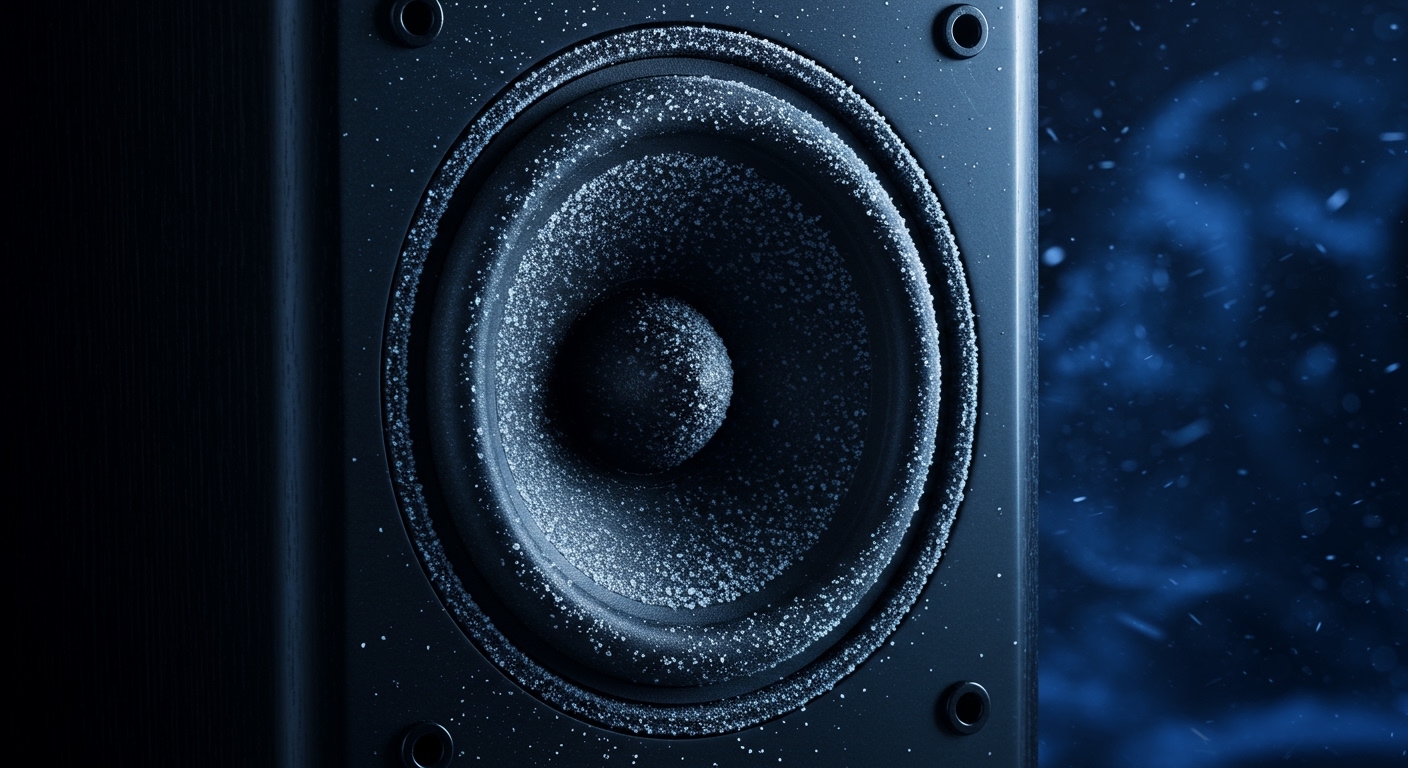
Can speakers be damaged by cold? Yes, extreme cold can cause permanent damage to speakers by making flexible parts like rubber surrounds and cones brittle, causing adhesives to fail, and creating lethal condensation that shorts out internal electronics. While most speakers can survive moderate chill, exposing high-end audio equipment to freezing temperatures without proper precautions is a recipe for hardware failure.
🚀 Key Takeaways: Expert Summary
Physical Damage: Cold temperatures (below 32°F/0°C) cause rubber surrounds and polymer cones to lose elasticity, leading to cracks if played immediately.
Condensation Risk: Moving a cold speaker into a warm room creates moisture on the voice coil and circuit board, which can cause an electrical short.
Storage Rule: If you must store speakers in the cold, use airtight containers with desiccant packs and never power them on until they reach room temperature.
Transport Tip: When stereo speakers are transported in freezing cold temperatures, allow at least 6–12 hours of “acclimatization” before use.
Understanding How Cold Affects Speaker Components
Before diving into the steps to protect your gear, you must understand does cold affect speakers on a molecular level. Speakers are mechanical devices that rely on the fluid movement of parts.
The Impact on Moving Parts
Most modern speakers use butyl rubber or foam for the surround (the ring connecting the cone to the basket). In sub-freezing temperatures, these materials undergo a “glass transition,” where they become stiff and brittle. If you play music while the surround is frozen, the rapid vibration can cause the material to snap or tear.
The Danger to Tweeters
Many high-end tweeters use ferrofluid for cooling and damping. In extreme cold, this fluid thickens or even freezes, significantly altering the frequency response and potentially damaging the delicate voice coil.
Adhesives and Glues
Manufacturers use specific epoxies to bond the spider, voice coil, and magnet. Extreme cold causes these materials to contract at different rates, which can lead to the glue joints “popping” or separating entirely.
Step 1: Prepare Your Speakers for Cold Weather Storage
If you are wondering can speakers be stored in the cold, the answer is yes, but only if they are powered off and properly shielded. Follow these steps to ensure your gear survives the winter in a garage or storage unit.
Clean and Dry the Units
Before packing, wipe down the cabinets with a microfiber cloth. Any existing moisture on the surface can freeze and expand, damaging the wood veneer or MDF (Medium Density Fiberboard) casing.
Use Vapor Barriers
Wrap each speaker tightly in plastic stretch wrap or place them in heavy-duty plastic bags. This prevents humid air from reaching the internal components when temperatures fluctuate.
Add Desiccants
Place several silica gel packets inside the plastic wrapping. These packets absorb any residual moisture, preventing mold growth and corrosion on the copper wire of the voice coils.
Can Speakers Be Damaged by Cold? The Definitive Guide to Protecting Your Audio Gear
Can speakers be damaged by cold? Yes, extreme cold can cause permanent damage to speakers by making flexible parts like rubber surrounds and cones brittle, causing adhesives to fail, and creating lethal condensation that shorts out internal electronics. While most speakers can survive moderate chill, exposing high-end audio equipment to freezing temperatures without proper precautions is a recipe for hardware failure.
🚀 Key Takeaways: Expert Summary
Physical Damage: Cold temperatures (below 32°F/0°C) cause rubber surrounds and polymer cones to lose elasticity, leading to cracks if played immediately.
Condensation Risk: Moving a cold speaker into a warm room creates moisture on the voice coil and circuit board, which can cause an electrical short.
Storage Rule: If you must store speakers in the cold, use airtight containers with desiccant packs and never power them on until they reach room temperature.
Transport Tip: When stereo speakers are transported in freezing cold temperatures, allow at least 6–12 hours of “acclimatization” before use.
Understanding How Cold Affects Speaker Components
Before diving into the steps to protect your gear, you must understand does cold affect speakers on a molecular level. Speakers are mechanical devices that rely on the fluid movement of parts.
The Impact on Moving Parts
Most modern speakers use butyl rubber or foam for the surround (the ring connecting the cone to the basket). In sub-freezing temperatures, these materials undergo a “glass transition,” where they become stiff and brittle. If you play music while the surround is frozen, the rapid vibration can cause the material to snap or tear.
The Danger to Tweeters
Many high-end tweeters use ferrofluid for cooling and damping. In extreme cold, this fluid thickens or even freezes, significantly altering the frequency response and potentially damaging the delicate voice coil.
Adhesives and Glues
Manufacturers use specific epoxies to bond the spider, voice coil, and magnet. Extreme cold causes these materials to contract at different rates, which can lead to the glue joints “popping” or separating entirely.
Step 1: Prepare Your Speakers for Cold Weather Storage
If you are wondering can speakers be stored in the cold, the answer is yes, but only if they are powered off and properly shielded. Follow these steps to ensure your gear survives the winter in a garage or storage unit.
Clean and Dry the Units
Before packing, wipe down the cabinets with a microfiber cloth. Any existing moisture on the surface can freeze and expand, damaging the wood veneer or MDF (Medium Density Fiberboard) casing.
Use Vapor Barriers
Wrap each speaker tightly in plastic stretch wrap or place them in heavy-duty plastic bags. This prevents humid air from reaching the internal components when temperatures fluctuate.
Add Desiccants
Place several silica gel packets inside the plastic wrapping. These packets absorb any residual moisture, preventing mold growth and corrosion on the copper wire of the voice coils.
Step 2: Safe Transportation in Freezing Temperatures
You might need to move house or transport gear for a gig. Can stereo speakers be transported in freezing cold temperatures? Yes, but the packaging is your first line of defense.
Double-Boxing Method
- Inner Layer: Use the original factory foam inserts if available.
- Thermal Buffer: Wrap the inner box in moving blankets or bubble wrap to provide thermal insulation.
- Outer Layer: Place the assembly into a larger corrugated cardboard box.
Avoid Direct Contact with Vehicle Floors
When placing speakers in a van or car, keep them off the cold metal floor. Use a wooden pallet or thick blankets to create a thermal break between the vehicle’s body and the speaker cabinet.
Step 3: The “Golden Rule” of Acclimatization
This is the most critical step. Most damage occurs not during the cold exposure itself, but during the warming-up process.
The 24-Hour Rule
If your speakers have been in a car or unheated warehouse overnight, do not plug them in immediately. Bring them into the warm room and leave them in their boxes for at least 6 to 12 hours (24 hours is safer for large subwoofers).
Dealing with Condensation
When cold metal and plastic meet warm, humid air, “dew” forms instantly. This moisture can settle inside the amplifier or on the crossover network. Powering on a “sweating” speaker can lead to an immediate electrical short-circuit.
Gradual Warming
If possible, move the speakers to a “buffer zone” first, such as a hallway or a basement that is cooler than the main living area, before bringing them into a room with a fireplace or heater.
Step 4: Post-Cold Inspection and First Play
Once the speakers have reached room temperature, you need to verify their integrity before cranking the volume.
Visual Surround Check
Gently feel the rubber surround. It should feel supple and soft. If it feels stiff or “crunchy,” it hasn’t warmed up enough.
The Low-Volume Test
Start by playing pink noise or a simple acoustic track at a very low volume (barely audible). Listen for:
Scratching sounds: Could indicate a misaligned voice coil due to contraction.
Muffled highs: Could indicate frozen ferrofluid in the tweeter.
Rattling: Could indicate a loosened glue joint in the cabinet.
Required Tools and Materials for Cold Protection
| Tool/Material | Purpose | Expert Recommendation |
|---|---|---|
| Silica Gel Packs | Absorbs internal moisture | 50g industrial grade packs |
| Plastic Stretch Wrap | Creates a vapor barrier | 80-gauge moving wrap |
| Moving Blankets | Thermal insulation | Quilted cotton/polyester blends |
| Hygrometer | Monitors humidity levels | Digital Govee or similar |
| Microfiber Cloths | Pre-storage cleaning | High-GSM lint-free cloths |
Expert Pro Tips for Winter Audio Care
Car Audio Warning: If you have a high-end car stereo, is it bad to leave speakers in the cold? Yes. During winter, always drive for 10–15 minutes with the heater on before turning your volume above 25%. This allows the car’s interior air to warm the speaker surrounds.
Outdoor Speakers: If you have permanent outdoor speakers, look for those rated with IP66 or higher. These are designed with UV-stabilized plastics and silicone-treated surrounds that resist cold-cracking.
Avoid “Quick Thaws”: Never use a hair dryer or space heater to speed up the warming process of a speaker. Rapid temperature changes cause uneven expansion, which can crack the wooden cabinet or the ceramic magnets.
Common Mistakes to Avoid
Leaving Gear in the Trunk: Many people ask, “can you leave speakers in the cold overnight?” While the electronics might survive, the constant “freeze-thaw” cycle of a car parked outside will eventually degrade the adhesive bonds.
Ignoring Humidity: Cold air is dry, but when you heat it up, it becomes “thirsty” for moisture. Using a humidifier in your listening room is great for your health but can be dangerous for cold gear just brought inside.
- Powering on Too Soon: This is the #1 cause of “dead on arrival” gear during winter shipping. Patience is your cheapest insurance policy.
Frequently Asked Questions
(FAQs)
Can cold damage speakers if they aren’t turned on?
While the risk is lower when powered off, can cold damage speakers even then? Yes. Extreme cold can cause “spider” sagging, cracked surrounds, and weakened glue joints. However, the most significant risk remains the condensation that forms when you eventually bring them back into the heat.
Is it bad to leave speakers in the cold garage?
Is it bad to leave speakers in the cold for long periods? Generally, yes. Garages often have high humidity fluctuations. If the temperature drops below freezing regularly, the materials in the speaker will undergo stress from constant expansion and contraction, leading to a shorter lifespan.
Can you store speakers in the cold if they are in a climate-controlled box?
If you use an insulated, airtight container with moisture absorbers, can you store speakers in the cold safely? Yes. The goal is to keep the environment stable and bone-dry. The cold itself is less of a problem than the moisture and rapid temperature shifts.
Does cold affect speakers’ sound quality permanently?
In most cases, does cold affect speakers permanently? No, provided you don’t play them while they are frozen. Once they return to room temperature, the materials regain their original physical properties. However, if the cold causes a crack in the surround, that damage is permanent and will require a recone or replacement.
Conclusion
Protecting your audio investment during winter is all about managing temperature transitions and moisture. Whether you were wondering can speakers get cold or if you can you leave speakers in the cold during a move, the answer always comes down to the “Acclimatization Rule.”
By following the step-by-step guide of wrapping, insulating, and slowly warming your gear, you can ensure that your speakers provide high-fidelity sound for decades, regardless of how low the mercury drops outside. Always wait for the sweat to dry before you hit play.









