

If you are wondering, do speakers sound better without grills, the short answer is yes—most high-fidelity speakers offer slightly better high-frequency clarity and wider soundstage imaging when the grills are removed. Because high-frequency sound waves are delicate and directional, even thin acoustic fabric and plastic grill frames can cause minor treble attenuation and acoustic diffraction.
However, the difference is often subtle, and whether you should remove them depends entirely on your specific listening environment, speaker brand, and household risks. Some vintage speakers are even voiced by manufacturers to sound optimal with the grills attached.
In this comprehensive guide, I will walk you through the science of speaker grills, how to safely remove them, and exactly how to test your own system to find your acoustic sweet spot.
📌 TL;DR / Key Takeaways
- Acoustic Transparency: Most standard speaker grills roll off high frequencies above 10 kHz by 1 to 2 decibels.
- Diffraction Issues: Thick plastic or wooden grill frames can bounce sound waves, muddying stereo imaging.
- Bass Remains Unaffected: Low-frequency bass waves easily pass through grills; only midrange and treble are audibly impacted.
- Manufacturer Intent: Modern brands like KEF and Bowers & Wilkins design speakers to be played without grills, while classic models like the BBC LS3/5a require them.
- Protection vs. Performance: Always weigh the marginal 1-2% increase in audio fidelity against the risk of pets, dust, or children damaging your exposed speaker cones.
The Audiophile Truth: Do Speakers Sound Better Without Grills?
To understand if do speakers sound better without grills, we first have to look at the physics of sound wave propagation. Sound waves travel by displacing air molecules, and any physical barrier placed in front of a driver will alter that wave’s path.
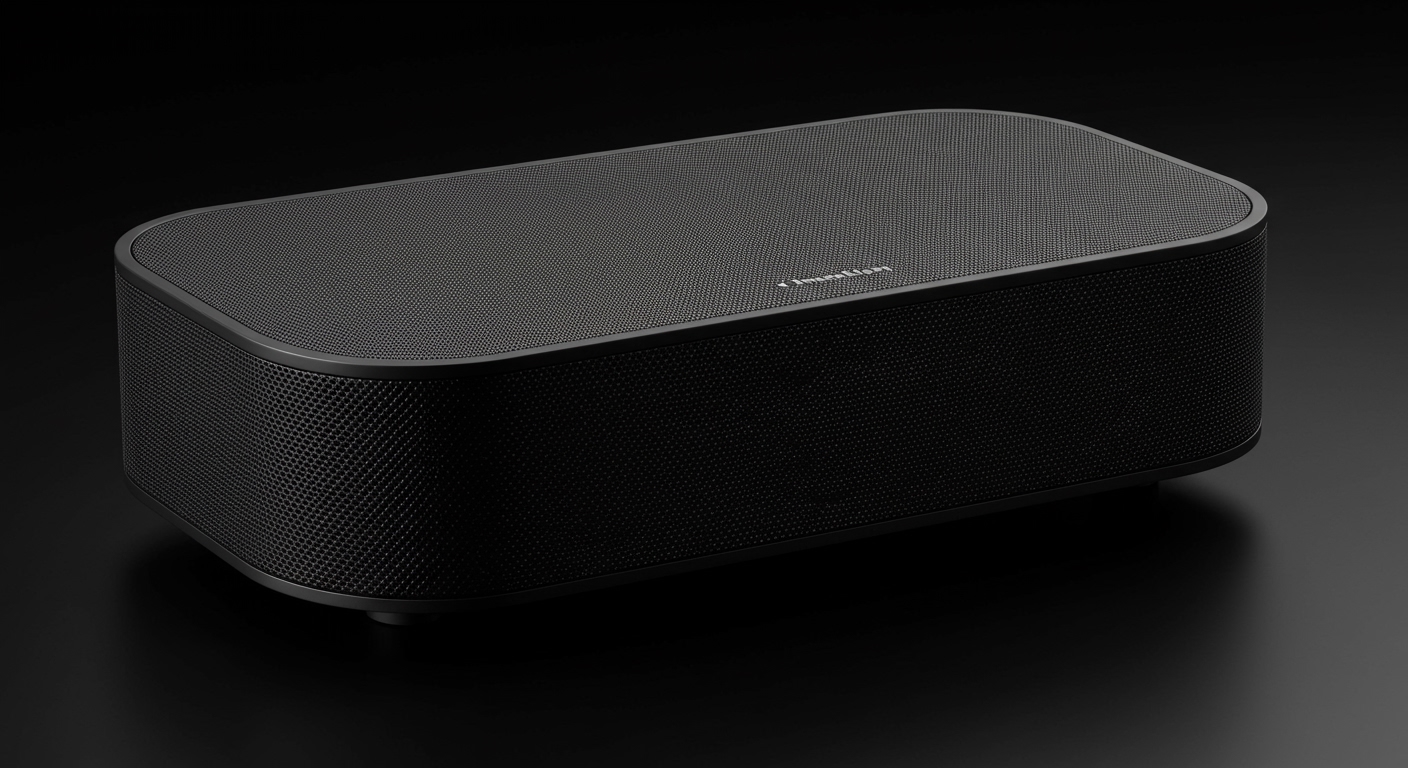
As an audio technician, I have spent countless hours measuring frequency responses in treated rooms. The data consistently shows that grills impact sound in two primary ways: attenuation and diffraction.
High-Frequency Attenuation
Low-frequency bass waves (produced by your woofers) are massive and powerful. They pass right through speaker fabric as if it were invisible. However, high-frequency waves (produced by your tweeters) are incredibly short and fragile.
When a high-frequency wave hits the fabric of a speaker grill, a small percentage of that acoustic energy is absorbed. This results in a slight “roll-off” or dampening in the upper treble region. If you feel your cymbals or string instruments lack a certain “sparkle” or “air,” the grill fabric is likely the culprit.
The Problem with Edge Diffraction
While the fabric absorbs sound, the actual frame holding the fabric causes a different issue entirely: edge diffraction. Many budget and mid-tier speakers use thick plastic or MDF frames to stretch the grill cloth.
When sound leaves the tweeter, it immediately hits the inner edge of this frame. The sound wave scatters, creating miniature secondary sound waves that collide with the primary wave. This phenomenon smears the phase alignment, making the soundstage feel narrow and less precise.
Comparing Grill Materials and Their Acoustic Impact
Not all speaker grills are created equal. The material used by the manufacturer dictates exactly how much audio degradation you will experience.
Below is a breakdown of common speaker grill designs and their typical impact on sound quality.
| Grill Frame Material | Fabric/Mesh Type | Acoustic Impact Level | Best Use Case |
|---|---|---|---|
| Thin MDF/Wood | Standard Speaker Cloth | Moderate (Treble roll-off & diffraction) | Budget home theater setups. |
| Slim Plastic Matrix | Spandex / Lycra blend | Low to Moderate (Minimal diffraction) | Mid-range Hi-Fi listening. |
| Metal Mesh (Perforated) | None (Bare metal) | High (Can cause metallic ringing/resonance) | PA systems, car audio, outdoor. |
| Frameless Magnetic | Ultra-sheer Mellotone | Very Low (Virtually acoustically transparent) | High-end audiophile towers. |
How to Safely Remove Different Types of Speaker Grills
Before you can determine if do speakers sound better without grills in your own living room, you must know how to remove them without damaging the speaker cabinet or the delicate drivers.
I have seen many audiophiles accidentally puncture a Kevlar cone or scratch a beautiful piano-gloss finish by using improper removal techniques. Follow these steps based on your grill type.
Removing Magnetic Grills
Modern premium speakers, such as those from Monitor Audio or Focal, utilize hidden magnetic grills. These are the easiest and safest to remove.
- Gently place your fingertips on the outside edges of the grill frame.
- Pull straight back toward your body.
- Do not twist or slide the grill, as the embedded magnets can scratch the cabinet finish if dragged.
Removing Peg-and-Grommet Grills
This is the most common mounting style, found on brands like Klipsch, Polk Audio, and older JBL models. They use plastic pegs attached to the grill that slide into rubber grommets on the speaker face.
- Start at the bottom corners of the speaker.
- Gently pry one bottom corner loose, pulling it out about half an inch.
- Move to the other bottom corner and do the same.
- Slowly work your way up the sides to the top corners.
- Pro Tip: If a peg feels stuck, never use a metal flathead screwdriver. Instead, use a plastic automotive trim removal tool to gently pry it loose without denting the wood veneer.
Removing Fixed or Screwed Grills
Some studio monitors or vintage cabinets have grills that are permanently glued, stapled, or screwed into the baffle.
- Inspect the perimeter of the grill for hidden Phillips-head or hex screws.
- If screws are present, carefully back them out while holding the grill to prevent it from dropping onto the woofers.
- If the grill is glued or stapled, do not attempt to remove it. These speakers were fundamentally designed to operate with the grill permanently attached, and removing it will damage the speaker.
How to Test: Do Speakers Sound Better Without Grills in Your Room?
Reading about acoustic theory is great, but audio is highly subjective. You need to conduct a structured test in your own listening environment to hear the difference.
Here is my professional step-by-step methodology for A/B testing your speaker grills.
Step 1: Prepare Your Listening Environment
Ensure your room is set up exactly as you normally listen. Close the curtains, position your listening chair in the “sweet spot” (forming an equilateral triangle with your two speakers), and ensure background noise is minimized.
Step 2: Select High-Resolution Reference Tracks
You cannot test treble clarity and soundstage with a low-quality MP3 or a bass-heavy EDM track. You need lossless, high-resolution audio (via Tidal, Qobuz, or FLAC files) that features complex high-frequency details.
I highly recommend these tracks for grill testing:
- “Aja” by Steely Dan: Pay strict attention to the decay of the cymbals and the crispness of the snare drum.
- “Keith Don’t Go” (Acoustic Live) by Nils Lofgren: Listen to the aggressive acoustic guitar plucks and the ambient echoes of the live venue.
- “Random Access Memories” by Daft Punk: Focus on the separation between the synthetic highs and the deep, driving bass.
Step 3: Conduct a Blind A/B Listening Test
To avoid placebo effects, ask a friend or family member to help you. Have them sit near the speakers while you sit in the listening position with your eyes closed.
- Listen to a 30-second snippet of your reference track with the grills ON.
- Have your assistant remove the grills in silence.
- Listen to the exact same 30-second snippet with the grills OFF.
- Repeat this process randomly, having your assistant note whether the grills were on or off. See if you can accurately identify the open, “grill-less” sound.









