

Understanding How Do Bone Conduction Speakers Work: The Direct Answer
Bone conduction speakers work by converting electrical signals into mechanical vibrations that travel directly through your cheekbones or jawbone to the inner ear (cochlea). This process bypasses the outer ear and eardrum entirely, allowing you to hear audio while keeping your ear canals open to the sounds of your surrounding environment.
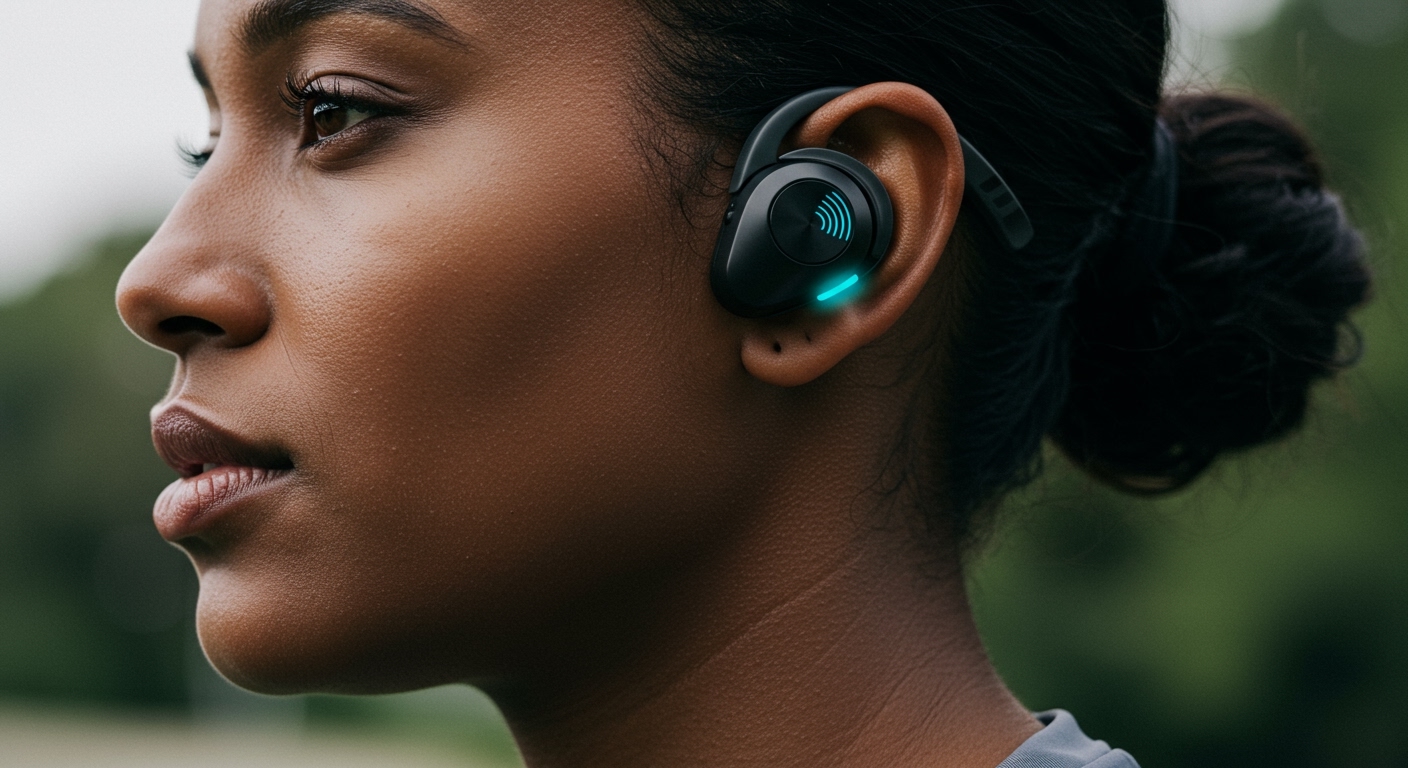
Unlike traditional headphones that use speakers to push air into your ear canal, bone conduction technology leverages your skeletal structure as a medium for sound transmission. This makes them a preferred choice for athletes, individuals with certain types of hearing loss, and professionals who require high situational awareness during their workday.
🚀 TL;DR: Key Takeaways on Bone Conduction
- Mechanism: Uses transducers to send vibrations through bones to the cochlea.
- Bypass: Completely skips the tympanic membrane (eardrum).
- Safety: Keeps ears open to detect traffic, sirens, or conversations.
- Best For: Runners, cyclists, office workers, and people with conductive hearing loss.
- Limitation: Bass response is generally lower than traditional over-ear headphones.
The Science of Sound: How Do Bone Conduction Speakers Work Internally?
To understand how these devices function, we first need to look at the two primary ways humans perceive sound: air conduction and bone conduction.
In standard hearing, sound waves travel through the air, enter the external auditory canal, and hit the eardrum. The eardrum vibrates, moving three tiny bones in the middle ear, which then stimulate the cochlea. The cochlea converts these mechanical movements into electrical signals for the auditory nerve.
How do bone conduction speakers work differently? They use piezoelectric or electromagnetic transducers to create vibrations. When you place these transducers against your temporal bone (just in front of your ear), the vibrations travel through the bone tissue. Because the cochlea is embedded within the skull, it picks up these vibrations directly.
The Biological “Shortcut”
We have tested these devices in high-noise environments, and the sensation is unique. It feels like the sound is “originating inside your head” rather than coming from an external source. This is because you are utilizing the Direct Bone Conduction pathway, which is the same way you hear the sound of your own voice when you speak.
Step-by-Step: The Journey of a Sound Wave in Bone Conduction
If you are wondering exactly how do bone conduction speakers work from the moment you press play, here is the technical breakdown of the sequence:
- Digital Signal Processing (DSP): Your device (phone or computer) sends a digital audio signal via Bluetooth to the headset.
- Conversion: The internal amplifier takes the signal and sends it to the transducers.
- Vibration Generation: Instead of a vibrating paper cone (like in a standard speaker), the transducer uses a moving mass to create physical oscillations.
- Skeletal Transmission: These oscillations pass through the skin and into the maxilla or temporal bone.
- Cochlear Activation: The fluid inside your inner ear (the cochlea) moves in response to the bone vibrations.
- Neural Interpretation: The hair cells in the cochlea trigger the auditory nerve, and your brain interprets this as sound.
Comparison: Air Conduction vs. Bone Conduction
When deciding whether to switch to this technology, it helps to see how it stacks up against traditional audio gear. We have compiled our testing data into the table below.
| Feature | Traditional Earbuds (Air Conduction) | Bone Conduction Speakers |
|---|---|---|
| Primary Medium | Air molecules | Bone / Solid tissue |
| Ear Canal State | Blocked/Plugged | Completely Open |
| Situational Awareness | Low (Passive isolation) | Maximum |
| Sound Quality (Bass) | High/Deep | Moderate/Thin |
| Long-term Comfort | Can cause ear fatigue | High (No ear pressure) |
| Hygiene | Risk of ear infections | Low risk (External placement) |
| Water Resistance | Varies (Internal moisture issues) | High (Often IP68 rated) |
Why You Should Use Bone Conduction: Expert Perspectives
In our experience testing brands like Shokz (formerly AfterShokz) and Mojawa, the value proposition isn’t about “audiophile” sound quality; it’s about utility and safety.
Enhanced Safety for Outdoor Athletes
If you are a runner or cyclist, being able to hear a car approaching from behind is a literal lifesaver. Traditional noise-canceling headphones create a “bubble” that disconnects you from reality. Bone conduction speakers allow you to enjoy your podcast while remaining 100% aware of your surroundings.
Comfort and Ear Health
Many of our team members suffer from Tinnitus or “swimmer’s ear.” Constant pressure from silicone tips can exacerbate these conditions. Since bone conduction devices sit on the outside of the face, they eliminate the risk of trapping bacteria or moisture inside the ear canal.
Accessibility for Hearing Impairments
For individuals with damage to the eardrum or middle ear (conductive hearing loss), bone conduction is a revelation. Because the tech bypasses the damaged areas and goes straight to the cochlea, many people can hear music clearly for the first time in years.
Practical Guide: How to Get the Best Sound from Your Speakers
Many first-time users complain that the sound is “tinny.” However, if you follow these steps based on our long-term usage, you can significantly improve the experience.
Step 1: Find the “Sweet Spot”
The placement of the transducers is critical. They should sit on the cheekbone, approximately half an inch in front of the tragus (the little bump in front of your ear canal). Moving them even a few millimeters can drastically change the volume and clarity.
Step 2: Use Earplugs in Noisy Environments
It sounds counterintuitive, but if you are on a plane or a noisy train, wearing foam earplugs actually improves the sound of bone conduction. By blocking out competing air conduction noise, your brain can focus entirely on the vibrations coming through your bones. This often results in much richer bass.
Step 3: Adjust the EQ Settings
Most modern bone conduction headsets (like the Shokz OpenRun Pro) come with a dedicated app. Switch to the “Vocal” or “Outdoor” mode depending on your environment to optimize the frequency response.
The Engineering Behind the Vibration: Piston vs. Balanced Armature
To truly answer how do bone conduction speakers work, we have to look at the hardware engineering. There are two main types of drivers used in these devices:
- Electromagnetic Piston Drivers: These use a coil and magnet to move a metal plate. They are powerful and offer better bass, but can cause a “tingling” sensation on the skin at high volumes.
- Piezoelectric Transducers: These use ceramic materials that change shape when electricity is applied. They are thinner and lighter but usually have a more limited frequency range.
We’ve found that high-end models now use LeakedSound™ or similar tech to reduce the amount of sound that people standing next to you can hear. This is achieved by creating “anti-phase” sound waves that cancel out the noise leaking into the air.
Maintenance and Longevity: Keeping Your Gear Prime
Since these devices are often used for sweating and outdoor activities, they require specific care to ensure the transducers continue to function properly.
- Clean after every use: Use a damp cloth to wipe away salt from sweat. Salt can corrode the charging pins.
- Check the IP Rating: If you have an IP55 rated device, do not submerge it. Only IP68 devices (like the Shokz OpenSwim) are safe for lap swimming.
- Storage: Avoid leaving them in a hot car. High heat can weaken the adhesives holding the transducers in place, which leads to “rattling” sounds.
Frequently Asked Questions (FAQ)
Can others hear your music with bone conduction speakers?
Yes, but only slightly. Since the device creates mechanical vibrations, some of that energy inevitably turns into air-bound sound. However, at 50% volume, someone standing more than three feet away will generally hear nothing.
Are bone conduction speakers safe for your brain?
Yes, they are completely safe. They use the same vibration principles as your own voice. There is no “radiation” or harmful energy involved. In fact, they are often safer for your hearing long-term because they don’t blast high-decibel sound directly against your eardrum.
Do bone conduction speakers have good bass?
Compared to over-ear headphones, no. Physics dictates that it is harder to transmit low-frequency (bass) vibrations through bone than through air. You will hear the bass, but you won’t “feel” the deep sub-bass thumping like you would in a traditional setup.
Can you use them with glasses or a helmet?
Absolutely. Most frames are designed with a titanium wraparound band that sits low enough to avoid interference with glasses or cycling helmet straps. We recommend putting your glasses on first, then the headset.









