

Understanding How Many Russian Speakers in Estonia Today
As of the latest data from Statistics Estonia (Statistikaamet) and the 2021 census updates, there are approximately 315,000 to 320,000 native Russian speakers in Estonia, which accounts for roughly 23.7% to 24% of the total population. While the majority are ethnic Russians, this group also includes Ukrainians, Belarusians, and other minorities who use Russian as their primary language of communication.
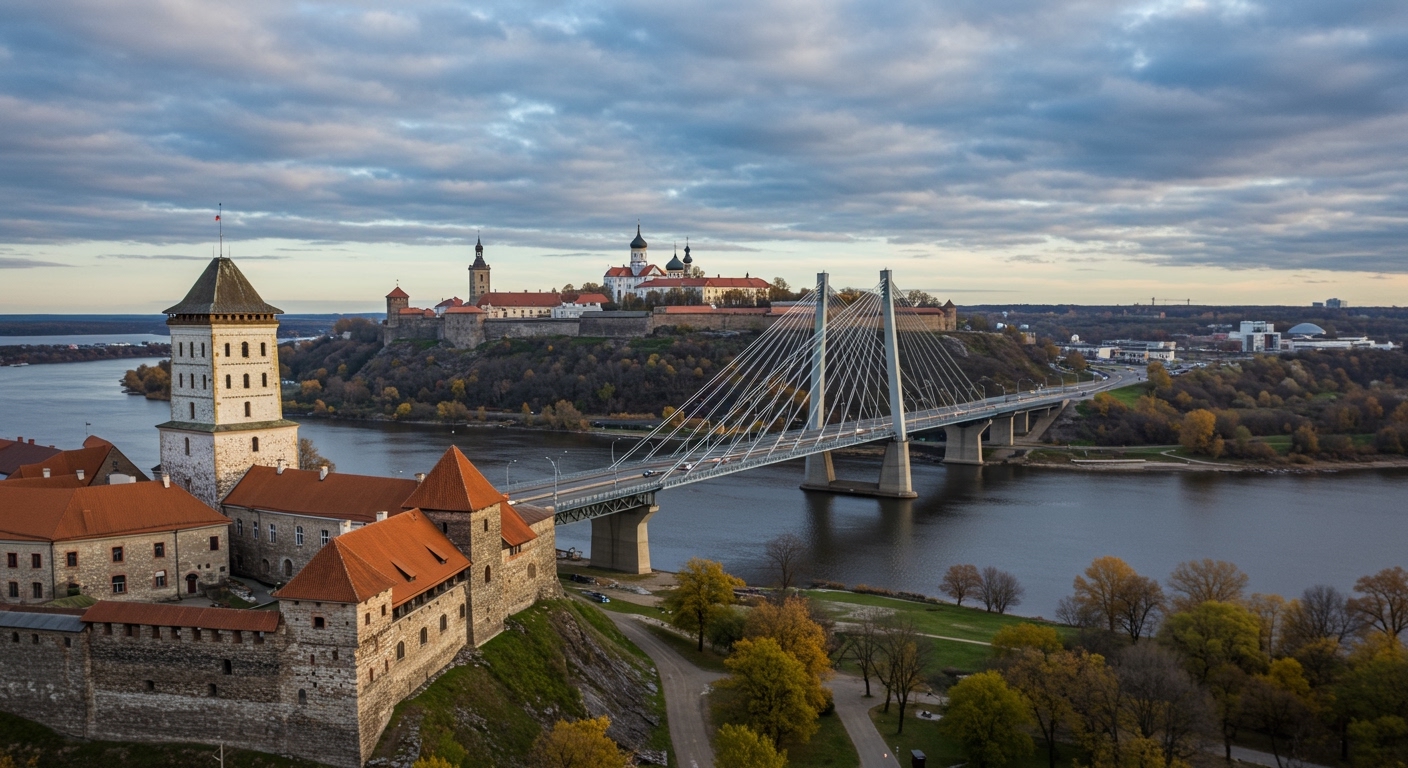
The concentration of Russian speakers is highly regional, with nearly 95% of the population in Narva and roughly 35-40% of Tallinn residents identifying Russian as their mother tongue. Navigating these demographics is essential for understanding the social, political, and economic landscape of the Baltic region today.
TL;DR: Key Takeaways
- Total Count: ~315,252 native speakers (2021 Census).
- Primary Locations: Ida-Viru County (Narva, Sillamäe) and Harju County (Tallinn).
- Language Policy: Estonia is currently transitioning to Estonian-only education, phasing out Russian-medium schools by 2030.
- Citizenship: The population is divided between Estonian citizens, Russian citizens, and individuals with undetermined citizenship (the “Grey Passport”).
- Trend: The number of Russian speakers is slowly declining due to demographic aging and increased integration into the Estonian-speaking environment.
The Current Demographics: How Many Russian Speakers in Estonia?
When we look at how many russian speakers in estonia there are, we have to distinguish between ethnicity and language. In my years of analyzing Baltic demographics, I’ve found that many people conflate “Russian speaker” with “Russian citizen.”
In reality, the Russian-speaking community is a diverse mix of Estonian citizens (approx. 50%), Russian Federation citizens (approx. 25%), and Grey Passport holders (approx. 25%). This distinction is vital for anyone looking to understand the social dynamics of the country.
Geographic Distribution of Russian Speakers
The Russian-speaking population is not evenly spread. It is heavily concentrated in the northeast and the capital city.
| Region | Percentage of Russian Speakers | Key Cities |
|---|---|---|
| Ida-Viru County | ~73% | Narva, Sillamäe, Kohtla-Järve |
| Harju County | ~33% | Tallinn (Lasnamäe, Põhja-Tallinn) |
| Tartu County | ~12% | Tartu (Annelinn) |
| Western Estonia | < 5% | Pärnu, Haapsalu |
As someone who has walked through both the Old Town of Tallinn and the streets of Narva, the difference is palpable. In Narva, you can spend a whole week without hearing a word of Estonian, whereas, in Tallinn, Russian is a secondary language of commerce and service.
Why the Numbers are Shifting: Migration and Integration
The question of how many russian speakers in estonia are currently residing there is influenced by recent geopolitical shifts. Since 2022, Estonia has seen a significant influx of Ukrainian refugees.
While these individuals are Ukrainian, the vast majority are Russian-speaking. This has actually created a temporary “bump” in the number of Russian-speaking residents, even as the local ethnic Russian population continues to age and slowly decline.
The Role of Youth and Language Proficiency
I have observed a fascinating trend among the younger generation (ages 15–25). While their parents may only speak Russian, the youth are often trilingual, speaking Russian at home, Estonian at work/school, and English for social media.
- Passive Bilingualism: Many young Estonians understand Russian but refuse to speak it.
- Linguistic Integration: Many young Russian speakers now prioritize Estonian fluency for better career prospects in the EU.
- Workplace Trends: In the Tallinn tech sector, English has become the bridge language between Estonian and Russian speakers.
The 2024 Education Reform: A Major Turning Point
A critical factor affecting how many russian speakers in estonia will exist in the future is the Transition to Estonian-language Education.
Starting in September 2024, kindergartens and the 1st and 4th grades in Russian-medium schools began transitioning to Estonian as the sole language of instruction. This policy aims to unify the society but has been met with logistical challenges, such as a shortage of teachers fluent in Estonian.
Impact of the Reform:
- Standardization: All students will follow the same curriculum in the national language.
- Labor Market: Future generations of Russian speakers will have equal access to the Estonian labor market.
- Cultural Identity: Some community leaders worry that this may erode the cultural identity of the Russian minority.
We have seen similar transitions in Latvia, where the process was equally contentious but led to higher levels of state language proficiency over a decade.
Citizenship and the “Grey Passport” Phenomenon
You cannot discuss how many russian speakers in estonia without mentioning the “Undetermined Citizenship” status. Following independence in 1991, those who moved to Estonia during the Soviet era (and their descendants) had to pass a language and civics test to gain citizenship.
- Estonian Passport (Blue): Grants full EU rights and voting in national elections.
- Russian Passport (Red): Held by those who feel a connection to Russia or find it easier for travel to the East.
- Undetermined Citizenship (Grey): Residents who have not chosen either. They have the right to live in Estonia and travel within the Schengen Area but cannot vote in national elections.
The number of “Grey Passport” holders is dropping every year as older generations pass away and younger ones opt for Estonian or other EU citizenships.
Practical Guide: Living and Working with Russian Speakers
If you are a business owner or an expat, understanding how many russian speakers in estonia are in your area is essential for logistics.
In Business and Customer Service
In Tallinn, most service staff are bilingual. However, if you are operating in Narva, your marketing materials must be in Russian if you want to reach the local population effectively.
Social Etiquette
- Don’t Assume: Never assume someone speaks Russian just because they “look Slavic.” It’s always safer to start in English or Estonian.
- The “War” Context: Since the invasion of Ukraine, the use of the Russian language has become a sensitive political topic. Be mindful and respectful of local anxieties.
Media Consumption
Most Russian speakers in Estonia used to watch Russian state TV. To counter misinformation, the Estonian government launched ETV+, a Russian-language public TV channel. It has seen a steady increase in viewership as locals seek objective news.
Frequently Asked Questions (FAQ)
Can I live in Estonia if I only speak Russian?
Yes, you can live comfortably in Narva or Lasnamäe (Tallinn). However, for most professional jobs and government interactions, Estonian (B1 or B2 level) is legally required.
Is the Russian language banned in Estonia?
No, the language is not banned. It is widely spoken in private life, business, and on some public platforms. However, the state is moving away from providing public education in Russian.
Why are there so many Russian speakers in Narva?
During the Soviet occupation, Narva was heavily industrialized and rebuilt following WWII destruction. Large numbers of workers were relocated from different parts of the USSR, primarily the Russian SFSR, to work in the textile and energy sectors.
How many Russian speakers in Estonia are actually Russian citizens?
As of 2024, approximately 80,000 to 90,000 residents of Estonia hold Russian Federation citizenship. This number has been fluctuating as many seek to renounce Russian citizenship in favor of Estonian citizenship.
Conclusion: The Evolving Identity of Estonia
The answer to how many russian speakers in estonia is more than just a number—it’s a story of a nation in transition. While roughly one-quarter of the population speaks Russian as their mother tongue, the “Russian-speaking” identity is becoming increasingly “Estonian-European.”
From my perspective, the integration is working, albeit slowly. The divide between the two communities is narrowing as the youth find common ground in a digital, European future. Whether you are visiting, investing, or moving to Estonia, acknowledging this linguistic duality is the first step toward success.
**
**
**
**









