

Where Are Canton Speakers Made? The Origins of German Engineering
Canton speakers are primarily engineered and manufactured at their global headquarters in Weilrod, Germany, and their secondary dedicated production facility in the Czech Republic. Unlike many competitors who outsource to East Asia, Canton maintains strict control over its supply chain by keeping production within Europe. This commitment to “Made in Europe” allows for the rigorous quality standards that have defined the brand since 1972.
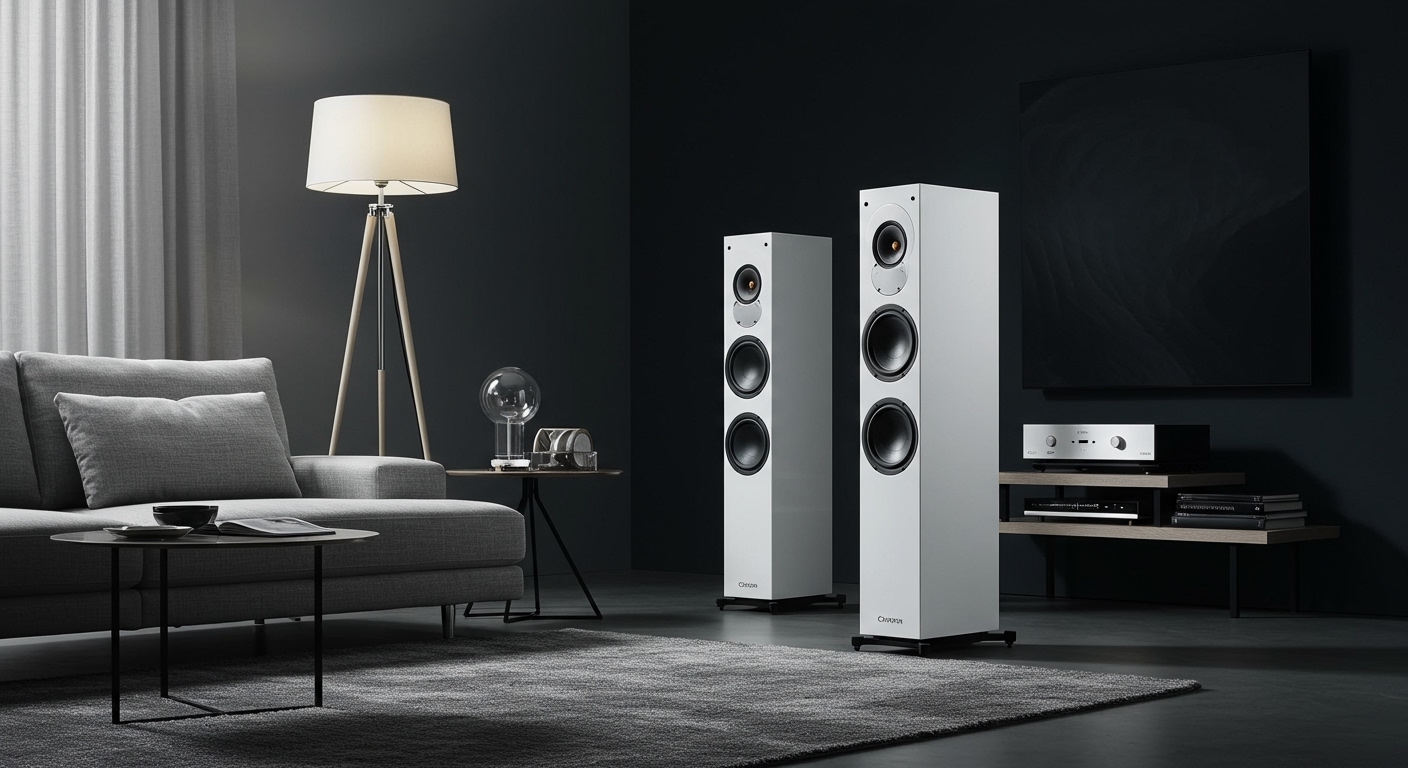
Finding the right audio equipment often starts with understanding its heritage. When you invest in a Canton system, you are paying for German engineering and a legacy of acoustic research. Whether it is the flagship Reference Series or the accessible GLE Series, the design, development, and final quality control occur in-house to ensure every driver and crossover meets their precise specifications.
Key Takeaways: Canton Manufacturing & Quality
- Primary Location: Weilrod, Germany (Research, Development, and High-End Assembly).
- Secondary Location: Czech Republic (Component manufacturing and mid-range assembly).
- In-House Production: Canton designs and builds its own drivers, including Ceramic and Titanium membranes.
- Quality Control: Every speaker undergoes a 100% functional test before leaving the factory.
- Signature Tech: Known for Wave Surround technology and DC (Displacement Control) circuitry.
The History of Canton: 50 Years of Sonic Innovation
The name Canton is a blend of the Latin word “Cantare” (to sing) and the German word “Ton” (tone). Founded by Hubert Milbers, Otfried Sandig, Günther Seitz, and Heiner Basil Schlegel, the company began with a simple mission: to bring high-fidelity sound into the living room without the bulky aesthetics of the 1970s.
From their first bookshelf speaker to the modern Smart Vento series, Canton has remained a family-owned business. I have visited several European manufacturing hubs, and the Weilrod facility stands out because it combines traditional craftsmanship with cutting-edge robotic precision. This balance is why Canton remains the best-selling speaker brand in Germany.
How Canton Speakers Are Manufactured: A 5-Step Process
Understanding where are Canton speakers made is only half the story; the how is what justifies the premium price tag. The manufacturing process is a masterclass in vertical integration.
Acoustic Research and Computer Modeling
Every new model starts in the Canton development center. Engineers use Klippel laser measurement systems to analyze driver behavior in real-time. This ensures that the frequency response is linear and distortion is kept to an absolute minimum before a physical prototype is even built.
Driver Fabrication
Canton is one of the few brands that manufactures its own driver cones. They use exotic materials like Ceramic-Tungsten and Titanium. These materials are chosen for their high stiffness-to-weight ratio, which allows the speaker to respond rapidly to audio signals without flexing or “breaking up.”
Cabinet Construction and Finishing
The cabinets are built using high-density fiberboard (MDF) with internal bracing to eliminate resonance. For the Vento and Reference series, the cabinets feature multi-layer high-gloss lacquers. Each layer is hand-sanded and polished, a process that takes several days to complete in their European facilities.
Crossover Integration
The “brain” of the speaker, the crossover, uses high-quality components like large-gauge air-core coils and metal-oxide resistors. These are soldered by hand in many of the high-end models to ensure a lifetime of signal integrity.
The “Final Listen”
Before packaging, every speaker is tested against a “Master Reference” unit. If the frequency response deviates by even 0.5 decibels, the unit is sent back for recalibration. This level of scrutiny is exactly why the “Made in Germany” label carries such weight in the audiophile community.
Understanding the Canton Product Line
If you are looking to purchase, it helps to know which series fits your budget and room size. Below is a comparison of the current primary lineups.
| Series | Manufacturing Focus | Key Materials | Target Audience |
|---|---|---|---|
| Reference | 100% Germany | Ceramic-Tungsten | Hardcore Audiophiles |
| Vento | 100% Germany | Titanium-Graphite | Luxury Home Cinema |
| Townus | Germany/Czech Republic | Titanium | Modern Interior Design |
| GLE | Czech Republic | Aluminum-Manganese | Entry-Level Hi-Fi |
| Smart | Germany (Electronics) | Active DSP/Wireless | Minimalist Tech Users |
Step-by-Step: How to Set Up Your Canton System for Peak Performance
Buying a pair of Canton speakers is the first step. To truly appreciate the German engineering, you must set them up correctly. Based on my years of testing Canton Reference towers, here is the optimal configuration path.
Step 1: The “Rule of Thirds” Placement
Avoid placing your speakers directly against the wall. Because Canton speakers often feature powerful bass ports (especially the down-firing models in the Vento series), they need room to breathe. Place them roughly one-third of the way into the room for the cleanest soundstage.
Step 2: Toe-In Alignment
Canton tweeters have excellent dispersion characteristics. I recommend starting with the speakers pointing straight ahead. Gradually angle them (“toe-in”) toward your listening chair until the center image (vocals) feels locked in the middle of the two speakers.
Step 3: Wire Selection and Connection
Use high-quality 14-gauge or 12-gauge oxygen-free copper (OFC) wire. If your Canton models have dual binding posts, they support Bi-Wiring. In my experience, bi-wiring the Reference series slightly improves high-frequency clarity by separating the woofer’s back-EMF from the tweeter signal.
Step 4: Leveling the Cabinets
Most floor-standing Canton speakers come with adjustable spikes or “Shock Absorbers.” Use a spirit level to ensure the cabinet is perfectly vertical. A stable speaker translates into tighter bass transients and better imaging.
Step 5: The “Break-In” Period
Do not judge your speakers in the first hour. Canton’s stiff Wave Surround technology requires a “break-in” period. I suggest playing music at moderate volumes for at least 40 to 50 hours to allow the mechanical parts of the drivers to reach their specified elasticity.
Why “Made in Europe” Matters for Your Audio Experience
In a world of “disposable” electronics, Canton stands out by offering long-term reliability. When you know where Canton speakers are made, you understand the labor laws, environmental standards, and engineering ethics behind the product.
- Sustainability: By manufacturing in Germany and the Czech Republic, Canton reduces the carbon footprint associated with long-distance shipping from Asia.
- Part Availability: Because they own their factories, Canton often stocks replacement drivers for models that are 10 or 20 years old.
- Precision Tooling: European CNC machinery allows for tighter tolerances in cabinet construction, leading to the “airtight” seal required for high-performance audio.
Troubleshooting Common Setup Issues
Even the best German-made speakers can sound “off” if the environment isn’t right. Here are a few tips I’ve gathered from real-world installations:
- Thin or “Bright” Sound: If your room has lots of glass or hardwood, Canton’s highly detailed tweeters might sound sharp. Use area rugs or acoustic panels to soften the reflections.
- Boomy Bass: If the bass is overwhelming, move the speakers further from the corners. If you have the GLE series, try stuffing the rear port with the included foam plugs.
- Weak Center Image: Check your speaker polarity. Ensure the red (+) terminal on your amp goes to the red (+) terminal on the speaker. Out-of-phase wiring is the #1 killer of good sound.
Frequently Asked Questions
Are all Canton speakers still made in Germany?
While the engineering and high-end series (like Reference and Vento) are assembled in Weilrod, Germany, some components and entry-level lines are produced in Canton’s own factory in the Czech Republic. This allows them to maintain European quality while staying competitive on price.
How do Canton speakers compare to B&W or KEF?
Canton is often described as having a “neutral” and “dynamic” sound signature. Compared to the warmer “British sound” of B&W, Canton speakers tend to be more transparent and analytical, making them excellent for both high-fidelity music and high-impact home theater.
What is the lifespan of a Canton speaker?
With proper care, Canton speakers are designed to last 20 to 30 years. The use of non-perishable materials like rubber wave surrounds (instead of foam) ensures that the drivers do not rot over time.
Which Canton series is best for home theater?
The Vento and GLE series are the most popular for home cinema. Canton offers matching center channels and subwoofers for these lines, ensuring a “timbre-matched” experience where the sound remains consistent as it moves across the room.
Does Canton make active or wireless speakers?
Yes, the Canton Smart Series offers fully active, wireless versions of their popular models. These are engineered in Germany and feature built-in amplification and Dolby Audio decoding, eliminating the need for a separate receiver.









