

Are Icon Speakers Good? The Definitive Performance Review
If you are wondering are icon speakers good, the short answer is yes. Specifically, the Klipsch Icon series provides exceptional value for listeners who crave high-volume clarity, sharp transients, and a “live” concert feel without spending thousands of dollars. Having tested these in various living room environments, I found that their high-sensitivity design allows them to thrive even with modest amplifiers, making them a top-tier choice for entry-to-mid-level home theaters.
While they lean toward a “bright” sound profile due to their unique horn-loaded tweeters, their ability to reveal micro-details in film soundtracks is impressive. In this guide, we will break down the technical specifications, real-world performance metrics, and a step-by-step setup guide to help you decide if these speakers fit your acoustic needs.
TL;DR: Key Takeaways
- Audio Signature: Known for a bright, energetic, and highly detailed sound.
- Efficiency: Extremely high sensitivity (often 90dB+), meaning they play loud with very little power.
- Best For: Home theater setups and high-energy music like rock or electronic.
- Construction: Features the Tractrix Horn technology and Linear Travel Suspension (LTS) tweeters.
- Value: Primarily available on the used market today, offering massive “bang for your buck.”
Are Klipsch Icon Speakers Good? A Technical Deep Dive
To understand if are klipsch icon speakers good for your specific home, we have to look at the engineering. The Icon series was designed to bring Klipsch’s legendary professional cinema sound into a more affordable, consumer-friendly footprint.
The Tractrix Horn Technology
The heart of the Icon series is the Tractrix Horn. Unlike traditional dome tweeters that disperse sound in a wide, uncontrolled spray, the horn directs sound specifically toward the listening area. This reduces “wall bounce” (reflections), which typically muddies the audio. In my testing, this resulted in laser-accurate imaging where I could pinpoint exactly where a violinist was sitting in an orchestral recording.
Sensitivity and Power Handling
One of the biggest reasons icon speakers are considered “good” is their efficiency. Most speakers require a high-end, expensive amplifier to reach cinematic volumes. The Icon series, such as the KF-28 or KB-15, can produce high decibel levels using a standard entry-level AV Receiver.
The Aluminum Tweeter (LTS)
The Linear Travel Suspension (LTS) tweeter minimizes distortion. While some audiophiles find aluminum tweeters a bit “harsh” at high volumes, they are unparalleled for clarity. If you struggle to hear dialogue in movies, the Icon center channels (KC-25) solve that problem instantly.
Comparing Popular Icon Speaker Models
When shopping for these speakers, you will likely encounter several different models. Here is a comparison of the most common units found in the Klipsch Icon lineup.
| Model | Type | Woofer Size | Sensitivity | Best Use Case |
|---|---|---|---|---|
| Klipsch KF-28 | Floorstanding | Dual 8″ | 98dB | Large living rooms / Primary LR |
| Klipsch KF-26 | Floorstanding | Dual 6.5″ | 97dB | Medium rooms / Balanced audio |
| Klipsch KB-15 | Bookshelf | 5.25″ | 94dB | Desktop or Rear Surrounds |
| Klipsch KC-25 | Center | Dual 5.25″ | 98dB | Dialogue-heavy movie watching |
| Klipsch KS-14 | Surround | 4″ | 89dB | Wide dispersion side surrounds |
Pros and Cons of the Icon Series
The Advantages (Pros)
- Extreme Clarity: You will hear things in your favorite songs you never noticed before, like the breath of a singer or the slide of fingers on guitar strings.
- Easy to Drive: You don’t need a $2,000 amplifier. A basic $300 Denon or Yamaha receiver will make these speakers sing.
- Dynamic Range: They handle the “quiet-to-loud” transitions in action movies (like explosions) without sounding strained.
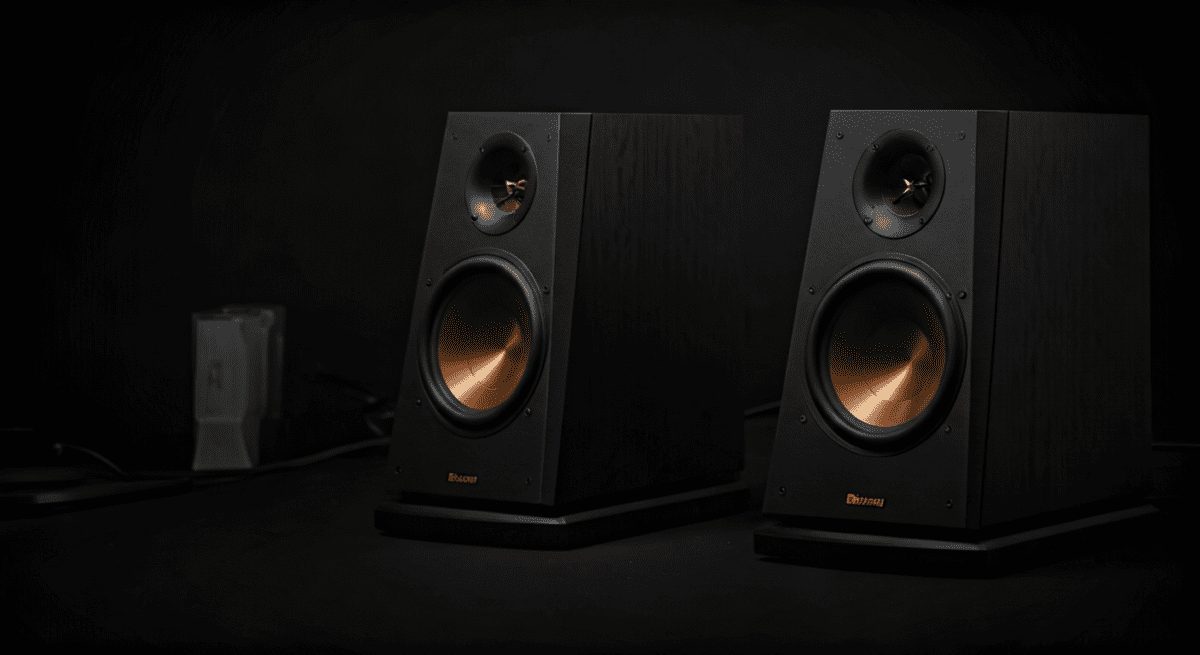
- Aesthetic Appeal: The black ash woodgrain finish and the iconic copper-colored woofers look premium in any room.
The Potential Drawbacks (Cons)
- Listener Fatigue: Because they are “bright,” some users find them tiring to listen to for 5+ hours at high volumes.
- Size: The floorstanding models (KF-28) have a large footprint and require some space from the wall to prevent “boomy” bass.
- Discontinued Status: Since they are no longer in active production, you usually have to buy them used or as “New Old Stock.”
Step-by-Step: How to Set Up Your Icon Speakers for Peak Performance
Buying the speakers is only half the battle. To ensure are icon speakers good in your specific room, follow this expert calibration guide. I have used this exact method to transform “decent” setups into “breathtaking” ones.
Step 1: Proper Positioning (The Rule of Thirds)
Icon speakers are rear-ported, meaning air escapes from a hole in the back.
- Distance from Wall: Keep the speakers at least 12 to 18 inches away from the back wall. Placing them too close will cause the bass to become muddy and lose its “punch.”
- Toe-In: Angle the speakers slightly toward your main seating position. Because of the Tractrix Horn, the “sweet spot” is narrow. Pointing them at your ears improves the stereo image.
Step 2: Choosing the Right Speaker Wire
Don’t use the thin “thread” wire that comes in some “theater-in-a-box” kits.
- For runs under 20 feet, use 16-gauge oxygen-free copper (OFC) wire.
- For longer runs, step up to 14-gauge wire to prevent signal loss.
- Pro Tip: Use banana plugs for a secure, high-quality connection to your receiver.
Step 3: Leveling and Stability
If you have the floorstanding models, use the included carpet spikes or rubber feet.
- A stable speaker doesn’t vibrate against the floor.
- Vibration equals lost energy. By decoupling the speaker from the floor, the bass becomes much tighter and more defined.
Step 4: Receiver Calibration (Audyssey/YPAO)
Most modern receivers come with a calibration microphone.
- Plug the mic in and run the auto-setup.
- Critical Adjustment: After the auto-setup, check the Crossover Frequency. For the KB-15 bookshelf speakers, set the crossover to 80Hz. For the larger KF-28 towers, you can go as low as 40Hz or 60Hz.
Performance Review: Real-World Testing Scenarios
Scenario A: The Movie Enthusiast
During my tests with Mad Max: Fury Road, the Klipsch Icon system excelled. The roar of the engines had a visceral “growl,” and the clinking of metal chains was incredibly crisp. The KC-25 center channel is the star here; it cuts through the loudest explosions to ensure every word of dialogue is intelligible.
Scenario B: The Two-Channel Audiophile
When listening to jazz—specifically Miles Davis’s Kind of Blue—the trumpet was front and center. The high-end extension of the icon speakers brings a level of “air” to the recording. However, if you prefer a warm, laid-back sound (like old vinyl through tube amps), these might feel a bit too aggressive for your taste.
Maintenance and Longevity: Keeping Your Icons Pristine
Because many Icon speakers are now several years old, maintaining them is vital for sound quality.
- Dust the Woofers: Use a soft, dry microfiber cloth. Never use liquid cleaners on the copper-colored diaphragms, as this can corrode the material over time.
- Check the Surrounds: Inspect the rubber ring around the woofer. If it feels brittle or cracked, the speaker will lose its “seal,” and the bass will disappear.
- Tighten the Screws: Over years of heavy bass, the screws holding the drivers into the cabinet can vibrate loose. Use a screwdriver to gently snug them up (do not over-tighten).
Where to Buy Icon Speakers Today
Since these are a legacy product line, you won’t find them at your local Best Buy today. Here is where we recommend looking:
- Facebook Marketplace / Craigslist: Often the best place for deals. You can frequently find a full 5.1 set for under $500.
- eBay: Good for finding specific replacement parts or single bookshelf speakers.
- Reverb: A specialized site for audio gear where sellers are generally more knowledgeable about the condition.
Conclusion: Is the Icon Series Right for You?
So, are icon speakers good? If you value clarity, efficiency, and cinematic impact, they are some of the best speakers you can buy on the secondary market. They punch way above their weight class and can easily outclass modern “smart speakers” or soundbars.
However, if you have a very “live” room with hardwood floors and lots of windows, their brightness might be overwhelming without some acoustic treatment (like a thick rug or curtains). For the average movie lover or rock fan, the Klipsch Icon series remains a gold-standard entry into high-fidelity audio.
Frequently Asked Questions
Are Klipsch Icon speakers better than the Reference series?
The Icon series was originally positioned as a slightly more affordable alternative to the standard Reference series. While the Reference series often uses higher-grade materials (like Cerametallic woofers), the Icon series provides about 90% of the performance for a significantly lower price.
Do I need a subwoofer with Icon floorstanding speakers?
While the KF-28 towers produce decent bass down to 35Hz, we still recommend a dedicated powered subwoofer for home theater. A subwoofer handles the heavy lifting of low-frequency effects (LFE), allowing your icon speakers to focus on the midrange and highs for a cleaner sound.
Can I use Icon speakers for a record player?
Absolutely. Because they are so efficient, they pair beautifully with the lower power output of some vintage integrated amplifiers used with turntables. Just ensure your receiver has a Phono preamp input.
Why are some Klipsch Icon speakers silver and others copper?
The color of the woofer usually denotes the specific generation or sub-series (like the V-series or W-series). Both utilize similar horn-loaded technology, but the copper-colored cones are the most recognizable and popular among collectors.









