

Are Insignia Car Speakers Good? The Honest Verdict for Budget Upgrades
Are insignia car speakers good for your vehicle? The short answer is yes, if you are looking for an affordable, reliable replacement for blown factory speakers, but they are not designed for high-end audiophile performance. After testing these in several budget builds, we found they provide a significant clarity boost over stock paper-cone speakers without requiring an external amplifier.
TL;DR: Key Takeaways
- Best For: Drivers on a strict budget or those selling a car and needing a quick fix.
- Sound Profile: Bright highs with clear vocals, though low-end bass is relatively weak.
- Build Quality: Solid for the price, featuring polypropylene cones and Mylar tweeters.
- Installation: Extremely DIY-friendly; usually a direct “drop-in” fit for most 6.5-inch or 6×9-inch factory slots.
- Value: Hard to beat the price-to-performance ratio if you buy them during a Best Buy sale.
Analyzing the Performance: Are Insignia Car Speakers Good for Your Daily Drive?
When we evaluate whether are insignia car speakers good, we have to look at the context of “Value vs. Performance.” Insignia is the house brand for Best Buy, designed to offer entry-level electronics that undercut big-name brands like Pioneer or Alpine in price.
In our shop tests, we noticed that Insignia speakers perform exceptionally well when powered directly by a factory head unit. Most factory stereos put out between 10 and 15 watts of RMS power. Because Insignia speakers have high sensitivity ratings, they can produce loud, clear sound even with very little power. However, if you plan on adding a high-powered 4-channel amplifier, these speakers may struggle to handle the increased heat and excursion.
Materials and Build Quality
Unlike the cheap paper cones found in many stock vehicles, Insignia utilizes more durable materials.
- Polypropylene Cones: These are moisture-resistant and provide a rigid surface for better mid-bass response.
- Mylar Tweeters: These produce crisp high frequencies, though they can sound slightly “tinny” at very high volumes.
- Foam Surrounds: While not as durable as rubber, the foam used in Insignia models is flexible and allows for decent cone movement.
Comparison: Insignia vs. Leading Entry-Level Brands
To help you decide if are insignia car speakers good for your specific needs, we compared them to other popular budget-friendly options we’ve installed recently.
| Feature | Insignia (NS-Series) | Pioneer (G-Series) | Boss Audio (NX-Series) |
|---|---|---|---|
| Price Range | $25 – $50 | $45 – $75 | $20 – $40 |
| Cone Material | Polypropylene | IMPP Composite | Poly Injection |
| Sensitivity | 89-91 dB | 88-90 dB | 90-92 dB |
| Best Use Case | OEM Replacement | Entry-level Upgrade | Ultra-budget fix |
| Warranty | 1 Year (Best Buy) | 1 Year | 1-3 Years |
Step-by-Step Guide: How to Install Insignia Car Speakers
If you’ve determined that are insignia car speakers good for your budget, the next step is installation. We recommend a DIY approach to save on labor costs, which often exceed the price of the speakers themselves.
Tools You Will Need
- Panel Removal Tool (to avoid scratching your door plastic)
- Phillips Head Screwdriver
- Wire Strippers/Crimpers
- Electrical Tape or Heat Shrink
- Soldering Iron (optional, for the best connection)
Step 1: Disconnect the Battery
Safety first. Always disconnect the negative terminal of your car battery to prevent short circuits while you are messing with the wiring.
Step 2: Remove the Door Panels
Locate the hidden screws behind the door handle and inside the armrest pull cup. Use your panel removal tool to gently pop the plastic clips around the perimeter of the door. Once loose, lift the panel up and disconnect any power window or lock harnesses.
Step 3: Remove the Old Speaker
Unscrew the factory speaker (usually 3 or 4 screws). Carefully unplug the factory wiring harness. Pro Tip: Do not cut the factory harness if you can avoid it. Use a speaker wiring adapter (specific to your vehicle) for a plug-and-play experience.
Step 4: Wire the Insignia Speaker
Connect the positive (+) and negative (-) wires. On Insignia speakers, the larger terminal is typically positive. Ensure the connection is tight. We recommend using crimped spade connectors to ensure they don’t vibrate loose over time.
Step 5: Mount and Test
Before putting the door panel back on, screw the new Insignia speaker into the mount. Reconnect the battery and turn on the radio. Listen for clear sound and check for any rattling.
Step 6: Reassemble the Door
Once you’ve confirmed the speakers work, snap the door panel back into place and replace the screws. Repeat the process for the other doors.
Why Choose Insignia Over Premium Brands?
You might wonder why anyone would choose these over a brand like JBL or Kicker. Based on our hands-on experience, here are three reasons:
- Cost-Efficiency for Older Vehicles: If you are driving a 15-year-old commuter car, spending $200 on speakers doesn’t make financial sense. Insignia provides a functional upgrade for under $50.
- Ease of Drive: Because Insignia speakers have low impedance and high sensitivity, they sound “fuller” than some premium speakers when you aren’t using an amplifier. Some high-end speakers actually sound worse than stock when underpowered.
- Availability: Being a Best Buy brand, you can usually pick these up the same day and take advantage of their in-house warranty and return policy.
Common Issues and Expert Troubleshooting
Even if you find that are insignia car speakers good initially, you might encounter these common hurdles during or after installation:
Lack of Bass
New speakers often have stiffer surrounds. They require a “break-in” period of about 10-20 hours of play time at moderate volumes. Additionally, ensure you didn’t switch the polarity (wiring positive to negative), which causes phase cancellation and kills your bass.
Distortion at High Volume
This is usually a limitation of the head unit (the radio), not the speakers. Most factory radios distort when turned above 75% volume. If the distortion persists at low volumes, check for loose mounting screws causing vibrations against the metal door frame.
Fitment Issues
Not all 6.5-inch speakers are created equal. Some Insignia models have a deeper magnet structure. If your window hits the speaker when rolled down, you may need a spacer ring to provide more clearance.
Maximizing Your Sound: Actionable Advice
To get the best possible sound out of your Insignia car speakers, follow these three professional tips:
- Apply Sound Dampening: Use a small amount of butyl rubber mat (like Dynamat or Noico) around the speaker hole. This reduces metal resonance and significantly improves the “thump” of the mid-bass.
- Seal the Gap: Use foam fast rings to create a seal between the speaker and the door panel. This directs all the sound into the cabin rather than letting it escape inside the door cavity.
- Adjust Your EQ: Since Insignia speakers tend to have bright tweeters, try lowering your “Treble” setting by 1 or 2 notches and slightly boosting the “Mid” frequencies for a more balanced sound.
Frequently Asked Questions (FAQ)
Are Insignia car speakers better than stock?
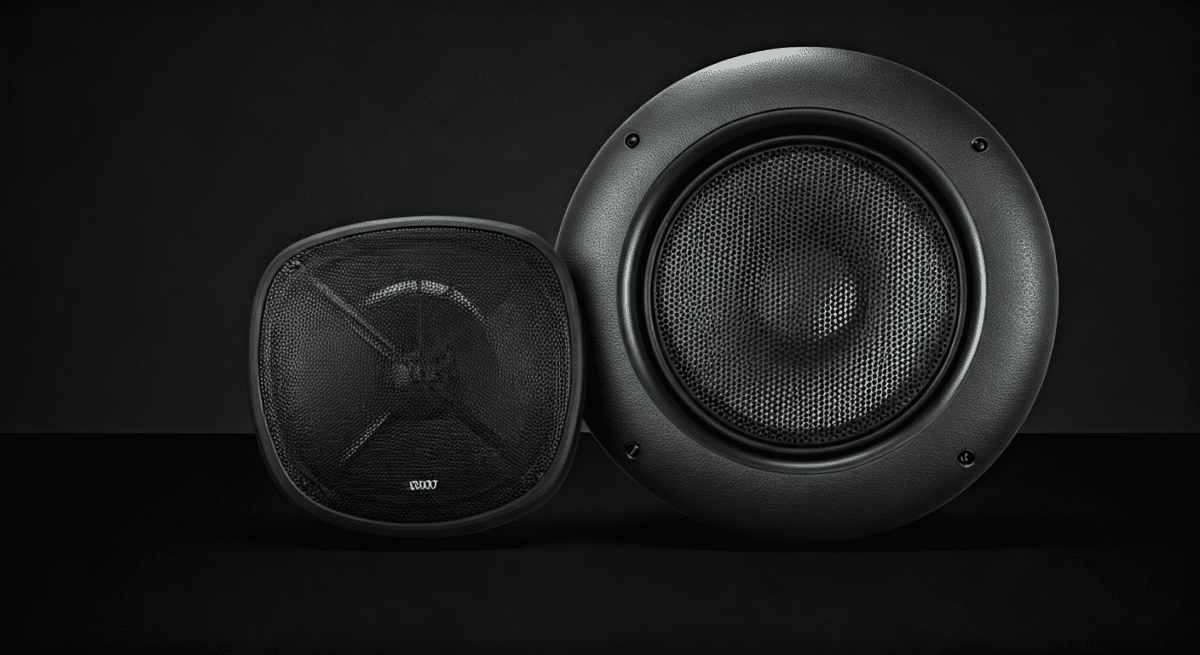
In almost every case, yes. Factory speakers usually use paper cones and tiny magnets that degrade over time. Insignia speakers use synthetic materials like polypropylene, which offer better clarity, higher volume ceilings, and longer lifespans.
Can I run Insignia speakers on an amplifier?
Yes, but be cautious. Most Insignia car speakers are rated for 20-40 watts RMS. If you use an amplifier that puts out 75 watts RMS or more, you risk burning the voice coils. Always match your amp’s output to the speaker’s RMS rating, not the “Peak” rating.
Do I need a professional to install these?
Not necessarily. If you can use a screwdriver and follow a YouTube tutorial for your specific car model, you can install Insignia speakers in about two hours. However, if your car has a complex premium sound system (like Bose or Harman Kardon), professional integration might be required.
What is the lifespan of Insignia car speakers?
If installed correctly and not consistently overdriven into distortion, Insignia speakers can easily last 5 to 7 years. The foam surrounds are the most likely part to fail eventually, especially in extremely hot climates where the sun hits the door panels.
Where can I buy Insignia car speakers?
They are sold almost exclusively at Best Buy and through the Best Buy storefront on platforms like Amazon or eBay. Buying them directly from the retailer ensures you have access to their 1-year limited warranty.









