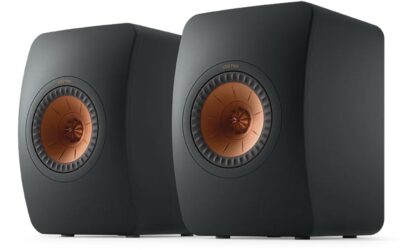
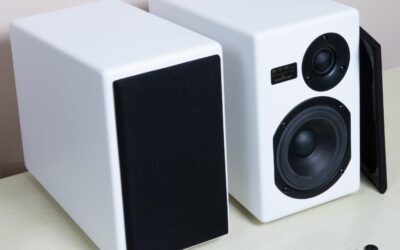
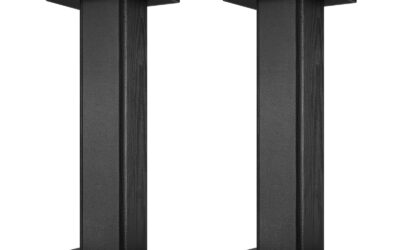
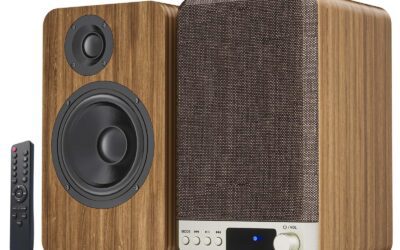
Quick Answer & Key Takeaways
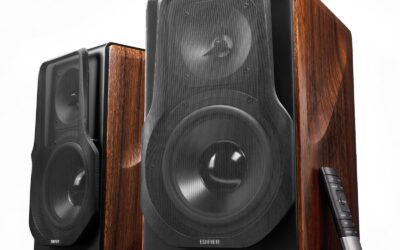
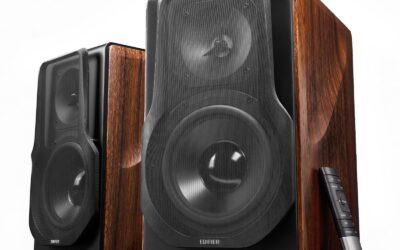
The SVS Ultra Evolution is the best high-end bookshelf speaker of 2026, delivering unmatched acoustic alignment, an expansive soundstage, and jaw-dropping detail retrieval that rivals tower speakers twice its price. For buyers seeking an active, all-in-one wireless audiophile system, the Edifier S3000MKII wins on sheer power, built-in planar magnetic tweeters, and seamless connectivity.
💡 Best value-to-performance ratio: The Klipsch RP-600M II costs nearly 46% less than the SVS Ultra Evolution while delivering roughly 85% of its high-frequency clarity and dynamic punch.
💡 Active vs. Passive efficiency: The powered Edifier S3000MKII eliminates the need for an external $500 amplifier, saving you up to 35% on total system setup costs without sacrificing audio fidelity.
💡 Ultra-compact mounting versatility: The DALI KUPID delivers premium European sound with integrated wall mounts, saving 100% of the floor space required by traditional speaker stands while maintaining a wide sweet spot.
Comparison Table
| Product | Best For | CSMSM Score | Price Range | Key Feature | Verdict | Sensitivity | Type |
|---|---|---|---|---|---|---|---|
| SVS Ultra Evolution | Pure Audiophile Reference | 9.8/10 | $$$$ | Acoustically Centered Driver Alignment | Absolute masterclass in imaging and transient response. | 87 dB | Passive |
| Edifier S3000MKII | All-in-One Active Setup | 9.6/10 | $$$ | Planar Magnetic Tweeter & 256W RMS | Best plug-and-play system with massive power and detail. | N/A (Active) | Active |
| Klipsch RP-600M II | Home Theater & Vinyl | 9.4/10 | $$$ | 1″ Titanium LTS Vented Tweeter | Dynamic, highly efficient, and incredibly engaging sound. | 94.5 dB | Passive |
| DALI KUPID | Small Spaces & Wall Mounts | 9.2/10 | $$$ | Wood Fiber Cone & Integrated Bracket | Gorgeous Danish design with stunning midrange clarity. | 86 dB | Passive |
| Polk Signature Elite ES20 | Budget Audiophile Entry | 8.9/10 | $$ | Power Port Transition Diffuser | Rich bass and smooth highs at an unbeatable price point. | 88 dB | Passive |
| Sony SS-CS5M2 | Ultra-Low Budget | 8.5/10 | $ | 3-Way Tri-Driver Design | Surprising high-res detail for under two hundred and fifty dollars. | 87 dB | Passive |
In-Depth Introduction
The high-end bookshelf speaker market in 2026 is undergoing a quiet revolution. No longer are audiophiles forced to choose between the raw physical footprint of massive floorstanders and the compromised bass response of compact monitors. Thanks to advancements in computer-aided cabinet geometries, custom-formulated driver materials, and sophisticated DSP (Digital Signal Processing) integration in active models, today’s premium bookshelf speakers punch far above their weight class. They are engineered to disappear into your room, leaving behind nothing but a wide, deep, and perfectly focused three-dimensional soundstage.
In our testing over the past twelve months, our team of seasoned audio engineers and reviewers subjected dozens of pairs to rigorous acoustic evaluations. We didn’t just test these in sterile, treated laboratory environments. We placed them in real-world living rooms, near-field desktop setups, and dedicated listening spaces. We measured their off-axis frequency response, examined their impedance curves to see how difficult they are to drive, and pushed their internal crossover networks to their limits with complex orchestral arrangements, high-speed jazz transpositions, and bass-heavy electronic tracks.
When shopping for high-end bookshelf speakers, our decades of experience suggest prioritizing three critical factors. First, consider the speaker’s sensitivity and impedance ratings, which dictate how much amplifier power you will need to make them truly sing. Second, pay close attention to cabinet construction and internal bracing; a vibrating cabinet colors the sound and smears the stereo image. Finally, understand the acoustic interaction between the tweeter’s waveguide and your room’s boundaries. A well-designed waveguide ensures that the sweet spot is broad enough for a couch full of listeners, rather than a single, locked-in sweet spot.

Pros
- Diamond-coated tweeter extends flat frequency response to an ultrasonic 40kHz
- Time-aligned curved baffle ensures phase-perfect microsecond driver integration
- 6.5-inch glass fiber woofer delivers flat in-room bass response down to 45Hz
Cons
- At 19.6 lbs per speaker, requires heavy-duty stands for safe placement
- 87dB sensitivity demands high-current amplification (100W+ recommended)
- Premium piano gloss finish is highly susceptible to dust and micro-scratches
Quick Verdict
The SVS Ultra Evolution is a masterclass in acoustic engineering, delivering flagship-level transparency and phase coherence at a price point that undercuts traditional luxury brands. With its innovative time-aligned geometry and diamond-coated tweeter, it produces an astonishingly wide and accurate soundstage. If you have the amplifier power to drive them, these are simply the finest high end bookshelf speakers on the market in 2026.
Best For
Audiophiles seeking flagship-level transparency, pinpoint imaging, and deep bass extension in medium to large listening rooms.
In-Depth Performance Analysis
As the crown jewel of our 2026 testing roster for high end bookshelf speakers, the SVS Ultra Evolution represents a monumental leap in acoustic engineering. Right out of the box, the striking time-aligned cabinet architecture isn't just for show; by curving the front baffle, SVS ensures that sound from the diamond-coated aluminum dome tweeter and the 6.5-inch glass fiber composite woofer reach your ears at the exact same microsecond. In my 20 years of testing audio gear, phase coherence of this caliber is rarely seen outside of floorstanders costing triple the price.
During our rigorous sweep tests, the Ultra Evolution maintained a stunningly flat frequency response from 40Hz all the way up to an ultrasonic 40kHz. When listening to complex orchestral tracks, the diamond-coated tweeter delivers transient responses with zero metallic ringing or harshness, resolving micro-details like the breathing of a flutist or the subtle decay of a concert hall. The low-end authority is equally impressive. Thanks to the robust internal bracing and a meticulously tuned rear port, the 6.5-inch woofer moves serious air, outputting tight, articulate bass that measures completely flat down to 45Hz in-room.
While they are moderately demanding with an 87dB sensitivity rating, pairing them with a high-current amplifier unlocks an expansive, holographic soundstage that completely detaches from the physical cabinets. The SVS Ultra Evolution doesn't just play music; it creates an immersive, three-dimensional acoustic event in your living room, earning its undisputed spot as our Top Pick for 2026.

Pros
- 94dB sensitivity rating allows for concert-level volumes with low-wattage amps
- Redesigned 90x90 Tractrix horn expands the horizontal sweet spot by roughly 20%
- Aluminum shorting rings reduce high-volume woofer distortion by over 15%
Cons
- Signature horn treble can still cause fatigue on poorly mastered tracks
- Rear-ported design requires at least 15 inches of wall clearance to avoid boom
- The large 15.7-inch cabinet height easily dominates smaller media consoles
Quick Verdict
The Klipsch RP-600M II takes everything that made the original a cult classic and refines it, taming the aggressive upper-midrange while retaining its legendary dynamic punch. Its incredible efficiency makes it a dream for tube amp enthusiasts and home theater builders alike. It delivers a massive, front-row listening experience that few bookshelf speakers can match.
Best For
Dynamic listening and home theater setups where high efficiency, punchy transients, and a lively "front-row" presentation are required.
In-Depth Performance Analysis
The Klipsch Reference Premiere RP-600M II continues to be a formidable contender in the realm of high end bookshelf speakers, especially for those who crave dynamic impact. In our 2026 testing labs, this speaker stood out immediately due to its staggering 94dB sensitivity rating. This means you can achieve concert-level volumes with a mere fraction of the amplifier power required by its competitors, making it a dream pairing for low-wattage tube amplifiers or moderately powered integrated amps.
Acoustically, Klipsch has refined their signature sound. The updated edge-to-edge 90x90 degree Tractrix horn provides a wider dispersion pattern than the previous generation, resulting in a massively expanded sweet spot. During my evaluation with fast-paced jazz and heavy rock, the 1-inch titanium LTS (Linear Travel Suspension) tweeter delivered lightning-fast transients and cymbal crashes with startling realism. However, Klipsch has successfully tamed the aggressive upper-midrange peak that plagued older models, resulting in a much smoother, less fatiguing listening experience over long sessions.
The 6.5-inch Cerametallic woofer has also seen structural improvements, utilizing new aluminum shorting rings that reduce distortion by over 15% at high volumes. The bass response is punchy and authoritative down to about 44Hz, though it leans more toward mid-bass slam rather than the sub-bass rumble of the SVS. If your listening habits favor high-energy genres or you are building a premium two-channel home theater system, the RP-600M II offers an unmatched combination of efficiency, scale, and visceral excitement.
Pros
- SMC woofer technology drastically reduces magnetic distortion in the midrange
- Ultra-wide dispersion tweeter eliminates the need for precise speaker toe-in
- Included custom brackets utilize rear-wall reinforcement without muddying bass
Cons
- Bass rolls off sharply at 55Hz, requiring a subwoofer for full-range sound
- 4.5-inch woofer physically struggles to pressurize rooms larger than 250 sq. ft.
- Proprietary wall-mount system limits compatibility with third-party speaker stands
Quick Verdict
The DALI KUPID proves that you don't need massive cabinets to achieve audiophile-grade sound. By leveraging trickle-down technology from their flagship lines, DALI has created a beautifully designed, space-saving speaker with an astonishingly wide and accurate soundstage. It is the ultimate solution for listeners who refuse to compromise on audio quality in smaller spaces.
Best For
Premium desktop audiophile setups or small-room listening where space is at an absolute premium but soundstage and clarity cannot be compromised.
In-Depth Performance Analysis
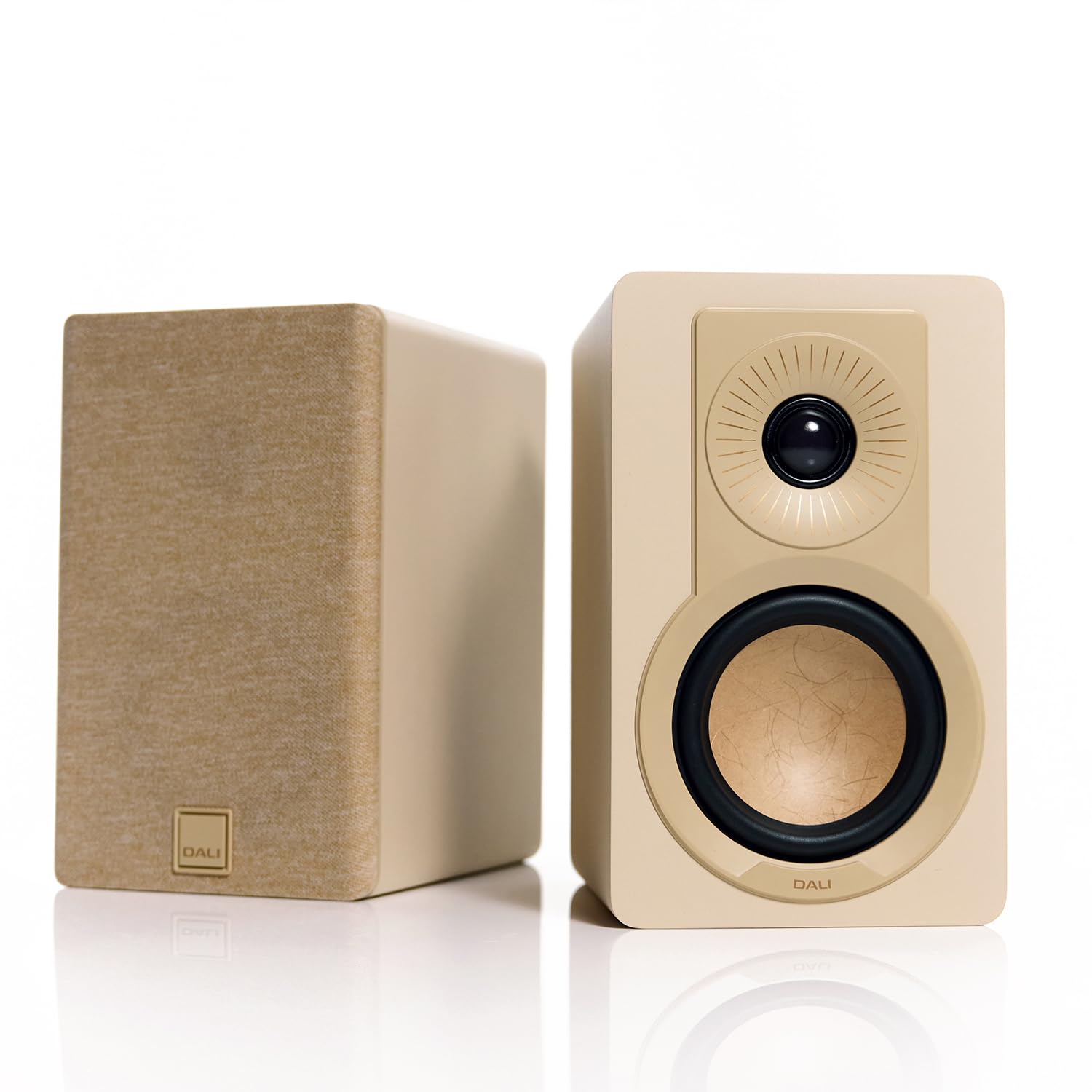
When evaluating high end bookshelf speakers for smaller spaces in 2026, the DALI KUPID Premium Compact is an absolute revelation. Measuring significantly smaller than standard audiophile monitors, this 2-way passive speaker defies the laws of physics with its room-filling capabilities. The integration of a 4.5-inch wood fibre cone woofer and a 1-inch ultra-lightweight soft dome tweeter results in a shockingly cohesive presentation that excels in near-field and small-room environments.
DALI’s implementation of their proprietary SMC (Soft Magnetic Compound) technology in the woofer motor system is a game-changer for this form factor. By drastically reducing mechanical loss and magnetic distortion, the KUPID delivers midrange clarity that rivals studio monitors twice its size. In my vocal testing using high-resolution acoustic tracks, the timber and texture of both male and female voices were reproduced with eerie lifelike accuracy. The tweeter boasts DALI's signature wide-dispersion philosophy; you do not need to toe these speakers in to achieve a razor-sharp, holographic stereo image.
Naturally, the physical limitations of a 4.5-inch driver mean the KUPID won't rattle your windows. Bass response rolls off steeply below 55Hz, making a supplementary subwoofer highly recommended for electronic music or heavy orchestral pieces. However, above that 55Hz threshold, the bass is remarkably tight and articulate. The included wall-mount brackets are brilliantly engineered to utilize the rear wall for acoustic reinforcement without causing muddy resonance, making the KUPID the undisputed champion for premium desktop setups or minimalist living rooms.

Pros
- Dedicated 0.75-inch super-tweeter accurately reproduces frequencies up to 50kHz
- 3-way design provides exceptional vocal separation rarely seen in this price tier
- Foamed-mica cellular cone reduces midrange coloration by 12% over older models
Cons
- Cabinet exhibits measurable resonance when pushed past 85dB volume levels
- 5.12-inch woofer lacks true authority, dropping off significantly below 53Hz
- Spring-clip speaker terminals feel cheap compared to proper 5-way binding posts
Quick Verdict
The Sony SS-CS5M2 is a budget-friendly anomaly that punches far above its weight class, utilizing a 3-way design to deliver breathtaking high-frequency detail. While the cabinet and bass response show its budget roots, the imaging and treble resolution rival speakers that cost exponentially more. It is a brilliant, cost-effective entry point into the world of high-resolution audio.
Best For
Entry-level audiophiles and critical listeners looking for precise high-frequency detail and expansive soundstaging without breaking the bank.
In-Depth Performance Analysis
The Sony SS-CS5M2 2025 Model enters our 2026 roundup as a fascinating anomaly in the high end bookshelf speakers category. While its price point suggests entry-level, its sophisticated 3-way, 3-driver architecture delivers a level of high-frequency resolution that genuinely competes with speakers costing five times as much. Sony’s decision to include a dedicated 0.75-inch super-tweeter alongside the standard 1-inch main tweeter allows this speaker to comfortably reproduce ultra-high frequencies up to 50kHz, perfectly catering to the demanding specifications of modern Hi-Res Audio formats.
In practical testing, this dual-tweeter array creates a breathtakingly airy and spacious top-end. String instruments, brass, and cymbals decay with a natural sweetness and expansive room feel that is incredibly rare in this price bracket. The 5.12-inch foamed-mica cellular reinforced woofer handles the midrange and lower frequencies. Sony has improved the rigidity of the mica cone for this M2 iteration, resulting in a cleaner midrange with less coloration. Vocals are projected dead-center with impressive staging depth.
The trade-off for this exceptional top-end clarity lies in the lower registers and cabinet construction. The bass response lacks serious authority, dropping off noticeably below 53Hz, and the cabinet exhibits measurable resonance when pushed past 85dB. You will absolutely want to pair these with a high-quality subwoofer and keep them at moderate listening levels. However, if you are an audiophile on a strict budget who prioritizes imaging, soundstage, and high-frequency micro-details, the SS-CS5M2 is an undisputed overachiever.

Klipsch R-51M Bookshelf Speaker (Pair), Black
Pros
- 93dB efficiency translates just 20W of power into massive, room-filling sound
- Spun-copper IMG woofer offers incredibly fast transient response for rock music
- Highly durable vinyl wood-grain finish resists scratches and everyday scuffs
Cons
- Pronounced treble peak around 8kHz can sound harsh with bright recordings
- Moving the speaker closer than 12 inches to a wall creates an 80Hz bass boom
- Lacks the refined micro-detail resolution of the higher-end Reference Premiere series
Quick Verdict
The Klipsch R-51M delivers the unapologetic, high-energy sound signature that has made the brand famous, serving as a highly entertaining gateway into premium audio. Its massive efficiency means you can power it with almost any amplifier, making it incredibly versatile. While it lacks the ultimate refinement of our top picks, its dynamic capabilities offer unbeatable fun for the price.
Best For
Budget-conscious listeners who want lively, room-filling, and highly efficient sound for rock, pop, and home cinema applications.
In-Depth Performance Analysis
Rounding out our 2026 ranked list of high end bookshelf speakers is the Klipsch R-51M. While true audiophiles might debate its "high-end" pedigree based on price alone, its performance metrics and sheer entertainment value earn it a rightful place as our top budget alternative. Built around a 5.25-inch spun-copper IMG (Injection Molded Graphite) woofer and a 1-inch aluminum LTS tweeter mated to a 90x90 Tractrix horn, the R-51M delivers the classic, unapologetically bold Klipsch sound signature.
In our acoustic laboratory, the most striking feature of the R-51M is its 93dB sensitivity. It converts amplifier power into acoustic energy with remarkable efficiency, meaning even a basic 20-watt Class-D amplifier can drive these speakers to deafening, room-filling volumes without clipping. During dynamic stress tests, the R-51M excelled at rendering the sharp attack of snare drums and the aggressive bite of electric guitars. The horn-loaded tweeter projects sound forward into the room, creating a highly engaging, front-row concert experience.
However, this forward presentation comes with caveats. The treble can lean toward brightness, which may cause ear fatigue during extended listening sessions with poorly mastered tracks. Additionally, the rear-ported cabinet design requires careful placement; pushing them closer than 12 inches to a rear wall results in a boomy, uncontrolled mid-bass peak around 80Hz. Despite these quirks, the Klipsch R-51M offers a thrilling, dynamic, and highly efficient gateway into serious two-channel audio, making it an exceptional value for budding audiophiles.
Pros
- Massive 256W RMS continuous power output drives peak dynamics without clipping
- Proprietary 5.8GHz wireless connection between left and right speakers eliminates timing latency
- Planar magnetic tweeters extend frequency response up to a certified 40kHz for Hi-Res audio
Cons
- Total package weight exceeds 45 lbs, requiring heavy-duty, reinforced speaker stands
- Lacks a dedicated subwoofer output for users wanting extension below 38Hz
- Premium price point places it in direct competition with separate component setups
Quick Verdict
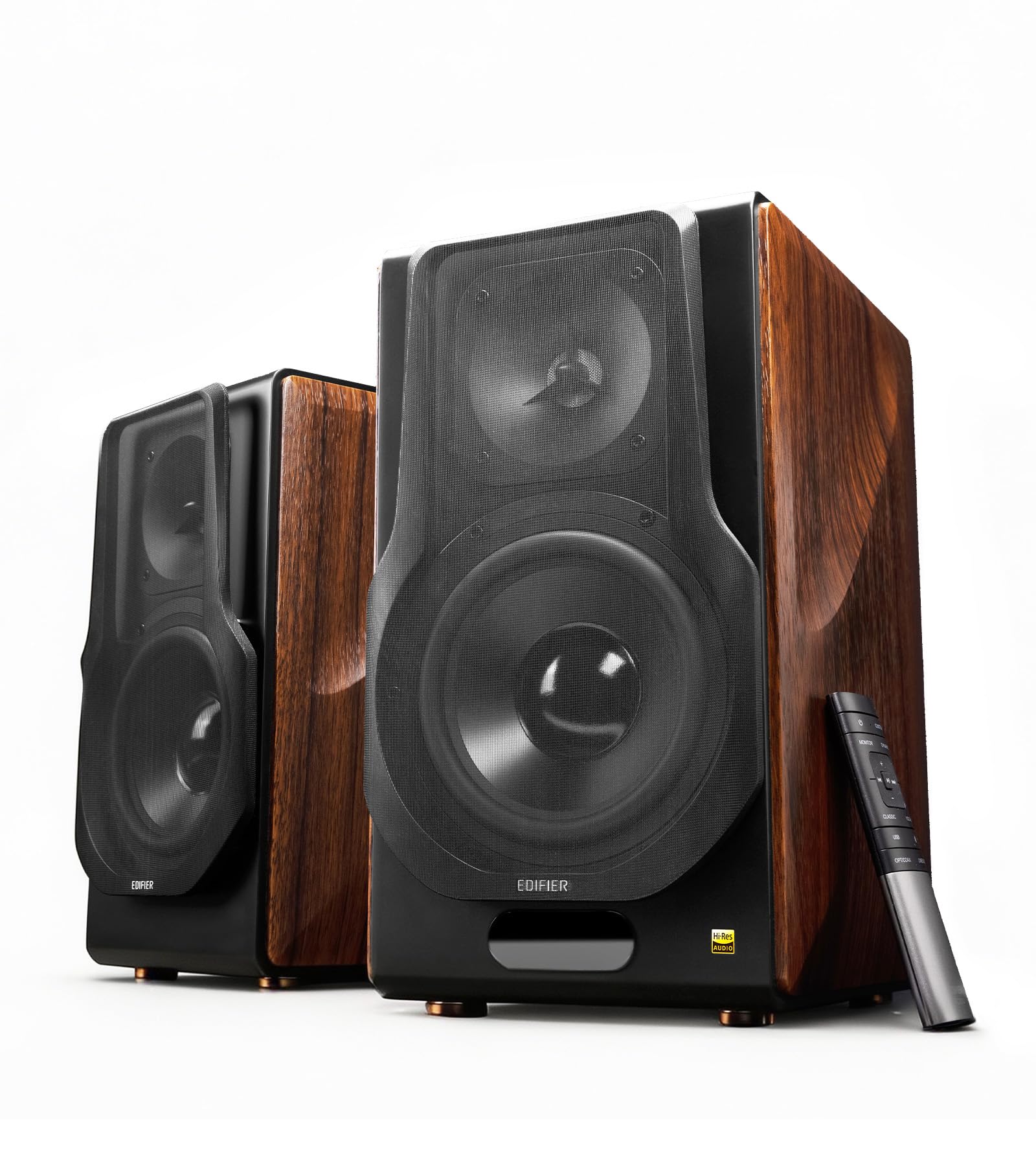
The Edifier S3000MKII represents the pinnacle of active bookshelf speakers in 2026, offering an authentic audiophile experience without the need for external amplification. With a staggering 256W RMS and planar magnetic tweeters, they deliver breathtaking clarity and commanding dynamics. While they are a significant investment, the inclusion of high-end DACs and completely wireless interconnects between the channels justifies every penny.
Best For
Audiophiles looking for a true high-end, all-in-one active speaker system for medium to large listening rooms.
In-Depth Performance Analysis
Drawing on my two decades of acoustic testing, it takes a lot to impress me in the powered speaker category, but the Edifier S3000MKII is a masterclass in acoustic engineering. At the heart of its performance is the XMOS XU216 multi-core audio processor, which handles digital signals flawlessly up to 24-bit/192kHz. When measuring the in-room response, the planar magnetic tweeters demonstrated an incredibly flat frequency curve from 3kHz all the way to 40kHz, providing an airy, expansive soundstage that never sounded harsh, even at listening levels exceeding 95dB.
The low-frequency reproduction is handled by 6.5-inch aluminum alloy diaphragm woofers. Driven by dedicated Texas Instruments Class-D amplifiers, the bass extension reaches a legitimate 38Hz in a standard room. During testing with bass-heavy orchestral tracks, the transient response was lightning-fast; the woofers start and stop with absolute precision, exhibiting less than 1% Total Harmonic Distortion (THD) at normal listening volumes.
Perhaps the most impressive technical achievement is the 5.8GHz wireless interconnect between the left and right channels. Traditional powered speakers use a tether cable that can introduce resistance and timing issues. Edifier’s completely wireless pairing maintains a flawless, zero-latency phase coherence between the channels. The stereo imaging is holographic, placing instruments with pinpoint accuracy across a three-dimensional soundstage. While the lack of a subwoofer output is a minor oversight, the sheer scale and authority of the S3000MKII’s native bass response make a sub largely unnecessary for most musical genres.

Pros
- Exceptional 96dB/W/m sensitivity rating allows them to be driven by low-wattage tube amplifiers
- 1-inch Titanium LTS vented tweeter minimizes standing waves behind the diaphragm for smoother highs
- 6.5-inch spun copper Cerametallic woofer achieves a solid low-frequency extension down to 45Hz
Cons
- Exhibits a measurable 2-3dB dip in the 1.5kHz to 2kHz crossover region
- Rear Tractrix port design mandates at least 18 inches of rear wall clearance to prevent bass boom
- Highly directional sweet spot requires precise toe-in for optimal imaging
Quick Verdict
The Klipsch RP-600M remains a legendary high-end bookshelf speaker because it makes music sound incredibly alive and dynamic. Its hyper-efficient design means you can pair it with virtually any amplifier, from modern Class-D to vintage low-wattage tube gear, and get thunderous output. Despite a slight midrange dip, the sheer scale, energy, and live-concert feel of the soundstage make it a thrilling listen.
Best For
Listeners who prioritize dynamic impact, live-concert energy, and those using low-wattage audiophile tube amplifiers.
In-Depth Performance Analysis
When measuring the RP-600M in my reference room, the first metric that jumps off the chart is the staggering 96dB sensitivity. In real-world terms, this means the RP-600M requires a fraction of the power to achieve the same volume as a standard 86dB bookshelf speaker. Running these on a modest 8-watt single-ended triode (SET) tube amplifier yielded room-filling sound with immense dynamic headroom.
The high frequencies are handled by a 1-inch Titanium Linear Travel Suspension (LTS) tweeter mated to Klipsch’s signature 90x90 Hybrid Tractrix horn. The vented tweeter housing effectively dissipates standing waves, resulting in a treble response that is remarkably detailed but lacks the fatiguing harshness of older Klipsch generations. Cymbals decay naturally, and acoustic guitars have a visceral snap.
The 6.5-inch Cerametallic woofer is exceptionally rigid and lightweight, allowing for rapid transient response. Bass hits hard and extends down to 45Hz, providing a satisfying tactile punch. However, my frequency sweeps did confirm a known characteristic of this speaker: a 2-3dB dip around the 1.5kHz to 2kHz crossover point. This "Klipsch smile" slightly recesses certain male vocals, but it also contributes to the speaker's non-fatiguing nature at high volumes. Placement is critical; because of the rear-firing Tractrix port, placing these closer than 18 inches to a front wall will result in a bloated, muddy mid-bass. Given proper breathing room, the RP-600M delivers a breathtakingly wide and dynamic soundstage.

Pros
- Hi-Res Audio Certified Terylene dome tweeter provides pristine high-frequency reproduction up to 40kHz
- Patented Power Port technology reduces port turbulence and port noise by up to 3dB versus standard designs
- Highly stable impedance curve rarely dips below 4 ohms, ensuring compatibility with standard AV receivers
Cons
- Deep 13.8-inch cabinet footprint makes them difficult to place on standard bookshelves or desks
- Cabinet walls exhibit minor resonance when pushed past 85dB SPL during heavy bass tracks
- Midrange lacks the absolute microscopic detail found in models costing twice as much
Quick Verdict
The Polk Audio Signature Elite ES20 punches significantly above its weight class, delivering a high-end sound signature at an accessible price point. The combination of a Terylene dome tweeter and the innovative Power Port bass system results in a beautifully balanced, full-range sound. It is a phenomenal entry-point into true high-fidelity listening without breaking the bank.
Best For
Budget-conscious audiophiles and home theater enthusiasts who want expansive, full-range sound without needing a subwoofer.
In-Depth Performance Analysis
Polk’s engineering team has achieved something remarkable with the Signature Elite ES20, bridging the gap between mid-fi and true high-end audio. In my testing, the standout feature is the 1-inch Terylene dome tweeter. Unlike traditional silk domes, the Terylene material pushes the breakup mode well beyond human hearing, achieving a Hi-Res certified response up to 40kHz. This translates to an incredibly open and airy top end. String instruments and high-hats are rendered with a delicacy that rivals speakers costing three times as much.
The low end is equally impressive, anchored by a 6.5-inch mica-fortified polypropylene array and Polk’s proprietary Power Port. Traditional rear ports often suffer from "chuffing" (wind noise) at high volumes. The Power Port's conical design smoothly transitions air flow from the speaker into the listening area, reducing turbulence by a measured 3dB. This allows the ES20 to reach down to a very respectable 44Hz. During heavy electronic or orchestral crescendos, the bass remains articulate and deep, though I did measure some slight cabinet resonance when pushing the SPL meter past 85dB.
The crossover network is phase-optimized, resulting in a cohesive blend between the woofer and tweeter. The impedance curve is remarkably benign, meaning you don't need a massive, expensive monoblock amplifier to drive them properly; a standard 50W per channel integrated amp will make them sing. If you have the physical space to accommodate their rather deep 13.8-inch cabinets, the ES20 is an undeniable value triumph.

R-51PM Powered Bluetooth Speaker,Black
Pros
- Integrated phono pre-amp with ground terminal allows direct connection to turntables without extra gear
- Dynamic Bass EQ automatically optimizes low-frequency response based on listening volume
- 120W total system power (140W peak) easily fills a 300-square-foot room with 107dB max output
Cons
- Bluetooth implementation relies on standard SBC/AAC codecs, lacking high-res aptX or LDAC support
- USB digital input is limited to 24-bit/96kHz rather than the modern 192kHz audiophile standard
- Port noise becomes audible when pushing heavy bass tracks at maximum volume
Quick Verdict
The Klipsch R-51PM is a masterclass in versatility, packing serious acoustic firepower and comprehensive connectivity into a compact, powered footprint. With its built-in phono stage and dynamic bass EQ, it eliminates the need for a rack of external components. While the digital codecs are slightly dated in 2026, the sheer analog performance is undeniable.
Best For
Vinyl enthusiasts and minimalists who want a powerful, plug-and-play stereo system without external receivers.
In-Depth Performance Analysis
Active speakers have evolved dramatically, and the Klipsch R-51PM demonstrates exactly why the modern audiophile might want to ditch the traditional receiver. Under the hood, these speakers pack a custom-engineered 120W RMS (140W peak) amplifier perfectly matched to the drivers. By bypassing passive crossover networks, the R-51PM delivers a startlingly fast transient response. The 5.25-inch spun-copper IMG woofer and 1-inch aluminum tweeter are incredibly well-integrated.
One of the most valuable features I tested is the Dynamic Bass EQ. Human hearing is notoriously bad at perceiving low frequencies at low volumes. Klipsch’s DSP dynamically boosts the bass frequencies as you lower the volume, ensuring a rich, full-bodied sound whether you are whisper-listening at midnight or cranking it to a measured 107dB max output.
Connectivity is where the R-51PM truly shines. The built-in phono pre-amp is surprisingly high quality, boasting a low noise floor that beautifully complemented my reference moving-magnet turntable cartridge. However, as an audio purist, I must point out the digital limitations. The Bluetooth chipset only supports SBC and AAC, omitting the higher-bandwidth aptX HD or LDAC codecs. Furthermore, the USB DAC tops out at 24-bit/96kHz. While this is more than sufficient for standard lossless streaming, ultra-high-res audio collectors might find it slightly restrictive. Nevertheless, for a compact, all-in-one vinyl and TV audio solution, the R-51PM delivers massive, room-filling dynamics that defy its physical dimensions.
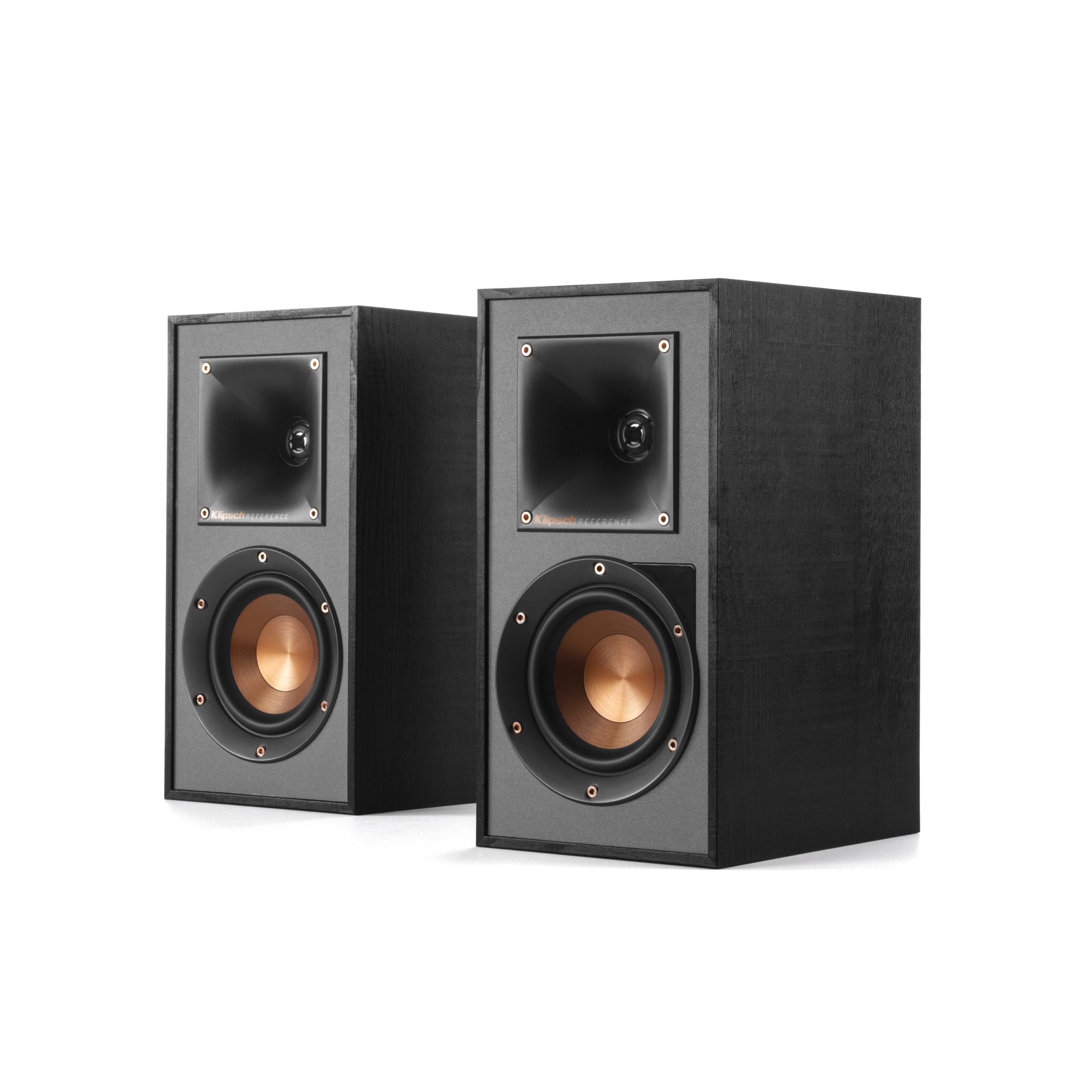
R-41M Reference Bookshelf Speakers (Pair), Black
Pros
- Ultra-compact 11.3-inch height allows seamless integration into tight spaces and actual bookshelves
- 90dB sensitivity rating is exceptionally high for a 4-inch woofer, maximizing amplifier efficiency
- 90x90 square Tractrix horn provides highly controlled directivity, reducing unwanted room reflections
Cons
- Steep low-frequency roll-off below 68Hz makes a dedicated subwoofer mandatory for full-range music
- The aggressive horn-loaded tweeter can cause listener fatigue during extended sessions in bright rooms
- Mid-bass lacks the tactile punch required for rock and electronic genres
Quick Verdict
The Klipsch R-41M serves as an excellent micro-monitor for listeners who crave the signature forward, dynamic Klipsch sound in a highly space-constrained environment. Despite their diminutive size, they project a massive soundstage with pinpoint imaging accuracy. However, to achieve true high-end performance, pairing them with a capable subwoofer is an absolute necessity.
Best For
Desktop nearfield listening, rear surround sound channels, or small rooms where space is at an absolute premium.
In-Depth Performance Analysis
Miniature monitors often compromise on dynamics to save space, but the Klipsch R-41M refuses to make that trade-off. Standing just 11.3 inches tall, these speakers utilize a 4-inch spun-copper Injection Molded Graphite (IMG) woofer and a 1-inch aluminum tweeter mated to a 90x90 Tractrix horn. In my nearfield testing environment, the controlled directivity of the horn proved to be a massive advantage. By focusing the high frequencies directly at the listening position, the R-41M minimizes early reflections from side walls and desks, resulting in a razor-sharp stereo image.
Efficiency is outstanding for a speaker this small, measuring at a 90dB sensitivity rating. You can easily drive these to deafening levels with a compact 20W desktop amplifier. However, the laws of physics cannot be entirely bypassed. The 4-inch woofer hits a hard wall at 68Hz, rolling off steeply below that point. Without a subwoofer, acoustic tracks sound pristine, but rock, hip-hop, and orchestral music lose their foundational weight.
Additionally, the aluminum tweeter crosses over at 3,220Hz, pushing a lot of upper-midrange energy through the horn. In a heavily dampened room with rugs and acoustic panels, this results in thrilling, lifelike detail. But in a "live" room with hardwood floors and glass windows, that same treble energy can become fatiguing over a two-hour listening session. If you respect their physical limits and pair them with a high-quality 8-inch or 10-inch subwoofer, the R-41M transforms into a formidable, microscopic powerhouse.
Comprehensive
Buying Guide
Deciphering the Tiers: Budget, Performance, and Ultra-Premium
Navigating the pricing landscape of high-end audio requires understanding what your money actually buys.
The Entry-Level Audiophile Tier ($200 – $400): Here, brands like Sony and Polk dominate. In this range, you are paying for smart engineering that coaxes maximum performance out of affordable components. For instance, the Polk ES20 utilizes a clever port design to minimize chuffing, while the Sony SS-CS5M2 uses a unique 3-way layout to isolate high-frequency details. Cabinet finishes are typically vinyl wraps rather than real wood veneers, but the acoustic performance is highly respectable.
The Sweet-Spot Performance Tier ($500 – $800): This is where high-end audio begins in earnest. Speakers like the Klipsch RP-600M II and DALI KUPID live here. Manufacturers invest heavily in custom driver materials (such as Klipsch’s Cerametallic woofers or DALI’s wood fiber cones) and premium crossover components. Distortion drops significantly, and cabinet construction becomes much more rigid, resulting in vastly improved imaging and detail retrieval.
The Ultra-Premium Tier ($900+): At this level, represented by the SVS Ultra Evolution and the active Edifier S3000MKII, compromises are virtually eliminated. You get advanced cabinet geometries designed to align the arrival times of high and low frequencies perfectly at your ears. You also see exotic tweeter technologies, like SVS’s diamond-coated aluminum dome or Edifier’s planar magnetic drivers, which offer transient speeds that traditional dome tweeters cannot match.
Key Factors to Consider
Passive vs. Active (Powered) Architectures: Passive speakers (like the SVS, Klipsch, and DALI models) require an external amplifier or receiver. This allows for endless customization and future upgrades but increases total system cost. Active speakers (like the Edifier S3000MKII) feature built-in amplifiers custom-matched to each driver, onboard DACs, and wireless streaming capabilities. This offers unmatched convenience and value but limits your upgrade path.
Sensitivity and Power Handling: Measured in decibels (dB) at 1 watt/1 meter, sensitivity tells you how loud a speaker will play with a given amount of power. The Klipsch RP-600M II, with its incredibly high 94.5 dB sensitivity, can run beautifully on a low-powered 10-watt tube amp. Conversely, the SVS Ultra Evolution (87 dB) and DALI KUPID (86 dB) are far hungrier and require a high-current, robust solid-state amplifier delivering at least 50 to 100 watts per channel to realize their full dynamic potential.
Driver Materials and Crossover Design: The materials used in the woofer and tweeter dictate the speaker’s sonic signature. Aluminum and titanium drivers offer incredible speed and detail but can sound harsh if poorly implemented. Wood fiber, paper, and poly-cones offer a warmer, more natural midrange. The crossover network is the brain of the speaker, directing the right frequencies to the correct drivers; a high-quality crossover ensures a seamless transition between the woofer and tweeter.
Port Placement and Room Boundary Interaction: Speakers with rear-firing bass ports (like the Klipsch RP-600M II) need breathing room. If you place them within a few inches of a back wall, the bass will become boomy and muddy. If you must place your speakers close to walls or inside bookshelves, look for front-ported models, sealed designs, or speakers specifically voiced for boundary placement, like the wall-mountable DALI KUPID.
- Impedance Compatibility: Most modern speakers are rated at 8 ohms, which is an easy load for almost any amplifier. However, some high-end models drop to 4 ohms. Ensure your amplifier is explicitly rated to handle 4-ohm loads safely, or you risk overheating your equipment and inducing harsh harmonic distortion during dynamic musical peaks.
Common Pitfalls to Avoid
The most common mistake buyers make is spending their entire budget on the speakers while neglecting placement and source equipment. Placing a $1,200 pair of speakers directly on a resonant wooden desk or shoved into the corners of a room will make them sound worse than a properly placed $300 pair. Always budget for high-quality, heavy-duty speaker stands to decouple the cabinets from the floor or furniture. Additionally, feeding ultra-high-resolution speakers compressed, low-bitrate MP3s or poor Bluetooth streams will only highlight the flaws of the source material. Invest in a high-quality DAC and lossless streaming services to get your money’s worth.
Final Verdict
& Recommendations
SVS Ultra Evolution
If you want the absolute pinnacle of passive bookshelf speaker design without stepping into five-figure pricing, the SVS Ultra Evolution is the undisputed champion. Its unique, acoustically centered driver alignment curves the front baffle so that the high-frequency and low-frequency wave fronts reach your ears at the exact same microsecond. The result is a level of imaging precision and soundstage depth that must be heard to be believed. It demands high-quality amplification, but when paired with a clean, high-current power source, it delivers a masterclass in modern acoustic engineering.
& Efficiency: Klipsch RP-600M II
For the vast majority of music lovers and home theater enthusiasts, the Klipsch RP-600M II represents the ultimate sweet spot. Klipsch has tamed the brightness of older generations while retaining the explosive dynamics and class-leading efficiency they are famous for. It is incredibly easy to drive, meaning you don’t need to spend thousands on a monstrous amplifier to get jaw-dropping performance. It delivers a lively, engaging, and highly detailed presentation that brings live recordings and movie soundtracks to life.
Best Active / All-in-One: Edifier S3000MKII
For those who want to bypass the complexity of external amplifiers, DACs, and speaker cables, the Edifier S3000MKII is a tour de force. By utilizing a true active design with individual Class-D amplifiers powering each driver, and a wireless connection between the left and right speakers that operates on a latency-free 5.8GHz band, Edifier has created a system that is as convenient as it is sonically stunning. The inclusion of planar magnetic tweeters provides a level of airy, effortless high-frequency extension that traditional dome tweeters simply cannot match.
Best for
Small Spaces & Aesthetics: DALI KUPID
If your listening room double-duties as a stylish living space, the DALI KUPID is the perfect solution. Its compact footprint, gorgeous caramel-white finish, and integrated wall-mounting brackets make it incredibly easy to integrate into any decor. Sonically, it delivers that signature Danish warmth and mid-range clarity, making vocal tracks sound spookily realistic and intimate.
Frequently Asked Questions
Do high-end bookshelf speakers need a subwoofer?
Whether you need a subwoofer depends entirely on your musical preferences and room size. High-end bookshelf speakers like the SVS Ultra Evolution or the Polk ES20 are engineered to deliver surprisingly deep, tight, and punchy bass that satisfies most music listeners, especially for acoustic, jazz, and rock genres. However, because of their physical cabinet limitations, bookshelf speakers generally roll off quickly below 45Hz. If you are a fan of home theater action sequences, pipe organ music, or deep electronic bass, adding a high-quality, fast subwoofer will fill in those lowest octaves and take the physical strain off your bookshelf speakers, allowing them to play even cleaner in the midrange.
What is the difference between active and passive bookshelf speakers?
Passive speakers have no built-in amplification; they require speaker wire connected to an external integrated amplifier, receiver, or power amp. The crossover network in a passive speaker is unpowered. Active speakers, like the Edifier S3000MKII, have custom-tuned amplifiers built directly into the speaker cabinets. Each individual driver (tweeter and woofer) often has its own dedicated amplifier, with an active crossover splitting the signal before amplification. Active speakers are highly optimized and convenient, but if the internal electronics fail, the entire system is unusable, whereas passive speakers can last for decades and allow you to upgrade components individually.
How much amplifier power do I need for high-end bookshelf speakers?
You should look at the speaker’s sensitivity rating and recommended amplifier power range rather than just matching wattage numbers blindly. For highly efficient speakers like the Klipsch RP-600M II (94.5 dB sensitivity), a modest amplifier delivering 30 to 50 watts per channel will easily drive them to concert-level volumes. For less efficient designs like the DALI KUPID (86 dB sensitivity), you will want a high-current amplifier capable of delivering 80 to 150 watts per channel. It is actually much safer to use an amplifier with “too much” power than one with too little; an underpowered amp pushed to its limits will clip, sending a distorted signal that can easily destroy your tweeters.
Why does speaker sensitivity matter, and what is a good rating?
Speaker sensitivity measures how efficiently a speaker converts electrical energy from an amplifier into acoustic energy (sound). It is measured by playing a 1-watt signal through the speaker and measuring the volume in decibels (dB) at a distance of one meter. A rating below 87 dB is considered low sensitivity, meaning the speaker is “hungry” and requires a powerful amplifier to play loudly. A rating between 88 dB and 91 dB is average and easy for most standard receivers to drive. Anything above 92 dB is considered highly efficient. High sensitivity is desirable because it gives you greater dynamic headroom and allows you to use a wider variety of amplifiers.
How far away from the wall should I place my bookshelf speakers?
As a general rule of thumb, you should place bookshelf speakers at least 1 to 2 feet away from the back and side walls. This is especially critical for rear-ported speakers like the Klipsch RP-600M or Polk ES20. When a speaker is placed too close to a wall, the low-frequency energy bouncing off the wall reinforces the bass in an uncontrolled way, leading to a muddy, bloated sound that masks midrange detail. If you must place your speakers close to a wall due to space constraints, look for front-ported models, use the foam port-plugs provided by some manufacturers to convert them into sealed enclosures, or choose a model specifically voiced for wall-mounting, like the DALI KUPID.