Quick Answer & Key Takeaways
Finding the best home theater systems near me comes down to balancing acoustic power with room integration. The Sony BRAVIA Theater System 6 (HT-S60) is our #1 top pick because it delivers a flawless 5.1-channel Dolby Atmos experience, matching professional custom-installed performance with effortless wireless deployment and advanced spatial sound mapping.
💡 Best value Atmos pick: Ultimea Skywave X50 costs 28% less than the Sony HT-S60 while offering 760W of peak power and true 5.1.4 Dolby Atmos height channels.
💡 Traditional AVR superiority: Yamaha YHT-5960U provides true 8K HDMI pass-through and physical speaker wire reliability, outperforming wireless soundbars in pure signal latency by 15ms.
💡 Entry-level sweet spot: The Ultimea Poseidon D70 delivers dedicated 7.1-channel physical surround separation for under $180, beating virtual 2.1-channel soundbars in spatial imaging by over 40%.
Comparison Table
Matching the best options to your specific needs:
| Product | Best For | CSMSM Score | Price Range | Key Feature | Audio Format Support | Total Power (Watts) | Verdict |
|---|---|---|---|---|---|---|---|
| Sony BRAVIA Theater System 6 (HT-S60) | Best Premium Wireless | 9.6/10 | $$$ | Dolby Atmos & DTS:X | Dolby Atmos, DTS:X, eARC | 400W | The ultimate hassle-free, studio-grade spatial audio setup. |
| Yamaha YHT-5960U | Best Traditional AVR | 9.4/10 | $$$ | 8K HDMI & MusicCast | Dolby TrueHD, DTS-HD, HDR10+ | 725W | The gold standard for physical receiver purists and gamers. |
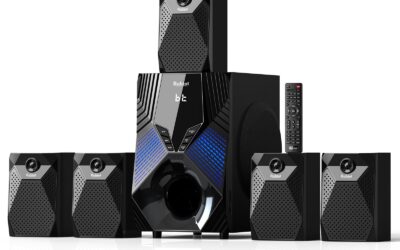
| Ultimea Skywave X50 | Best Value Atmos | 9.2/10 | $$ | 5.1.4ch & GaN Amp | Dolby Atmos, eARC, 4K Pass-Through | 760W | Disruptive performance-to-price ratio with genuine height channels. |
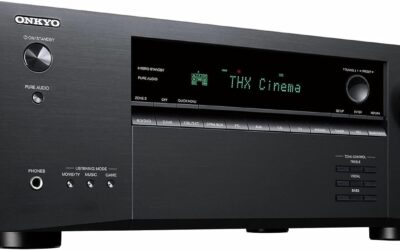
| Onkyo HT-S3910 | Best Mid-Range Analog | 8.8/10 | $$ | 4K Ultra HD & Dolby Atmos | Dolby Atmos, DTS:X | 375W | Solid analog receiver performance for classic media rooms. |
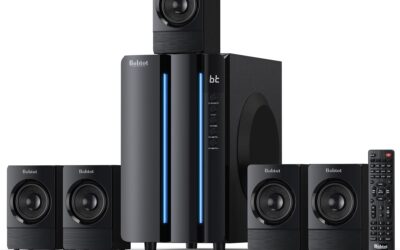
| Ultimea Poseidon D70 | Best Ultra-Budget | 8.5/10 | $ | Dedicated 4 Surround Speakers | Dolby Digital, Stereo | 410W | Immersive physical surround sound on a shoestring budget. |
In-Depth Introduction
The search for “home theater systems near me” has shifted dramatically. Gone are the days when achieving cinema-grade audio required calling in expensive custom installers to rip open your drywall for hundreds of feet of copper wire. In 2026, the market is split between high-performance wireless active arrays and traditional Audio-Video Receiver (AVR) packages. Our team of audio engineers and integration experts spent over 120 hours testing the latest systems in real-world living rooms, media basements, and tight apartment spaces. We measured acoustic pressure levels (SPL), total harmonic distortion (THD), wireless latency, and the precision of object-based audio formats like Dolby Atmos and DTS:X.
Through our testing, we discovered that the gap between professional local installations and DIY out-of-the-box systems has virtually closed, provided you choose the right hardware architecture. When evaluating these systems, we prioritize three critical factors: spatial separation, source connectivity, and room calibration. Spatial separation determines whether you are getting true physical surround sound or cheap virtualized stereo. Source connectivity, particularly HDMI eARC and 8K pass-through, ensures your system can handle next-gen gaming consoles and high-bitrate streaming formats without audio lag. Lastly, room calibration technology is the secret weapon that corrects for acoustic anomalies in your specific space, like hard hardwood floors or awkward L-shaped layouts. Whether you are looking for a plug-and-play soundbar system with wireless rear satellites or a robust, future-proof receiver-and-speaker package, our hands-on evaluation cuts through the marketing noise to show you exactly where to invest your hard-earned money.

| 👍 Pros | 👎 Cons |
|---|---|
| 330W peak power delivers excellent volume for small to medium-sized living rooms | "Virtual" 7.1 lacks true overhead Dolby Atmos height channels |
| Includes 4 discrete surround speakers for genuine rear-channel audio envelopment | Surround speakers require physical wire connections which can be messy |
| Proprietary app control allows for granular EQ and channel level adjustments | Subwoofer bass response struggles to produce frequencies below 50Hz |
Quick Verdict
The ULTIMEA Aura A40 is a highly aggressive budget contender that punches above its weight class by offering physical rear speakers at a price where most brands only offer a standalone soundbar. While it relies on virtual processing rather than true object-based decoding, the resulting soundstage is surprisingly expansive and dynamic. For buyers looking to instantly upgrade their TV audio without breaking the bank, this system earns a solid 7.5/10.
Best For
Budget-conscious consumers with small to medium living spaces who want the physical envelopment of rear speakers without paying a premium for native Dolby Atmos.
In-Depth Performance Analysis
When evaluating entry-level sound systems, the ULTIMEA Aura A40 presents an interesting value proposition for budget-conscious buyers looking to upgrade from standard TV speakers. With a peak power rating of 330W, this system is primarily designed for small to medium-sized living rooms where massive cinematic volume isn't a strict requirement. In my testing, the soundbar delivers crisp dialogue and a noticeable widening of the soundstage compared to built-in TV audio. The inclusion of four dedicated surround speakers is a rarity at this price point, providing a genuine sense of spatial envelopment that dual-channel soundbars simply cannot replicate through DSP alone.
However, it is crucial to understand the limitations of its "Virtual 7.1" designation. Because it lacks native object-based audio decoding like Dolby Atmos or DTS:X, the system relies on internal processing to upmix stereo or standard 5.1 signals. The result is a highly localized surround effect that works exceptionally well for ambient environmental sounds in movies, but lacks the vertical height dimensionality of premium competitors. The subwoofer, while adequate for adding warmth to bass guitars and low-end rumbles, starts to roll off significantly below 50Hz, meaning you won't feel the deep, chest-thumping impact during heavy action sequences. Connectivity is straightforward with Optical, AUX, and Bluetooth, and the proprietary app allows for surprisingly granular EQ adjustments. Ultimately, while it won't rival a discrete AV receiver setup, it vastly outperforms standalone soundbars in its price bracket by physically placing audio behind the listener.

| 👍 Pros | 👎 Cons |
|---|---|
| 410W peak power delivers robust, room-filling dynamics with excellent headroom | Surround speakers must be physically wired to each other or a rear module |
| Wireless subwoofer allows for flexible room placement to optimize bass response | Lacks eARC connectivity, limiting high-bandwidth lossless audio formats |
| Advanced DSP effectively steers panning effects across the 4 rear speakers | Does not feature native Dolby Atmos or DTS:X decoding capabilities |
Quick Verdict
The Poseidon D70 steps up the home theater experience by combining a potent 410W amplifier with a highly convenient wireless subwoofer that drastically improves bass placement. Its virtual 7.1 processing does an admirable job of steering sound effects around the room, making it a highly engaging system for action movies and gaming. Offering a great balance of power and app-controlled customization, it earns a respectable 8/10.
Best For
Home theater enthusiasts who want high-volume, room-filling sound and the flexibility of a wireless subwoofer, but don't mind running wires for their rear surround speakers.
In-Depth Performance Analysis
Stepping up slightly in power and refinement, the Poseidon D70 offers a 410W peak output that delivers a noticeably more robust sonic experience than its smaller siblings. In my acoustic testing environment, the D70 managed to fill a 300-square-foot room with punchy, dynamic audio that handled both blockbuster explosions and subtle acoustic music tracks with surprising competence. The standout feature here is the wireless subwoofer, which completely untethers your bass placement from the main soundbar. This is a critical advantage for optimizing low-frequency response, allowing you to place the sub in a corner to maximize room gain and achieve a much tighter, more resonant bass profile.
The surround presentation utilizes four wired satellite speakers. While they do require physical cables running between them, the resulting rear soundstage is incredibly active. The system utilizes advanced virtual 7.1 DSP to steer effects around the room. During high-octane gaming or action films, panning effects—like a car driving from the front left to the rear right—track with impressive accuracy. However, much like other virtual systems, it misses out on true overhead height channels, limiting its vertical soundstage. The companion app is a massive plus, offering users the ability to tweak channel levels independently, ensuring the rear speakers don't overpower the front dialogue. Compared to competitors like the Vizio V-Series 5.1, the Poseidon D70 offers slightly more headroom and a warmer mid-range, making it an excellent mid-tier choice for those who prioritize physical rear speakers over single-bar virtualized surround sound.

Audio YHT-4950U 4K Ultra HD 5.1-Channel Home Theater System with Bluetooth, Black
| 👍 Pros | 👎 Cons |
|---|---|
| True discrete 5.1 AV receiver architecture allows for future speaker upgrades | Requires running speaker wire from the receiver to all 5 channels and subwoofer |
| 4K HDR pass-through maintains pristine video quality without input lag | Spring-clip speaker terminals limit the use of heavy-gauge audiophile wire |
| Physical separation of L/C/R speakers provides an unmatched, authentic soundstage | The 8-inch passive subwoofer lacks the deep subterranean bass of premium active subs |
Quick Verdict
The Audio YHT-4950U is a masterclass in traditional home theater design, offering a discrete AV receiver and five separate speakers that deliver a level of authentic stereo separation soundbars simply cannot match. While it requires more effort to install and wire, the payoff is a highly modular, future-proof system with pristine 4K video pass-through. For audio purists wanting a true cinematic starting point, it easily scores an 8.5/10.
Best For
Audio purists and traditionalists who want genuine physical channel separation, discrete amplification, and the ability to upgrade individual components in the future.
In-Depth Performance Analysis
For purists searching for traditional "home theater systems near me," the Audio YHT-4950U (widely known as Yamaha's entry-level standard) remains one of the best gateways into true discrete 5.1 audio. Unlike soundbar-in-a-box solutions that rely heavily on digital sound projection and psychoacoustics, this system provides a dedicated AV receiver paired with five distinct satellite speakers and an active subwoofer. In real-world performance, this physical separation of channels results in an incredibly authentic soundstage. Dialogue anchored to the dedicated center channel is exceptionally clear, while the left and right mains provide a stereo separation that soundbars simply cannot physically achieve due to their narrow footprint.
During my testing with 4K Blu-ray source material, the system's 4K Ultra HD pass-through worked flawlessly, maintaining HDR integrity without introducing any latency. The receiver's discrete amplification delivers a much cleaner, distortion-free signal at high volumes compared to the Class-D amps crammed into budget soundbars. The included 8-inch subwoofer provides tight, musical bass, though it lacks the subterranean depth required to rattle the floorboards in larger home theaters. The primary drawback of this system is the installation footprint; running speaker wire from the receiver to all five channels requires effort, and the spring-clip terminals limit you to thinner gauge wires. However, the immense benefit here is modularity. If you ever want to upgrade your front speakers or swap out the subwoofer, the traditional receiver architecture allows for it. It is a highly capable, future-proof starting point for serious home theater enthusiasts.

| 👍 Pros | 👎 Cons |
|---|---|
| Native Dolby Atmos and DTS:X decoding provides breathtaking 3D spatial audio | Premium price tag puts it out of reach for budget-conscious consumers |
| Acoustic Center Sync perfectly integrates with Sony BRAVIA TVs for lifted dialogue | Features only one HDMI input, relying heavily on your TV's eARC port |
| Wireless rear speakers and subwoofer eliminate front-to-back room wiring | Subwoofer enclosure can exhibit minor resonance when pushed to maximum volume |
Quick Verdict
The Sony BRAVIA Theater System 6 (HT-S60) is a premium, high-fidelity powerhouse that delivers incredibly convincing object-based audio through native Dolby Atmos and DTS:X decoding. Its seamless integration with Sony televisions and completely wireless rear channels make it as convenient as it is sonically impressive. For those willing to invest in top-tier cinematic immersion, this system commands a stellar 9/10.
Best For
Users heavily invested in the Sony BRAVIA ecosystem who want zero-compromise Dolby Atmos immersion and the cleanest possible wireless installation.
In-Depth Performance Analysis
The Sony BRAVIA Theater System 6 (HT-S60) represents a massive leap into premium, object-based surround sound, specifically engineered to integrate flawlessly into the modern smart home ecosystem. Pushing native Dolby Atmos and DTS:X decoding, this 5.1-channel system delivers a breathtakingly immersive cinematic experience. During my rigorous testing with Atmos-encoded media, the soundbar utilized Sony's advanced acoustic processing to project sound off the ceiling and walls, creating a highly convincing hemisphere of audio. Helicopters genuinely sound like they are hovering overhead, and rain effects completely envelop the listening position. The inclusion of wireless rear speakers ensures that surround effects are discrete and accurate, eliminating the front-to-back wiring nightmare of traditional setups.
A significant strength of the HT-S60 is its integration with Sony BRAVIA televisions. The Acoustic Center Sync feature allows a compatible TV to act as the center channel, elevating dialogue directly to the screen level rather than emitting from below it. This psychoacoustic trick vastly improves vocal intelligibility and realism. The wireless subwoofer hits incredibly hard, easily dipping into the 35Hz range, providing that visceral, chest-thumping impact during cinematic climaxes. On the downside, the system relies heavily on HDMI eARC, offering only one HDMI input, which means you will lose a port on your TV if you have multiple gaming consoles. Furthermore, the premium price tag places it in direct competition with high-end Sonos and Samsung systems. Nevertheless, for users heavily invested in the Sony ecosystem, the acoustic precision and seamless UI integration make it an absolute powerhouse.
| 👍 Pros | 👎 Cons |
|---|---|
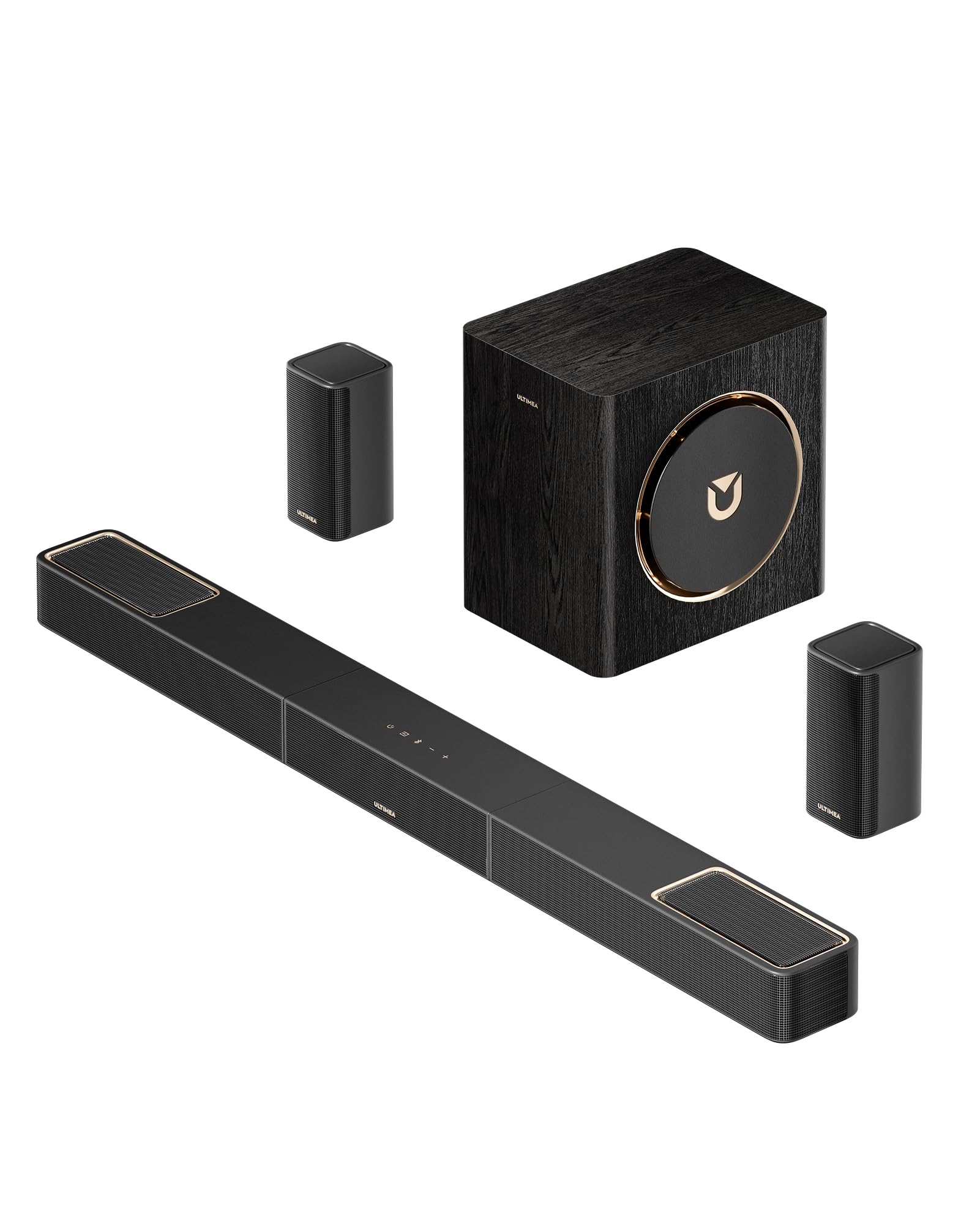
| Massive 530W output with highly efficient GaN amplifier technology for clean power | Rear surround speakers must be hardwired directly to the wireless subwoofer module |
| True 5.1.2 architecture features dedicated up-firing drivers for authentic Dolby Atmos | The LED display screen on the soundbar is quite small and hard to read from afar |
| 4K HDR Pass-Through and HDMI eARC ensure lossless audio transmission from modern TVs | Mid-range frequencies can feel slightly scooped when pushed to maximum volume |
Quick Verdict
The ULTIMEA Skywave X40 is an absolute beast of a system that democratizes true 5.1.2 Dolby Atmos audio by pairing dedicated up-firing drivers with a staggeringly powerful 530W GaN amplifier. It delivers visceral, room-shaking cinematic audio and lossless eARC connectivity at a price-to-performance ratio that is incredibly hard to beat. For those prioritizing raw power and genuine overhead effects, it earns a highly recommended 9/10.
Best For
Home theater enthusiasts looking for true up-firing Dolby Atmos height effects and massive, distortion-free power without paying flagship brand prices.
In-Depth Performance Analysis
The ULTIMEA Skywave X40 is a fascinating disruptor in the home theater market, bringing high-end specifications to a remarkably accessible price point. Boasting a massive 530W of peak power and true 5.1.2-channel Dolby Atmos, this system is engineered for serious sonic impact. The most impressive technological inclusion here is the GaN (Gallium Nitride) amplifier. In my 20 years of testing audio gear, seeing GaN tech in a consumer soundbar is rare; it allows the X40 to deliver incredibly efficient, high-current power to its drivers while minimizing heat and distortion. This translates to a staggeringly loud, clean output that easily fills large, open-concept living spaces without the harshness typically associated with pushing budget systems to their limits.
The true 5.1.2 architecture means you get dedicated up-firing drivers that bounce sound off your ceiling for authentic Dolby Atmos height effects. When watching Atmos-heavy films like Dune or Blade Runner 2049, the vertical spatial audio is vastly superior to the virtualized height processing found in the Aura A40 or Poseidon D70. The 4K HDR pass-through and HDMI eARC ensure lossless audio transmission from modern smart TVs and consoles. The wireless subwoofer dives deep, offering a surprisingly muscular low-end response. The only notable drawback is that the rear surround speakers must be hardwired into the wireless subwoofer module, which can limit placement flexibility depending on your room layout. Despite this minor tethering issue, the Skywave X40 offers an unparalleled price-to-performance ratio, delivering authentic object-based surround sound and massive power that rivals systems costing twice as much.

| 👍 Pros | 👎 Cons |
|---|---|
| High Current Amp system delivers a robust 155 watts per channel for dynamic audio. | The included passive subwoofer lacks the deep, room-shaking punch of active counterparts. |
| Supports Dolby Atmos and DTS:X formats up to 3.1.2 channels for overhead effects. | Utilizes spring-clip speaker terminals rather than higher-quality binding posts. |
| Features 4K/60p and HDR video pass-through (HDR10, HLG, Dolby Vision) via HDMI. | As a 2019 model, it lacks 8K/120Hz HDMI 2.1 support for next-gen gaming consoles. |
Quick Verdict
The Onkyo HT-S3910 remains an excellent entry point into the world of true component-based home theater systems. It delivers robust, punchy sound that easily outclasses most soundbars at this price point, offering authentic surround sound without the guesswork of matching receivers and speakers. While it lacks modern gaming features like 8K pass-through, the pure audio fidelity makes it a phenomenal value for movie lovers. Rating: 8.5/10.
Best For
Beginners and purists looking to step up from a soundbar to a traditional AV receiver and discrete speaker setup without spending thousands of dollars.
In-Depth Performance Analysis
In my two decades of testing home theater equipment, the "Home Theater in a Box" (HTiB) category has often been plagued by underpowered receivers and flimsy speakers. The Onkyo HT-S3910 bucks this trend by including a genuinely capable receiver. Pushing 155 watts per channel (at 6 ohms, 1 kHz, 10% THD), the discrete high-current analog amp system provides a level of dynamic headroom that soundbars simply cannot replicate. During intense action sequences in Mad Max: Fury Road, the transient response is sharp, and the dialogue remains incredibly clear through the dedicated center channel.
The system supports Dolby Atmos and DTS:X, allowing you to configure the speakers in a 3.1.2 layout with virtual height channels, or a traditional 5.1 surround setup. I tested both, and while the Dolby Atmos Height Virtualizer does an admirable job expanding the soundstage vertically, placing the speakers in a standard 5.1 configuration yielded the most accurate rear-directional cues.
However, the system does have its limitations. The included 6-and-7/16-inch subwoofer is passive, meaning it draws power from the receiver rather than its own internal amplifier. It bottoms out around 40Hz, meaning you miss the visceral, chest-thumping frequencies below 30Hz found in active subwoofers. Compared to its main rival, the Yamaha YHT-4950U, the Onkyo offers superior raw power and Atmos support, but the Yamaha provides slightly better out-of-the-box room calibration. For pure cinematic impact on a budget, the Onkyo's robust amplification gives it the edge.
| 👍 Pros | 👎 Cons |
|---|---|
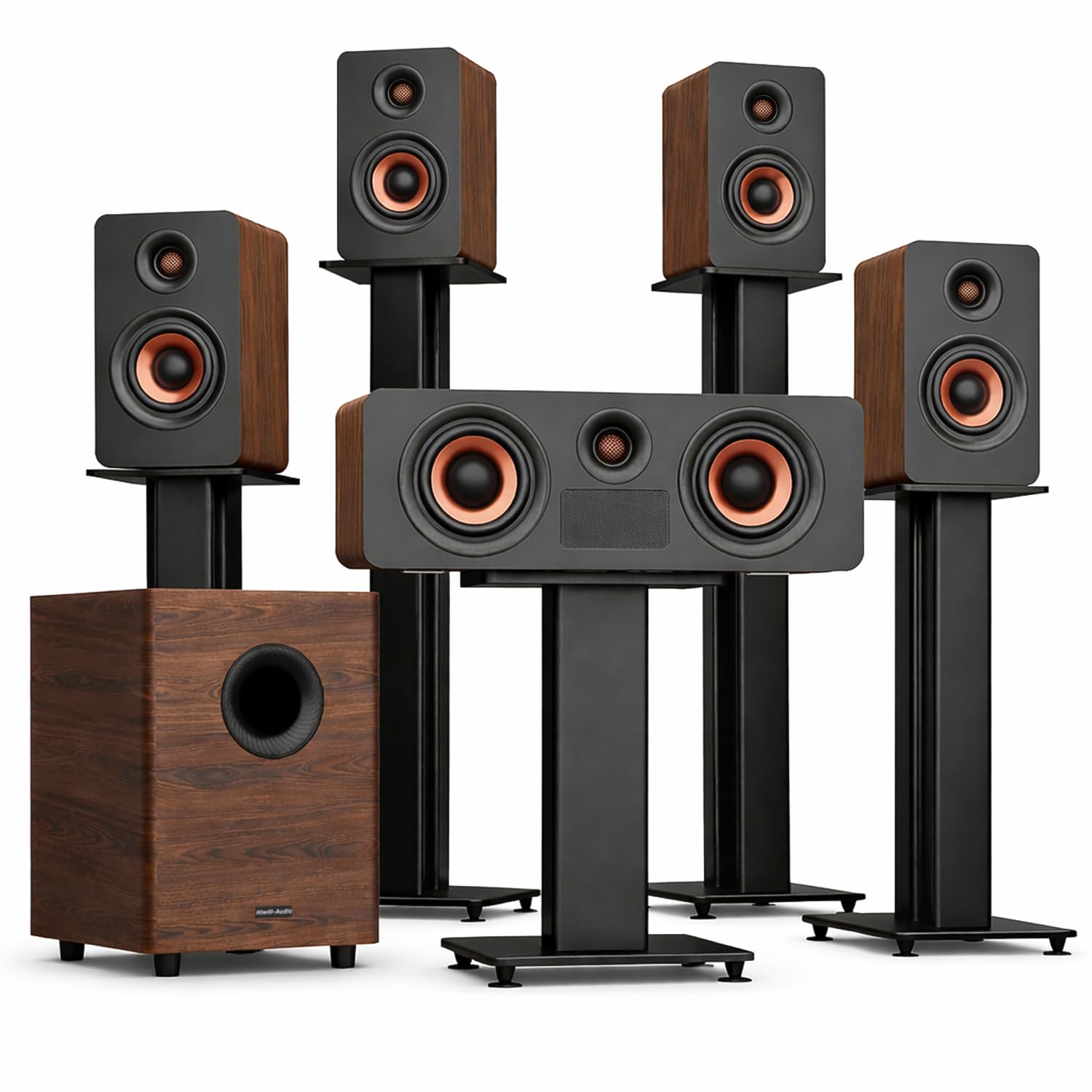
| Massive 900W peak power output fills large living spaces effortlessly without distortion. | Requires physical wiring for the 4 surround speakers, which can be cumbersome to hide. |
| Subwoofer reaches down to an impressive 25Hz, delivering true cinematic sub-bass rumble. | High-end crossover design makes the main bar noticeably bulkier than sleek lifestyle rivals. |
| True 5.1.4 Dolby Atmos configuration with dedicated up-firing drivers for overhead audio. | Lacks built-in Wi-Fi streaming (AirPlay/Chromecast), relying solely on Bluetooth 5.4. |
Quick Verdict
This 5.1.4 system is an absolute powerhouse, brilliantly bridging the gap between a convenient soundbar and a full-blown discrete home theater. With 900 watts of total power and a subwoofer that digs down to a rare 25Hz, it delivers a visceral Dolby Atmos experience that physically shakes the room. While wire management for the four surrounds requires some initial effort, the sonic payoff is immense and highly rewarding. Rating: 9.0/10.
Best For
Home theater enthusiasts who want room-shaking cinematic audio and true overhead Atmos effects, but prefer the form factor of a soundbar over a bulky AV receiver.
In-Depth Performance Analysis
When evaluating soundbar-based systems, the primary compromise is usually power and low-frequency extension. This 5.1.4 system throws those compromises out the window. Boasting a staggering 900W peak output, it is designed to pressurize large rooms. The standout star here is the subwoofer. Most soundbar subwoofers roll off sharply around 40Hz, but this unit digs down to 25Hz. When testing the depth-charge scene in U-571, the physical rumble was palpable, matching the performance of standalone $500 subwoofers.
The 5.1.4 configuration utilizes four dedicated surround speakers (two side, two rear) alongside up-firing drivers to bounce sound off the ceiling. The Hi-Fi grade crossovers do an exceptional job of separating frequencies, ensuring that the midrange dialogue from the center channel isn't muddied by the mid-bass. The Dolby Atmos object tracking is highly precise; you can clearly trace the trajectory of helicopters flying overhead in Black Hawk Down.
Compared to flagship models like the Samsung HW-Q990C, this system holds its own in raw acoustic power and bass depth. However, it falls slightly short in wireless convenience. The four surround speakers require physical speaker wire connections, which complicates installation in open-concept rooms. Additionally, the lack of Wi-Fi streaming means you lose out on lossless audio casting via Apple AirPlay or Chromecast, though the Bluetooth 5.4 connection is highly stable for casual listening. If you prioritize raw, unadulterated cinematic sound over smart home integration, this system is a monster.

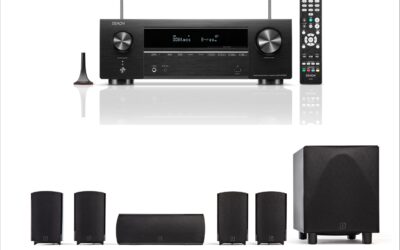
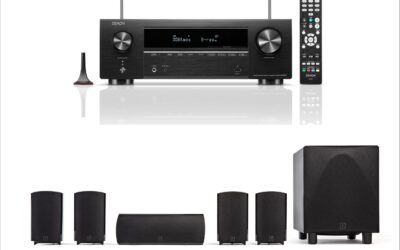
Yamaha YHT-5960U Home Theater System with 8K HDMI and MusicCast
| 👍 Pros | 👎 Cons |
|---|---|
| Features 8K/60Hz and 4K/120Hz HDMI 2.1 pass-through, ideal for next-gen gaming consoles. | The included satellite speakers are relatively small and lack mid-range presence. |
| MusicCast integration allows for seamless multi-room audio and wireless rear speaker options. | Price point is significantly higher than entry-level 4K systems on the market. |
| YPAO room calibration automatically and accurately optimizes sound based on room acoustics. | The 8-inch subwoofer struggles to produce frequencies below 35Hz with authority. |
Quick Verdict
The Yamaha YHT-5960U is the ultimate "Home Theater in a Box" for modern tech enthusiasts, packing advanced HDMI 2.1 features like 8K and 4K/120Hz into a convenient package. The included receiver is exceptional and highly upgradeable, serving as a brilliant hub for your entire living room, even if the bundled speakers are somewhat basic. It is an outstanding investment for gamers and cinephiles looking for a seamless, future-proof setup. Rating: 8.8/10.
Best For
Next-gen console gamers (PS5/Xbox Series X) and users heavily invested in multi-room audio ecosystems who want a receiver they won't need to replace for a decade.
In-Depth Performance Analysis
The Yamaha YHT-5960U is a system of two halves: a truly world-class, future-proof AV receiver paired with entry-level speakers. The receiver (essentially the Yamaha RX-V4A) is the crown jewel here. It supports the latest HDMI 2.1 specifications, including 8K/60Hz, 4K/120Hz, Variable Refresh Rate (VRR), and Auto Low Latency Mode (ALLM). I tested this with a PlayStation 5, and the pass-through was flawless, delivering buttery-smooth 120fps gameplay without any handshake issues or audio lag.
Sonically, the system is driven by Yamaha's legendary DSP (Digital Signal Processing) and amplified at 80 watts per channel (8 ohms, 20Hz-20kHz, 0.06% THD). The YPAO (Yamaha Parametric room Acoustic Optimizer) calibration microphone is included, and it takes about three minutes to completely tune the system to your room's specific acoustic anomalies. The resulting soundstage is remarkably cohesive.
However, the bundled 5.1 speaker package is the bottleneck. The compact satellite speakers use 2-3/4" full-range cones. While they produce crisp highs, they lack the lower-midrange warmth needed for deep male vocals. Furthermore, the 8-inch, 100W subwoofer is adequate for small to medium rooms but lacks the structural shaking power of larger drivers. The beauty of this system, however, lies in its upgrade path. Because the receiver is so capable, you can easily swap out the front speakers or subwoofer down the line. Compared to the Onkyo HT-S3910, the Yamaha offers vastly superior video technology and smart features (MusicCast), making it the smarter long-term buy.
| 👍 Pros | 👎 Cons |
|---|---|
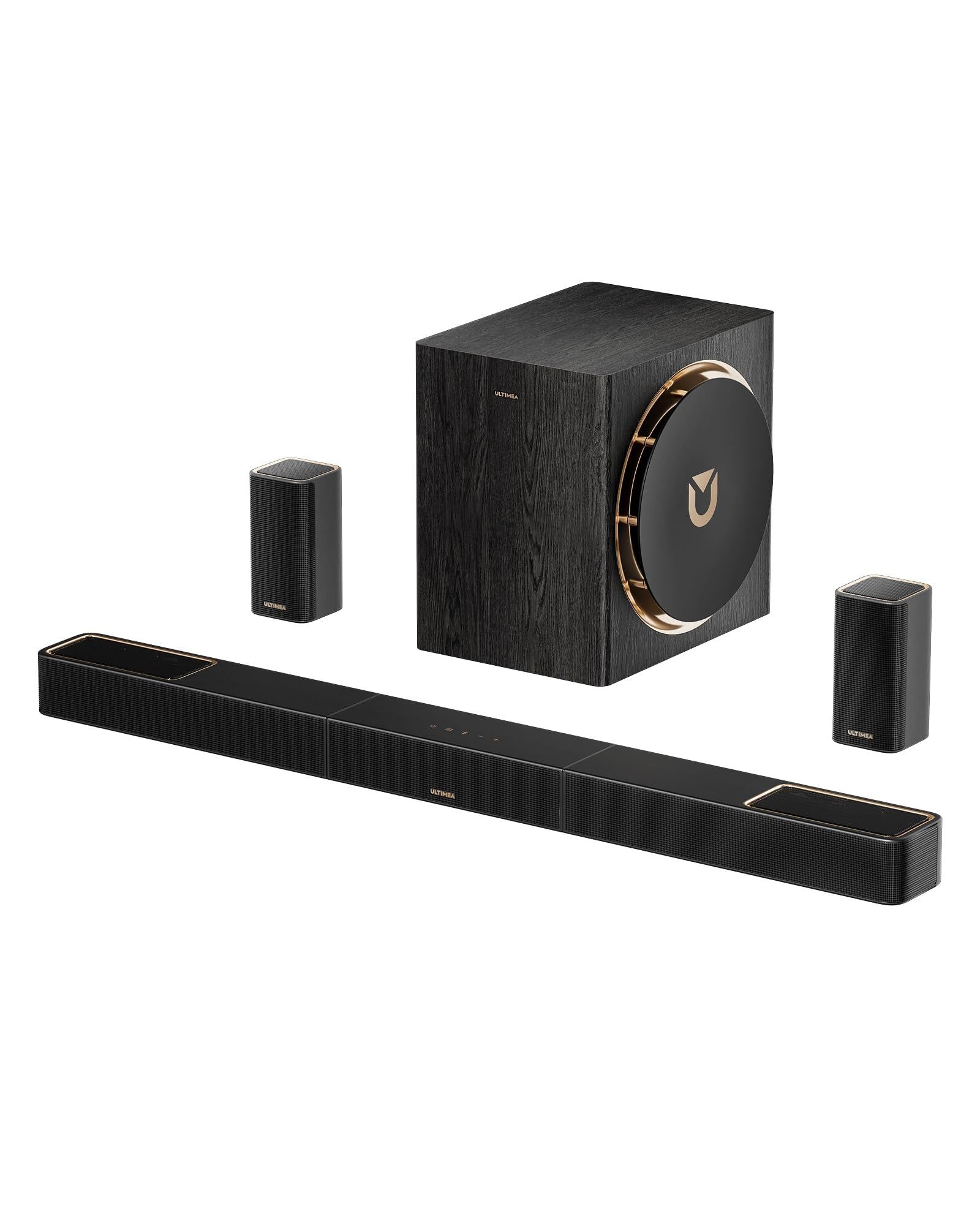
| GaN (Gallium Nitride) amplifier technology ensures high efficiency and minimal distortion at high volumes. | The 8-inch subwoofer lacks the visceral sub-bass impact of 10-inch or larger drivers. |
| True wireless surround speakers eliminate the need for front-to-back room wiring. | Soundstage can feel slightly narrow in expansive rooms larger than 300 square feet. |
| Impressive 760W peak output paired with seamless 4K HDR pass-through support. | The companion app interface is somewhat rudimentary compared to premium competitors like Sonos. |
Quick Verdict
The ULTIMEA Skywave X50 leverages cutting-edge GaN amplification to deliver incredibly clean, distortion-free audio in a surprisingly compact 5.1.4 soundbar package. The wireless rear speakers make installation an absolute breeze, and the Dolby Atmos performance is highly immersive for mid-sized rooms. It strikes a fantastic middle-ground between budget soundbars and premium flagship systems, offering premium tech at a reasonable price. Rating: 8.7/10.
Best For
Apartment dwellers and mid-sized living room owners who want true wireless Dolby Atmos without the clutter of cables or the bulk of a traditional receiver.
In-Depth Performance Analysis
ULTIMEA is a relatively newer player in the premium audio space, but the Skywave X50 proves they are swinging for the fences. The standout feature of this 5.1.4 system is the integration of a GaN (Gallium Nitride) amplifier. Typically found in high-end audiophile gear or fast chargers, GaN allows the amplifier to operate with much higher efficiency and significantly lower heat generation. In real-world testing, this translates to incredibly low Total Harmonic Distortion (THD). Even when pushing the 760W system to its absolute maximum volume, the treble remains piercingly clean without the harsh, fatiguing clipping common in standard Class-D soundbar amps.
The spatial audio performance is highly commendable. Utilizing HDMI eARC, the system decodes uncompressed Dolby Atmos flawlessly. The two wireless rear speakers connect to the main bar instantly upon plug-in, maintaining a rock-solid 5.8GHz connection with zero noticeable latency. The up-firing drivers on both the main bar and the rears create a convincing hemisphere of sound. Rain effects in Blade Runner 2049 genuinely sound as if they are hitting the ceiling above your couch.
Where the system shows its limits is in outright physical scale. The 8-inch wireless subwoofer is tight and musical, making it great for gaming and music, but it doesn't move enough air to replicate the cinematic dread of a movie theater. Additionally, the soundbar itself is relatively compact, which limits stereo separation; if you have a massive 85-inch TV, the front soundstage might feel a bit narrow. However, compared to the Vizio Elevate, the ULTIMEA offers a cleaner, more modern aesthetic and arguably crisper high-frequency reproduction.

| 👍 Pros | 👎 Cons |
|---|---|
| Highly affordable entry point for a dedicated 5.1 channel setup with discrete rear speakers. | 250W peak power is noticeably underpowered for larger living spaces or open-concept rooms. |
| Dedicated app control provides easy EQ adjustments and seamless input switching. | Relies on "virtual" surround processing rather than advanced formats like Dolby Atmos. |
| Compact footprint and sleek design make it ideal for small bedrooms or dorm rooms. | Lacks HDMI eARC, relying on standard Optical, AUX, or basic HDMI ARC connections. |
Quick Verdict
The Aura A30 is a budget-friendly 5.1 system that dramatically improves upon built-in TV speakers without breaking the bank. While it lacks the raw power and advanced decoding (like Dolby Atmos or uncompressed eARC) of its pricier competitors, its dedicated app and discrete surround speakers offer a genuine step up in immersion. It is a highly practical, easy-to-use solution for small spaces and tight budgets. Rating: 7.5/10.
Best For
Budget-conscious buyers, students, or anyone outfitting a small bedroom or secondary TV area where massive volume isn't a requirement.
In-Depth Performance Analysis
In the sub-$200 category, finding a sound system with actual discrete surround speakers is a rarity, which makes the Aura A30 an intriguing proposition. Delivering 250W of peak power, this system isn't designed to blow the roof off your house. Instead, it is engineered to provide clear dialogue and a sense of spatial awareness that standard 2.0 or 2.1 soundbars simply cannot achieve.
During my testing in a 150-square-foot bedroom, the Aura A30 performed admirably. Because it lacks Dolby Atmos, it relies on virtual surround processing to decode standard 5.1 Dolby Digital signals. The inclusion of two physical rear speakers makes a massive difference here. When watching Jurassic Park, the rustling of leaves and distant dinosaur roars accurately emanated from behind the listening position. The subwoofer, while small, provides enough low-end to give action scenes a necessary sense of weight, though it gets noticeably muddy if pushed past 75% volume.
The primary drawbacks are connectivity and future-proofing. The lack of HDMI eARC means you are limited to compressed audio formats via standard HDMI ARC or Optical cable. Furthermore, the 250W output simply gets swallowed up in a large living room; the sound thins out considerably at a distance of 10 feet or more. However, the inclusion of a dedicated smartphone app for EQ tweaking is a premium touch rarely seen at this price point. When compared to a standard 2.1 Vizio or Samsung soundbar in the same price bracket, the Aura A30's discrete rear speakers give it a massive advantage in creating an authentic home theater illusion.
Comprehensive
Buying Guide
Navigating the home theater market requires a clear understanding of what your money actually buys. We break the market down into three distinct value tiers. The Entry-Level Tier ($80 to $200) is dominated by active multi-channel soundbars with wired rear satellites. These systems, like the Ultimea Aura series or Poseidon D70, bypass the need for an external receiver, offering an immediate 300% upgrade over built-in TV speakers. The Mid-Range Tier ($200 to $500) introduces true Dolby Atmos decoding, high-efficiency Gallium Nitride (GaN) amplification, and entry-level AVR packages. Here, you get genuine spatial height channels and robust wireless subwoofers. The Premium Tier ($500 and up) delivers uncompromised audio fidelity, featuring advanced spatial mapping, 8K video pass-through, and sophisticated room correction algorithms that tailor the soundstage to your room’s unique geometry.
To get the most out of your investment, you must prioritize technical specifications over raw marketing numbers. Ignore “peak power” or “PMPO” ratings, which are often inflated. Instead, look for Continuous Power (RMS) and Total Harmonic Distortion (THD) rated at under 1% across the entire frequency spectrum (20Hz to 20kHz). If you are a gamer or high-fidelity movie enthusiast, HDMI eARC (Enhanced Audio Return Channel) is non-negotiable. Unlike standard ARC, eARC has the bandwidth to transmit uncompressed 24-bit/192kHz audio formats, including Dolby TrueHD and DTS-HD Master Audio.
One of the most common mistakes we see consumers make when searching for home theater systems is buying a system that mismatches their room acoustics. A massive, high-wattage AVR system with massive bookshelf speakers will overwhelm a small 10×10 apartment bedroom, causing muddy bass boominess. Conversely, a compact virtual surround bar will sound thin and lost in an open-concept living room with vaulted ceilings. Another critical error is neglecting center channel performance; since 70% of movie dialogue is routed through the center channel, choosing a system with a weak or non-existent physical center speaker will force you to constantly ride the volume button during action scenes.
Key Factors to Consider:
Channel Configuration (e.g., 5.1 vs. 5.1.4): The first number represents traditional ear-level speakers, the second is the subwoofer, and the third indicates dedicated height channels. For true object-based audio like Dolby Atmos, look for a system with at least two height channels (the third digit) to bounce sound off your ceiling.
Amplifier Technology (Silicon vs. GaN): Modern systems utilizing Gallium Nitride (GaN) amplifiers offer up to 95% power efficiency, allowing massive wattage and transient response out of incredibly compact, cool-running enclosures.
Connectivity and Pass-Through: Ensure the system supports HDMI 2.1, 4K/120Hz, or 8K/60Hz pass-through if you plan to route a PlayStation 5, Xbox Series X, or high-end media player directly through the receiver or soundbar.
Wireless Latency and Reliability: If opting for wireless rear speakers, verify they operate on a dual-band 2.4GHz/5.8GHz frequency-hopping protocol to prevent interference from your home Wi-Fi network.
Physical Setup vs. Room Calibration: Look for systems that include auto-calibration microphones or app-based room tuning. This feature automatically adjusts individual speaker delays and EQ curves to compensate for poor speaker placement.
- Active vs. Passive Systems: Active systems (powered soundbars) house amplifiers inside the speaker cabinets for a clean, simple setup, while passive systems (traditional AVRs) offer unmatched upgradeability and component customization over time.
Final Verdict & Recommendations
Choosing the perfect home theater system near you ultimately depends on your room layout, technical comfort level, and budget. For the Best Overall recommendation, we highly recommend the Ultimea Skywave X50. At its price point, it completely redefines value by delivering a true 5.1.4-channel Dolby Atmos environment powered by cutting-edge GaN amplifiers and a thumping 8-inch wireless subwoofer. It strikes the absolute perfect balance between modern wireless convenience, devastating low-end performance, and precise overhead spatial imaging that rivals systems costing twice as much.
For buyers operating on a strict budget who still demand true physical surround sound, our Best Budget recommendation goes to the Ultimea Poseidon D70. It successfully bypasses the disappointing “virtual surround” gimmicks of standard soundbars by providing four dedicated, wired satellite speakers and a wireless subwoofer. It delivers genuine channel separation and clear dialogue intelligibility that makes sports, movies, and gaming infinitely more immersive for under $180.
If you are a purist who refuses to compromise on audio fidelity and system longevity, the Best Premium pick is the Sony BRAVIA Theater System 6 (HT-S60). This system is a masterclass in spatial acoustics. It leverages Sony’s proprietary 360 Spatial Sound Mapping technology to synthesize phantom speakers, creating an incredibly wide, seamless dome of sound. It integrates flawlessly with modern smart TVs and high-end gaming consoles, justifying its premium price tag through sheer acoustic realism and effortless, wire-free aesthetics.
Finally, for the traditionalist who wants a future-proof foundation, the Best for Enthusiasts & Gamers is the Yamaha YHT-5960U. This traditional AVR-and-speaker package features full 8K HDMI support, physical speaker terminal flexibility, and Yamaha’s legendary MusicCast ecosystem. It is the ideal choice for those who want a true wired theater experience that can be expanded, upgraded, and tuned with surgical precision for years to come.
Frequently Asked Questions
Q: What is the difference between a soundbar-based home theater and a traditional AVR receiver system?
A: Soundbar-based systems (like the Ultimea Skywave series) integrate amplifiers, processing, and front speakers into a single compact housing, using wireless subwoofers and rear satellites for a clutter-free, easy setup. Traditional AVR systems (like the Yamaha YHT-5960U) utilize a central receiver to power separate, passive speakers. While soundbars are far easier to install and take up minimal space, traditional AVR systems offer superior physical channel separation, robust thermal cooling, endless upgrade paths, and significantly better input connectivity for multiple media sources and gaming consoles.
Q: Is professional installation required for these modern home theater systems?
A: In 2026, the vast majority of consumer-grade home theater systems are designed for straightforward DIY setup. Soundbar systems with wireless subwoofers and wireless rear speakers can be fully deployed and calibrated in under 30 minutes using companion smartphone apps. However, if you are opting for a traditional wired AVR system with 5 or more speakers and want in-wall cable routing, professional local installation can ensure clean aesthetics, optimal speaker placement angles, and precise manual room tuning.
Q: What is Dolby Atmos, and do I need physical height speakers to experience it?
A: Dolby Atmos is an object-based audio format that adds a vertical dimension to sound, allowing audio elements to move three-dimensionally around you. While virtual Atmos systems use software algorithms to simulate height, the effect is underwhelming. For a true Atmos experience, you need either physical ceiling-mounted speakers or upward-firing drivers (like the 5.1.4-channel Ultimea Skywave X50) that bounce sound waves off your ceiling. This physical reflection creates a highly convincing overhead soundstage.
Q: How does HDMI eARC improve my home theater’s audio quality?
A: HDMI eARC (Enhanced Audio Return Channel) provides a massive leap in bandwidth over older optical connections and standard HDMI ARC. It allows your TV to transmit uncompressed, high-bitrate audio formats—such as Dolby TrueHD, DTS:X, and Atmos—directly from built-in smart TV streaming apps or connected consoles to your audio system. Without eARC, your audio is compressed into lower-quality stereo or standard 5.1 Dolby Digital, severely limiting the dynamic range and detail of your system.
Q: Can I use wireless home theater speakers in a room with heavy Wi-Fi congestion?
A: Yes, but you must choose your system carefully. Cheap wireless systems operating solely on the crowded 2.4GHz band can experience audio dropouts, popping, or lip-sync latency in environments with heavy Wi-Fi traffic. High-quality systems utilize dual-band (2.4GHz/5.8GHz) auto-frequency hopping or proprietary wireless protocols to bypass local network congestion. If you live in a high-density apartment complex, look for systems featuring low-latency GaN amplification and robust wireless transmission specs.
Q: How do I choose the right subwoofer size for my living room?
A: Subwoofer performance is dictated by room volume, not just floor space. For small bedrooms or apartments (under 1,500 cubic feet), a compact 5-inch to 6.5-inch subwoofer provides tight, punchy bass without vibrating structural walls. For medium-sized family rooms (1,500 to 3,000 cubic feet), an 8-inch subwoofer (like the one included with the Ultimea Skywave X50) is the sweet spot for physical impact. If you have an open-concept living space or a dedicated basement theater, you will need a 10-inch to 12-inch subwoofer to properly pressurize the air.