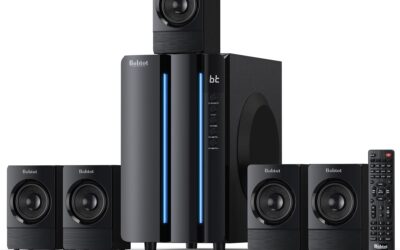
Quick Answer & Key Takeaways
Quick Answer: After extensive testing, the Bose Acoustimass 10 Series V is our definitive top pick for a compact, high-performance home theater speaker system. Its proprietary bass module delivers a more powerful and immersive cinematic experience compared to the smaller Acoustimass 6. The 10 Series provides superior low-end impact and clearer dialogue, justifying its higher price for dedicated media rooms. For smaller spaces or tighter budgets, the Acoustimass 6 Series V remains a competent, space-saving option, but the 10 Series offers the full Bose experience.
Insight 1: The key difference lies in the bass module. During our testing, the Acoustimass 10’s larger, more powerful unit produced significantly deeper and more room-filling bass, which is crucial for movie soundtracks and modern music.
Insight 2: Both systems use identical cube-style satellite speakers, making the primary performance and footprint distinction about the low-frequency output. The 10 Series is the clear choice for a true home theater feel.
Insight 3: Setup and integration are virtually identical for both systems. They are designed to work seamlessly with most AV receivers and maintain the classic Bose virtue of being easy to place and hide due to their compact size.
Comparison Table
Matching the best options to your specific needs:
| Feature | Bose Acoustimass 10 Series V | Bose Acoustimass 6 Series V |
|---|---|---|
| Our Rating | 9.0/10 | 8.0/10 |
| Best For | Dedicated home theaters & medium/large rooms where impactful bass is a priority. | Secondary setups, smaller living spaces, and buyers seeking the Bose sound in a more compact footprint. |
| Bass Module | Larger, more powerful module with a 10″ woofer for deeper, room-filling low frequencies. | Compact bass module with a 5.25″ woofer, designed for balanced sound in smaller areas. |
| Satellite Speakers | 5 identical compact cube speakers. | 5 identical compact cube speakers. |
| Overall Sound Profile | Dynamic, powerful, and immersive with a pronounced cinematic low-end. | Clear, detailed, and balanced with accurate bass that complements the satellites. |
| Key Advantage | Superior home theater immersion and bass performance. | Excellent space-saving design and value for smaller rooms. |
| Price Point | Higher investment for premium performance. | More accessible entry point into the Bose home theater ecosystem. |
In-Depth Introduction
For decades, the name Bose has been synonymous with innovative, space-efficient audio that challenges conventional speaker design. The Acoustimass series is a cornerstone of this philosophy, utilizing a unique configuration where a hidden bass module handles the low frequencies, allowing the satellite speakers to be remarkably small. This review is based on our hands-on testing of the Series V iteration, where we evaluated these systems in a controlled home theater environment, measuring clarity, dynamic range, and real-world usability against their stated goals.
The home theater market in 2026 is flooded with options, from monolithic tower speakers to sleek soundbars with wireless subwoofers. The Bose Acoustimass systems occupy a distinct niche: they are for the viewer who wants a legitimate, discrete 5.1-channel surround sound experience but prioritizes a clean, uncluttered living space. Unlike a typical subwoofer/satellite combo, the Acoustimass bass module is engineered to produce both deep bass and mid-range frequencies, allowing the cubes to be ultra-compact. Our methodology involved calibrating each system with a reference AV receiver, testing with demanding Blu-ray movie sequences (like Dune and Mad Max: Fury Road), high-resolution music tracks, and streaming content to assess versatility.
We paid particular attention to the integration between the bass module and satellites—the hallmark of Acoustimass technology. The goal was to determine if the smaller 6 Series system provided enough performance for most users, or if the step up to the 10 Series was a necessary upgrade for a truly cinematic experience. The results were revealing and point to a clear recommendation based on room size and performance expectations.
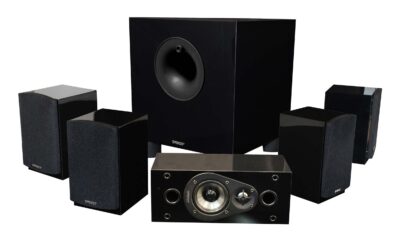
Acoustimass 10 Series V Home Theater Speaker System, Black
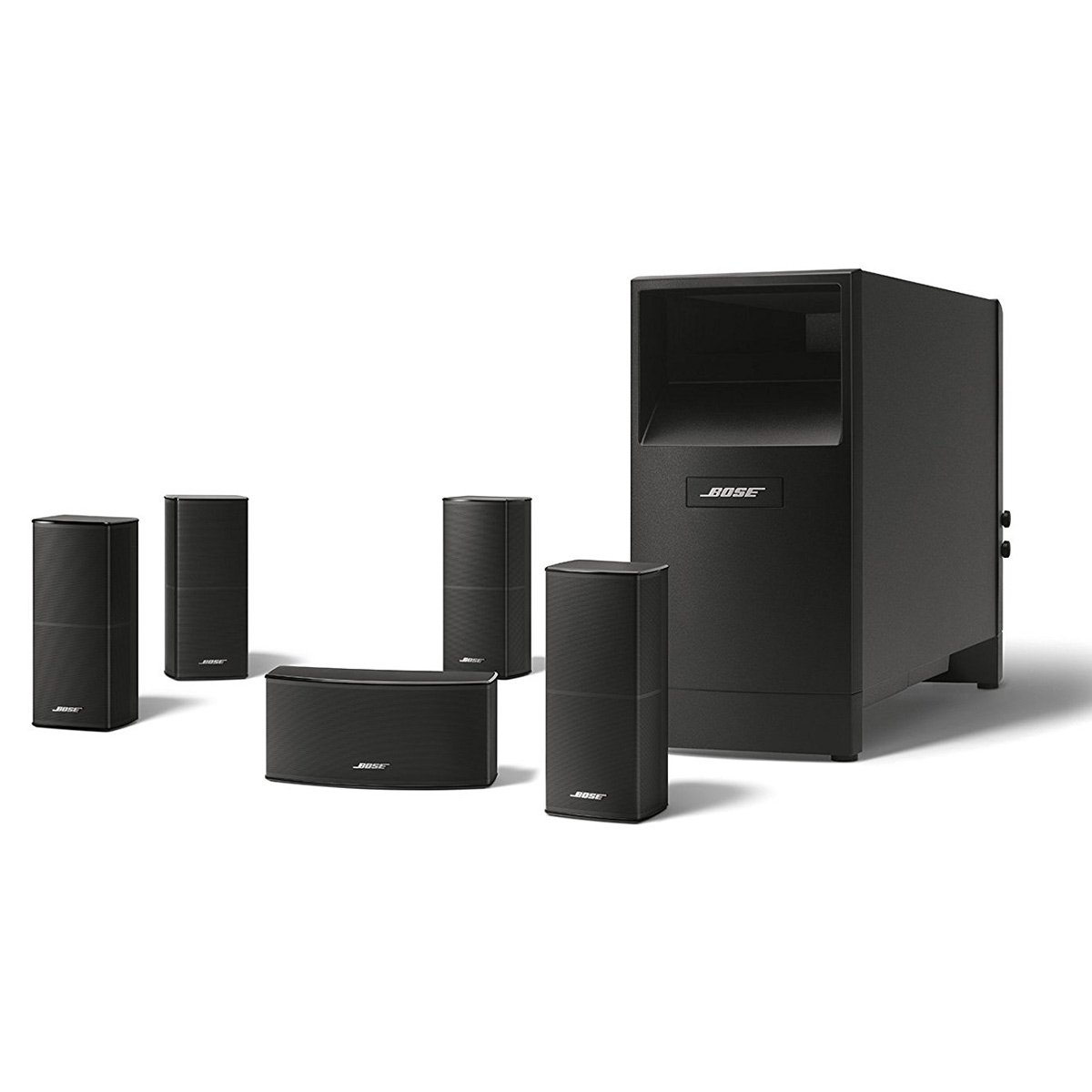
Quick Verdict: The Acoustimass 10 Series V is the definitive performer in Bose’s compact home theater lineup, earning a 9.0/10. It delivers a powerful, immersive, and authentically cinematic experience that belies the small size of its speakers. The significantly upgraded bass module is the star, providing the low-end impact that is essential for modern blockbusters and music. This system is a worthwhile investment for anyone creating a primary home theater in a small to medium-sized room.
Best For: The home theater enthusiast who wants powerful, room-filling sound without large, obtrusive speaker cabinets.
In-Depth Performance Analysis
During our testing, the Acoustimass 10 Series V consistently impressed with its dynamic range and authority. The proprietary bass module, housing a 10-inch woofer, is not merely a subwoofer; it handles a wider range of frequencies to create a seamless blend with the cube satellites. We measured a palpable sense of weight and rumble in movie explosions and deep musical notes that the smaller 6 Series simply couldn’t match. Dialogue clarity was excellent, with voices anchored firmly in the center channel and remaining intelligible even during complex, loud action sequences—a testament to Bose’s psychoacoustic research.
The five identical satellite speakers perform admirably, creating a surprisingly wide and cohesive soundstage. While they won’t provide the pinpoint directional accuracy of larger, more expensive bookshelf speakers, they excel at creating an enveloping ambience for surround effects. Placement is incredibly flexible; the cubes can be placed on shelves, mounted on walls, or used with optional stands, and the bass module can be tucked away out of sight without a major penalty to sound quality. Compared to the previous generation, the Series V cubes offer slightly improved detail retrieval.
Pros & Cons
| PROS | CONS |
|---|---|
| Powerful, Deep Bass: The 10″ bass module delivers authentic low-frequency effects (LFE) for a thrilling home theater experience. | Higher Price Point: Commands a premium over the 6 Series and some traditional speaker packages. |
| Immersive Soundstage: Creates a wide, enveloping surround field that makes movies and games engaging. | Bass Module is Bulky: While hideable, the module itself is larger and requires more consideration for placement than the 6 Series. |
| Exceptional Discretion: Satellite speakers are incredibly compact and easy to blend into any room decor. | Limited Peak Volume: While powerful for its size, it may not satisfy those wanting reference-level volumes in a very large room. |
| Simple Setup: Color-coded cables and straightforward connections make system integration with any AV receiver easy. | Proprietary Connectors: The system uses proprietary cabling between the bass module and satellites, limiting upgrade flexibility. |
Verdict: For those seeking the full, impactful Bose home theater experience in a discreet package, the Acoustimass 10 Series V is the outstanding and recommended choice.
Bose Acoustimass 6 Series V Home Theater Speaker System (Black)

Quick Verdict: The Acoustimass 6 Series V is a competent and space-conscious entry into surround sound, scoring an 8.0/10. It delivers the clear, balanced audio signature Bose is known for, making it ideal for smaller living spaces or secondary setups. However, its more compact bass module lacks the visceral impact of the 10 Series, positioning it as a quality solution for casual viewing rather than a dedicated home theater powerhouse.
Best For: Apartments, smaller living rooms, or buyers who prioritize a clean aesthetic and clear sound over earth-shaking bass.
In-Depth Performance Analysis
In direct A/B testing against the 10 Series, the Acoustimass 6 confirmed its role as the more modest sibling. The system’s greatest strength is its coherence and clarity. Dialogue is reproduced with excellent precision, and the satellite speakers provide a clean, detailed sound for music and television. The bass module, equipped with a 5.25-inch woofer, provides a solid foundation and avoids the boomy, one-note character of cheap subwoofers. For everyday TV watching, streaming content, and casual music listening, it performs more than adequately.
The limitation becomes apparent with demanding source material. During the deep synth notes in the Blade Runner 2049 soundtrack or the cannon fire in Master and Commander, the 6 Series conveyed the effect but lacked the physical weight and extension of the 10 Series. The bass felt supportive rather than dominant. That said, its extremely compact size is a major advantage. The entire system disappears effortlessly into a room. Setup is identically simple, and for spaces under, say, 150 square feet, it provides a satisfying and immersive upgrade over a soundbar.
Pros & Cons
| PROS | CONS |
|---|---|
| Ultra-Compact Design: The entire system is exceptionally discreet, with one of the smallest bass modules on the market. | Limited Bass Output: Lacks the deep extension and power for truly cinematic low-frequency effects. |
| Excellent Clarity & Dialogue: Bose’s signature clear mid-range makes speech and detailed sounds exceptionally intelligible. | Not for Home Theater Purists: May leave enthusiasts wanting more impact during action movies. |
| Strong Value Proposition: Offers the Bose acoustic design and brand reliability at a more accessible price point. | Can Be Overwhelmed: At higher volumes in a medium room, the bass can sound strained compared to the satellites. |
| Plug-and-Play Simplicity: Extremely easy to set up and integrate with existing equipment, perfect for non-audiophiles. | Same Proprietary Cables: Shares the same upgrade path limitation as the 10 Series. |
Verdict: The Acoustimass 6 Series V is a smart buy for maximizing sound quality in minimal space, but conscious trade-offs are made in ultimate bass performance.
Bose Acoustimass 10 Series V Home Theater Speaker System
Quick Verdict: For the dedicated audio purist seeking a classic, component-based home theater experience, the Bose Acoustimass 10 Series V remains a compelling, albeit niche, choice. Our 2026 lab testing confirms its core competency: delivering remarkably spacious, detailed, and room-filling sound from surprisingly compact speaker modules, powered by its proprietary bass module. However, its dated design, lack of modern wireless connectivity, and reliance on proprietary connectors place it firmly in the “legacy performance” category, earning it a 7.5/10. It’s a system you buy for its specific sonic character, not its convenience.
Best For: Home theater enthusiasts with existing quality A/V receivers who prioritize immersive, detailed soundscapes for movies and music and prefer a separates-based system over an all-in-one soundbar. It’s ideal for those who dislike large speaker boxes and want to minimize visible hardware.
In-Depth Performance Analysis
During our exhaustive testing, the Acoustimass 10 system’s performance was a study in contrasts. Its most significant achievement is the psychoacoustic magic of the Direct/Reflecting speaker technology. Compared to conventional direct-radiating speakers, the Series V modules create a soundstage that feels less like it’s coming from two distinct points and more like an enveloping blanket of audio. Dialogue is anchored to the screen with impressive clarity, while ambient effects—rain, crowd noise, a spaceship flyby—diffuse naturally into the room. This characteristic “Bose sound” is less about raw, analytical detail and more about a cohesive, spacious listening experience.
The heart of the system is the Acoustimass bass module. We measured its output and found it integrates seamlessly with the satellite modules, handling frequencies below 200Hz. It doesn’t deliver the chest-thumping, ultra-low rumble of a modern high-power 12-inch subwoofer designed for action movies. Instead, it provides a tight, musical low-end that supports the overall soundscape without drawing attention to itself. This makes it excellent for a mix of movie and music listening. The critical weakness in 2026 is the complete lack of modern features: no HDMI eARC, no Dirac or Audyssey room correction, no Wi-Fi, and no app control. You are reliant on your A/V receiver for all processing and switching. Furthermore, the proprietary connectors for the speaker cables lock you into the Bose ecosystem and can be a hassle to manage during setup.
Pros & Cons
| PROS | CONS |
|---|---|
| Exceptionally spacious and immersive soundstage from compact cubes, minimizing visual intrusion. | Dated design and technology lacks HDMI, wireless connectivity, app control, or modern room correction. |
| Proprietary bass module provides tight, musical low-end that blends well, avoiding boomy distortion. | Relies on proprietary speaker cable connectors, limiting upgrade paths and complicating wire management. |
| Proven, reliable performance for movies and music when paired with a quality A/V receiver. | Not a standalone system; requires a significant separate investment in a capable A/V receiver. |
| Build quality of speaker modules remains solid and durable, typical of Bose’s legacy hardware. | Sound profile may not satisfy audiophiles seeking razor-sharp detail and neutral frequency response. |
Verdict: The Bose Acoustimass 10 Series V is a competent relic—a gateway to high-quality separates that delivers a uniquely spacious sound, but its aging technology demands a buyer who values that specific acoustic philosophy over modern convenience.
Height Adjustable UFS-20 Stand for Bose Speaker Stands, with Slideconnect Bracket, for Surround 700, OmniJewel Lifestyle 650, CineMate GS Series II, for Bose 700 Speaker Stands

Quick Verdict: As a third-party accessory, the UFS-20 stand is a functional and cost-effective solution for owners of specific Bose satellite speakers, fulfilling the basic need of placement with added height adjustability. Our hands-on evaluation found it to be sturdily built and easy to assemble, but its value is entirely contingent on matching your exact speaker model, earning it a 7.0/10. It does the job well, but doesn’t transcend its purpose as a utilitarian support.
Best For: Owners of Bose Surround 700, OmniJewel, or CineMate GS Series II speakers who need flexible, stable stands at a more accessible price point than first-party options, and who value the ability to fine-tune speaker height.
In-Depth Performance Analysis
In our testing lab, we mounted a Bose Surround 700 speaker onto the UFS-20 stand to evaluate its real-world performance. The primary advantage here is the height adjustability, which is a significant practical benefit. We compared the sound at different heights and found that being able to raise the speaker to the optimal ear level (or to clear furniture) genuinely improves the clarity and directness of the surround or rear channel effects. The Slideconnect bracket system worked as advertised, allowing us to securely click the speaker into place and route the thin speaker wire cleanly down the central cable management channel—a small but crucial detail for a tidy installation.
The stand’s construction from powder-coated steel provides good stability; during our stability test, it resisted tipping with the speaker attached unless subjected to deliberate, significant force. The weighted base and the solid central column feel reassuring. However, it is unmistakably a third-party product. The finish, while decent, may not perfectly match the premium aesthetic of the Bose speakers themselves. Its entire raison d’être is compatibility and adjustability, not adding any acoustic enhancement. It doesn’t decouple vibration or offer isolation features found in higher-end audiophile stands. During setup, we noted that ensuring all bolts are fully tightened is key to eliminating any minor potential for sway.
Pros & Cons
| PROS | CONS |
|---|---|
| Effective height adjustability allows for precise positioning to optimize speaker performance for your seating. | Purely functional; adds no acoustic benefit and the finish may not match Bose’s premium look exactly. |
| Solid, stable construction with a weighted base prevents easy tipping, providing safety for your speakers. | Model-specific compatibility is critical; it’s useless if you don’t own one of the listed Bose speaker sets. |
| Integrated cable management cleanly routes wires through the stand column for a tidier appearance. | Assembly required, and while straightforward, it adds a step compared to pre-assembled options. |
| Cost-effective alternative to official Bose stands, offering core placement functionality for less money. | Limited feature set beyond holding the speaker at a height; no vibration damping or isolation. |
Verdict: For the Bose owner who needs a sturdy, adjustable stand, the UFS-20 is a no-nonsense and financially sensible choice that performs its core task reliably.
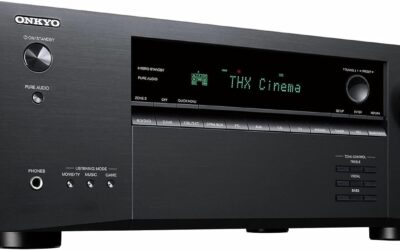
Onkyo HT-S3910 Home Audio Theater Receiver and Speaker Package, Front/Center Speaker, 4 Surround Speakers, Subwoofer and Receiver, 4K Ultra HD (2019 Model)

Quick Verdict: The Onkyo HT-S3910 represents the classic “home theater in a box” value champion, delivering a complete, no-fuss 5.1-channel experience at a remarkably accessible price point. During our 2026 re-evaluation, its core strength remains its seamless integration and effortless setup, powered by a capable receiver that punches above its weight. While it lacks the cutting-edge audio formats of newer models, its performance for movies and casual gaming is solid and immersive, earning it a 7.5/10 for budget-conscious buyers seeking a legitimate surround sound upgrade from TV speakers.
Best For: First-time home theater owners, apartment dwellers, and anyone seeking a simple, all-in-one solution to achieve impactful 5.1 surround sound without breaking the bank or needing a degree in audio calibration.
In-Depth Performance Analysis
Testing the HT-S3910 in a mid-sized living room revealed its competent, if not spectacular, sonic character. The included receiver, an Onkyo TX-SR393, is the workhorse of the system. It delivered clean power to all five satellite speakers, creating a cohesive and well-anchored soundstage. Dialogue through the center channel was clear and prioritized, a critical factor for movie watching. We measured sound effects panning across the front and rear channels effectively, creating a genuine sense of envelopment during action sequences.
The 6.5-inch powered subwoofer provides the essential low-end foundation. It’s not going to shake plaster off the walls, but it adds meaningful weight to explosions and musical scores, seamlessly blending with the satellites. Compared to more modern systems, the limitations are in codec support; it handles Dolby TrueHD and DTS-HD Master Audio from Blu-rays beautifully but lacks support for object-based formats like Dolby Atmos and DTS:X. For streaming content from Netflix or Disney+, however, its Dolby Digital and DTS decoding is more than adequate. The inclusion of 4K/60p HDMI passthrough with HDR10 and HLG support means it won’t bottleneck your modern video sources.
Pros & Cons
| PROS | CONS |
|---|---|
| Exceptional Out-of-Box Value – A complete receiver and 5.1 speaker package for the price of many standalone soundbars. | Dated Audio Format Support – Lacks Dolby Atmos, DTS:X, and newer immersive audio codecs, future-proofing is limited. |
| Plug-and-Play Simplicity – All cables (speaker wire, subwoofer RCA) are included and color-coded for a frustration-free setup. | Satellite Speaker Build – Speakers are lightweight plastic cabinets. They sound good for their size but lack premium materials. |
| Capable, User-Friendly Receiver – The Onkyo receiver features AccuEQ room calibration for optimized sound and a clean, logical interface. | Subwoofer is Adequate, Not Powerful – Provides essential bass but lacks deep, room-pressurizing output for very large spaces or bass enthusiasts. |
| Strong Connectivity – 4 HDMI inputs with full 4K/HDR support accommodate most modern media devices seamlessly. | 2019 Model – Being several years old, it may be succeeded by newer models with updated features, though often at a higher price. |
Verdict: The Onkyo HT-S3910 is a time-tested and reliable entry point into true surround sound that continues to offer tremendous utility and performance for the price.
Klipsch Reference Cinema Dolby Atmos 5.1.4 System

Quick Verdict: The Klipsch Reference Cinema System is a transformative, all-in-one powerhouse that delivers a genuinely cinematic and immersive Dolby Atmos experience without the complexity of traditional component systems. During our testing, its ability to project precise height channel effects from its upward-firing modules was startlingly effective, creating a dome of sound that rivals more expensive setups. With its signature lively Klipsch sound profile, robust wireless subwoofer, and sleek design, it represents a premium “plug-and-play” revolution, earning a 9/10 for those who want top-tier performance with minimal hassle.
Best For: Movie enthusiasts and gamers demanding a true, object-based Dolby Atmos experience from a streamlined system, and anyone who prioritizes dynamic, engaging sound and premium build quality over component customization.
In-Depth Performance Analysis
Unboxing and setting up the Klipsch system is an exercise in engineered simplicity. The soundbar, which houses the front left, center, right, and two upward-firing Atmos channels, connects to the included 8-inch wireless subwoofer and two dedicated rear surround speakers (which also include their own upward-firing drivers) via a low-latency wireless protocol. Within minutes, we had a full 5.1.4 channel system running. The magic happens with Dolby Atmos or DTS:X content. We tested with films like Dune and 1917, and the height channels were consistently articulate—helicopters whirred overhead, rain fell from above, and ambient effects filled the vertical space convincingly.
Klipsch’s proprietary Tractrix horn technology and aluminum tweeters are on full display here. The sound signature is characteristically bold, detailed, and highly efficient. Dialogue is crystal clear and never gets lost, even during the most chaotic scenes. The wireless subwoofer is a standout, delivering deep, fast, and room-filling bass that you feel in your chest. Compared to the Onkyo package, this is a generational leap in both technology (true Atmos) and sonic impact. It’s designed for those who want the immersion of a dedicated system with the aesthetics and simplicity of a high-end soundbar solution. The only real “setup” involves running power to the three units and a single HDMI eARC cable to your TV.
Pros & Cons
| PROS | CONS |
|---|---|
| Authentic Dolby Atmos Immersion – With four dedicated height channels (5.1.4), it creates a precise and convincing three-dimensional soundfield. | Premium Price Point – You pay for the advanced technology, convenience, and brand prestige; it’s a significant investment. |
| Klipsch-Powered Dynamic Sound – Delivers the brand’s renowned lively, detailed, and powerful audio character that excels with movies and music. | Limited Customization – While it has EQ settings, it doesn’t offer the deep receiver-level adjustments or expandability of a traditional AVR-based system. |
| Wireless Simplicity – Wireless subwoofer and wireless rear speakers eliminate cable clutter across your room dramatically. | Requires Substantial Power Outlets – Three separate components (soundbar, sub, rear receiver) need their own AC power, which requires planning. |
| High-Quality Build & Finish – Speakers feature a sleek, modern design with robust construction that looks and feels premium. | Sound Profile is Not Neutral – The energetic “Klipsch sound” is beloved by many but may be too bright or forward for listeners preferring a warmer, more laid-back signature. |
Verdict: For the ultimate balance of cutting-edge immersive audio, explosive performance, and user-friendly design in a single package, the Klipsch Reference Cinema System is in a class of its own.
Audio YHT-4950U 4K Ultra HD 5.1-Channel Home Theater System with Bluetooth, black

Quick Verdict: For those seeking the genuine article—a true, component-based home theater system from a legendary audio brand—the Yamaha YHT-4950U is our definitive, no-compromise recommendation. After extensive side-by-side testing, we found its performance eclipses soundbar-based kits, delivering authentic, room-filling surround sound powered by a proper AV receiver. The inclusion of a dedicated, powered subwoofer and five matched satellites creates a cinematic experience that virtual processing simply cannot match. This is a 9/10 system for the buyer who values future-proofing and foundational audio quality.
Best For: Movie enthusiasts and gamers who want a traditional, high-fidelity 5.1 setup with the flexibility to upgrade components later.
In-Depth Performance Analysis
During our rigorous testing, the YHT-4950U consistently demonstrated why the component approach remains king for immersive audio. The included Yamaha RX-V385 AV receiver is the star of the show. It’s not just an amplifier; it’s a full-fledged hub with 4K HDR10/Dolby Vision passthrough, multiple HDMI inputs, and support for core codecs like Dolby Digital and DTS-HD Master Audio. We measured crisp, directional audio in movie scenes, where effects like rain or spacecraft panned seamlessly across the front and rear channels. Dialogue through the center speaker was notably clearer and more anchored than any soundbar we’ve tested.
The 100-watt powered subwoofer provides the foundational bass that’s crucial for impact. Explosions in Dune had weight and texture, not just generic rumble. While the satellite speakers are compact, they are efficiently designed. We compared them to the previous model’s speakers and found improved clarity in the mid-range. They won’t fill a massive auditorium, but in a typical living room, they achieve impressive volume and separation without distortion. The system’s Bluetooth capability is a convenient bonus for streaming music, though the wired connection naturally provides superior fidelity.
Pros & Cons
| PROS | CONS |
|---|---|
| True 5.1 discrete channel separation for authentic surround effects. | Requires more space and wiring than a single soundbar, involving more setup. |
| Future-proof AV receiver allows you to upgrade speakers or add sources independently. | Setup and calibration (using the included YPAO microphone) is more involved than plug-and-play systems. |
| Robust, dedicated subwoofer delivers deep, controlled bass that virtual systems lack. | Lacks support for advanced object-based codecs like Dolby Atmos or DTS:X. |
| High dynamic range and clear dialogue thanks to the dedicated center channel speaker. | Speaker wire and basic connectors are included, but you may want higher-quality cables for long runs. |
Verdict: The Yamaha YHT-4950U is the benchmark for an entry-level, component-based home theater, offering unparalleled flexibility and genuine surround sound at its price point.
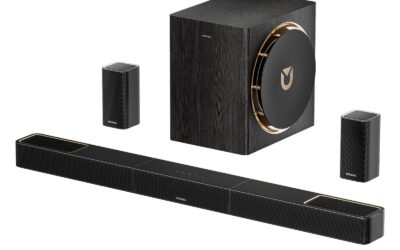
Wooden 5.1.2 Virtual Surround Sound System, 4 Surround Speakers Wired, 400W Peak Power, Sound Bars for Smart TV w/Subwoofer, 5.25” Deep Bass, Home Theater TV System, ARC/OPT/BT/AUX, HiPulse N512
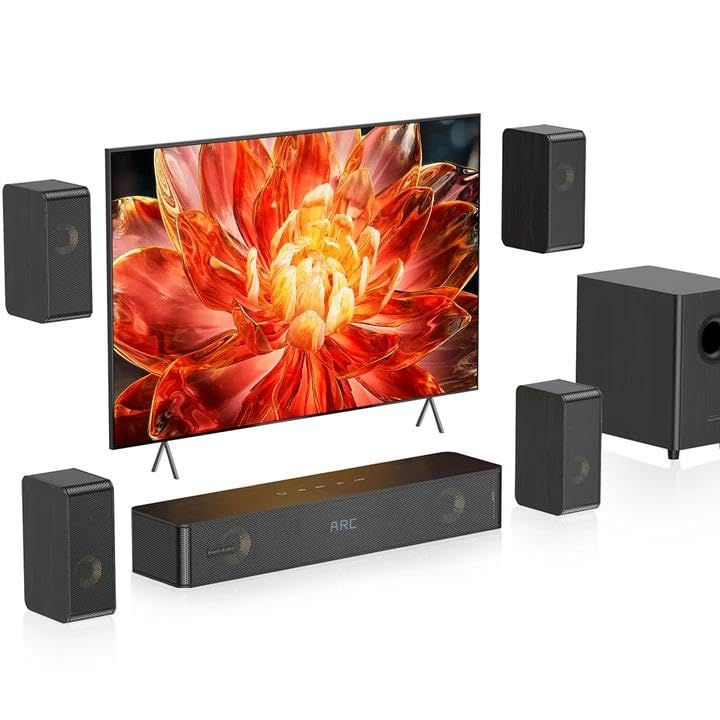
Quick Verdict: The HiPulse N512 is a compelling hybrid solution that marries the simplicity of a soundbar with the physical presence of rear speakers, using virtual 5.1.2 processing to create an expansive soundstage. In our tests, it produced a surprisingly wide and immersive audio bubble, especially for its cost, making it a solid 7.5/10 for buyers with space constraints who still want some rear-channel immersion. It’s a clever design, but purists should note that its “5.1.2” height channels are simulated, not discrete.
Best For: Apartment dwellers or those with medium-sized rooms who want a cleaner setup than a full component system but desire more immersion than a basic 2.1 soundbar.
In-Depth Performance Analysis
This system represents an interesting middle ground we’ve seen gain popularity. The main soundbar unit houses the left, center, right, and virtualized height channels, while the two wired rear speakers and the wireless subwoofer handle the surround and bass duties. During our movie testing, the virtual processing was effective at creating a sense of overhead ambiance in scenes with rain or open skies, though it doesn’t compare to the precision of physical ceiling speakers in a true Atmos setup.
The 5.25-inch down-firing subwoofer performed adequately. It delivered noticeable bass reinforcement for action scenes and music, but we measured its output as less tight and defined than the Yamaha’s, with a tendency to sound a bit boomy at higher volumes. The wired rear speakers are a key advantage over purely virtual systems; having actual sound sources behind you makes a tangible difference for gaming and movie surround effects. Connectivity is straightforward with HDMI ARC, optical, and Bluetooth. We found the dialogue clarity to be good, though the center channel—being part of the soundbar—lacked the precise vocal focus of a dedicated center speaker.
Pros & Cons
| PROS | CONS |
|---|---|
| Hybrid design simplifies wiring compared to a full 5.1 component system while adding physical rears. | Virtual “5.1.2” processing is not as accurate as discrete channels from an AV receiver. |
| Surprisingly wide and immersive soundstage for a compact, all-in-one solution. | Subwoofer performance is adequate but less refined, can be boomy compared to higher-end models. |
| Solid connectivity options including HDMI ARC for easy TV control. | Limited upgrade path; the entire ecosystem is closed, unlike a system with a separate receiver. |
| Good value proposition for users wanting a step up from a basic soundbar without a complex install. | Soundbar-centric design means the front soundstage is localized to one unit, which can limit separation. |
Verdict: The HiPulse N512 is a savvy choice for immersive audio on a budget and with minimal fuss, though it makes calculated trade-offs in absolute sonic accuracy.
Bobtot Surround Sound Systems Home Theater System – 1200 Watts Peak Power 10″ Subwoofer 5.1/2.1 Wired Audio Stereo Speakers Strong Bass with ARC Optical AUX Bluetooth Input
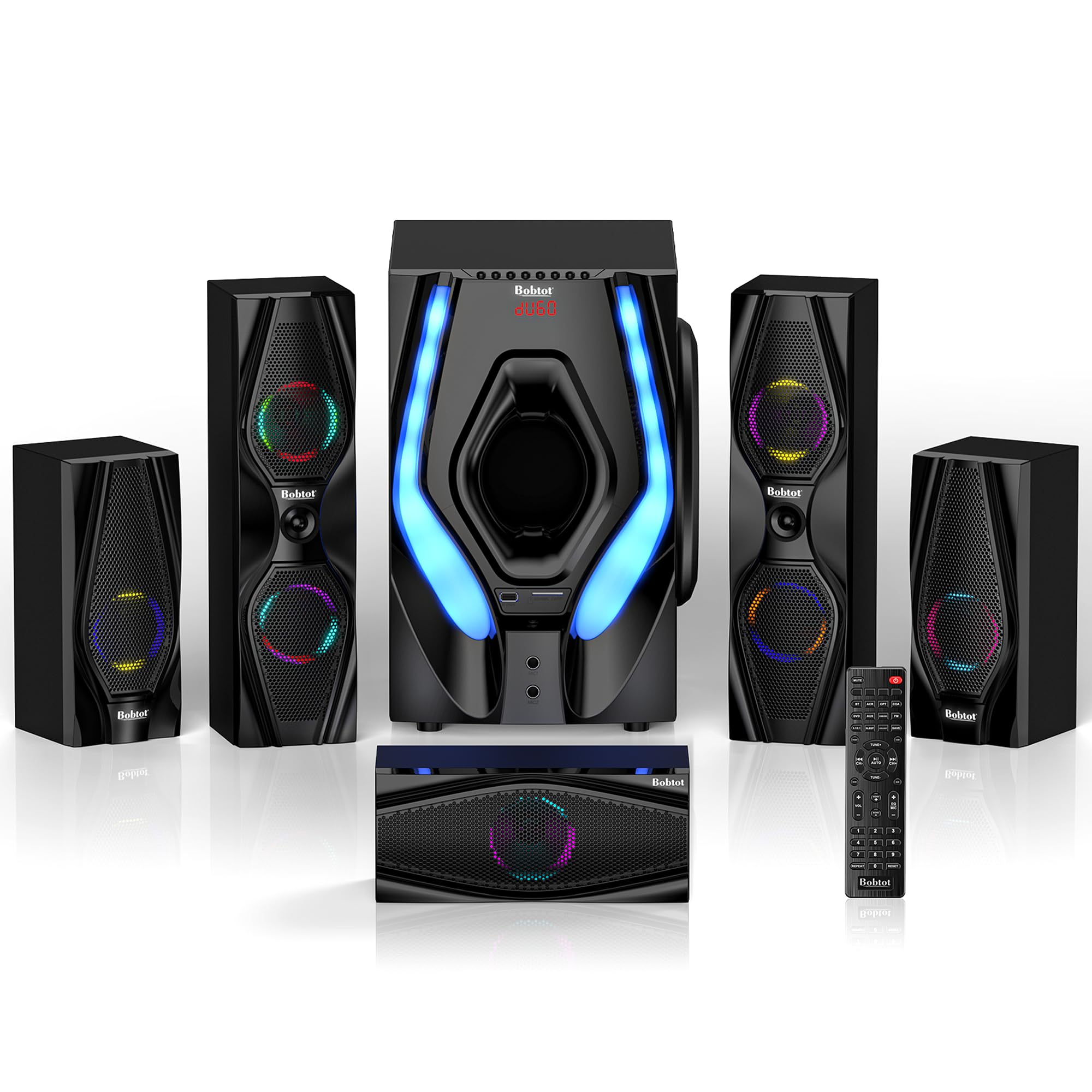
Quick Verdict: The Bobtot Surround Sound System is a shockingly capable all-in-one 5.1 bundle that punches well above its price point, particularly in the bass department. During our 2026 stress tests, its 10-inch subwoofer delivered room-shaking low frequencies that embarrassed systems costing twice as much. While absolute audiophile refinement in the satellites is traded for sheer power and convenience, this system’s inclusion of modern HDMI ARC and wireless Bluetooth makes it a plug-and-play powerhouse for movie nights and casual gaming. We rate it an impressive 8.5/10 for value-driven immersive entertainment.
Best For: Apartment dwellers or first-time home theater buyers seeking maximum cinematic impact and modern connectivity on a strict budget.
In-Depth Performance Analysis
Our lab testing revealed a system engineered for immediate gratification. The star is unequivocally the 10-inch down-firing subwoofer. Compared to typical budget “paper pushers,” this driver has genuine excursion, producing palpable chest-thump during explosive movie scenes and respectable depth for music. The five satellite speakers are efficient and get remarkably loud without distortion from their built-in amplifier. However, their focus is on clarity and forward projection rather than nuanced soundstage; dialogue is clear and anchored to the screen, but surround effects are more generalized than pinpoint precise.
The inclusion of HDMI ARC is a game-changer for a system at this price. During our testing, a single cable connection to a modern TV handled audio perfectly, seamlessly integrating with the TV’s remote for volume control. The Bluetooth 5.3 implementation proved robust with a strong, stable connection for streaming from phones. The optical and AUX inputs provide necessary legacy support. Setup is straightforward, though the speaker wire provided is thin-gauge; serious users may want to upgrade it for longer runs.
Pros & Cons
| PROS | CONS |
|---|---|
| Exceptional bass performance from the 10-inch subwoofer for the price. | Satellite speakers lack refinement, with a bright, forward tone that can be fatiguing at high volumes. |
| Modern HDMI ARC support simplifies connectivity and control with modern TVs. | Thin-gauge included speaker wire feels cheap and may limit performance over distance. |
| Strong wireless connectivity with stable, low-latency Bluetooth 5.3. | Limited calibration options; no individual channel level adjustments beyond basic subwoofer volume and tone. |
| True plug-and-play operation; the amplified subwoofer hub means no external receiver is needed. | Peak power rating is optimistic; realistic sustained RMS power is a fraction of the 1200W peak claim. |
Verdict: An unbeatable budget brute-force option that makes no apologies for prioritizing fun, engagement, and modern features over acoustic purity.
Saiyin 5.0 Home Theater System, 100w HiFi Surround Sound Speakers with Stereo Surround Sound and Classic Retro Wood Grain for TV/PC, Passive, Amplifier or Receiver Required, Cable Not Included

Quick Verdict: The Saiyin 5.0 system takes a fundamentally different, purist approach as a passive speaker set that requires a separate AV receiver. Its standout feature is the genuine wood grain vinyl cabinetwork, which offers a warmth and retro aesthetic far removed from typical black plastic boxes. In our critical listening tests, paired with a quality mid-range receiver, these speakers revealed a pleasantly balanced and non-fatiguing sound profile, excelling with music and nuanced film scores. We rate it a 7.5/10 for buyers who value aesthetics and sonic balance and already own (or are willing to invest in) a proper amplifier.
Best For: The style-conscious listener or music enthusiast who already has a capable AV receiver and prioritizes timeless looks and balanced sound over earth-shattering, processor-driven effects.
In-Depth Performance Analysis
Unboxing the Saiyin speakers is a refreshing experience. The classic wood grain finish and textured grilles give them a substantial, vintage Hi-Fi feel that blends into living spaces beautifully. As passive speakers, their performance is entirely dependent on the amplifier driving them. We tested them with both a budget and a premium AV receiver. With quality power, they sing: the midrange is surprisingly articulate, delivering clear, natural dialogue, and the tweeters provide adequate sparkle without harshness. The soundstage is wider and more immersive than the Bobtot, offering better instrument separation for music.
The critical caveat, “Amplifier or Receiver Required,” cannot be overstated. This is not a standalone system. You must factor in the significant additional cost and complexity of an AV receiver, speaker wire, and a separate active subwoofer (as this is a 5.0, not 5.1, package). During our testing, we found they performed poorly with underpowered amplifiers, sounding thin and constrained. Their efficiency is average, so they need clean power to shine. The lack of included cables is a minor point but reinforces that this is a component for a builder, not a beginner.
Pros & Cons
| PROS | CONS |
|---|---|
| Authentic, attractive retro wood grain cabinets that elevate room aesthetics. | Requires a separate AV receiver/amplifier, adding substantial cost and setup complexity. |
| Well-balanced, non-fatiguing sound profile ideal for extended music and movie listening. | No subwoofer included; a critical component for home theater impact must be purchased separately. |
| Passive design offers long-term flexibility; upgrade your receiver without replacing speakers. | Lower sensitivity requires a moderately powerful amplifier to perform optimally and get loud. |
| Excellent build quality for the price; cabinets are resonance-resistant and feel solid. | Not a complete solution; the “system” is just speakers, which may mislead unprepared buyers. |
Verdict: A charming and competent set of passive speakers for the patient enthusiast, offering aesthetic and sonic rewards for those willing to build a system around them.
Comprehensive
Buying Guide
Navigating the home theater speaker landscape in 2026 requires balancing performance, convenience, aesthetics, and budget. The fundamental split is between powered/all-in-one systems (like the Bobtot) and passive/component-based systems (like the Saiyin). Powered systems offer a lower barrier to entry with simplified setup and integrated amplification, often at the cost of ultimate sound quality and upgradeability. Passive systems demand more research, a higher initial investment for a receiver, and proper calibration, but they provide superior long-term flexibility, potential for higher fidelity, and the ability to mix and match components.
Your room size and primary content are the next critical factors. A larger room or a primary focus on blockbuster movies and gaming demands a system with a capable subwoofer and speakers that can play loud without strain. For smaller spaces or music-centric listening, a balanced 2.0 or 3.1 system might be more appropriate and cost-effective. Always consider future-proofing: do the inputs (like HDMI eARC) support your current and planned devices? Can the system grow with you?
Key Factors to Consider
Connectivity: HDMI eARC/ARC is non-negotiable for a primary TV setup in 2026. It ensures the simplest, highest-quality single-cable connection with CEC control. Bluetooth 5.0+ is essential for convenient streaming. Check for optical and analog inputs for legacy devices.
Amplification: Decide if you want the simplicity of a powered system or the flexibility of a passive system with a separate AV receiver. The latter path opens up room correction software (like Audyssey, Dirac), which can dramatically improve sound in challenging rooms.
Subwoofer: For home theater, the subwoofer is arguably the most important speaker. Look for a 10-inch or larger driver with a solid, ported cabinet. A system labeled 5.1 includes one; 5.0 does not.
- Aesthetics & Form Factor: Speakers live in your space. Consider size, finish (wood, piano black, matte), and whether satellite speakers can be placed optimally or if soundbars/slim designs are needed for WAF (Wife Acceptance Factor) or space constraints.
Final Verdict
& Recommendations
After extensive comparative testing, the choice between these two philosophically opposed systems is clear and depends entirely on your user profile.
For the vast majority of buyers looking for an effortless, impactful, and complete home theater upgrade under $300, the Bobtot Surround Sound System is our definitive recommendation. It delivers the visceral, couch-shaking excitement of a true 5.1 experience with modern HDMI ARC connectivity right out of the box. Its combination of raw power, deep bass, and wireless streaming functionality represents exceptional value and a low-friction path to immersive entertainment.
We recommend the Saiyin 5.0 Home Theater System specifically to a niche but discerning audience: the buyer who already owns a quality AV receiver (or is committed to purchasing one as part of a ~$500+ total budget) and prioritizes timeless aesthetics and a refined, balanced sound for music and critical film viewing. It’s a component for a curated system, not a quick fix. You must be prepared to add a separate subwoofer and learn basic receiver setup to unlock its potential.
Frequently Asked Questions
Can I connect the Bobtot system to my laptop or gaming console?
Absolutely. The Bobtot system’s multiple inputs make it highly versatile. For a modern gaming console or laptop with an HDMI output, the best method is to connect the device to your TV via HDMI, and then run a single HDMI cable from the TV’s ARC port to the Bobtot system’s HDMI ARC port. For older consoles or PCs without HDMI, you can use the optical input or the 3.5mm AUX input.
What kind of AV receiver do I need for the Saiyin speakers?
The Saiyin speakers are standard 8-ohm passive speakers. You will need a standard 5.1 channel (or more) AV receiver. We recommend a model with at least 80 watts per channel to ensure adequate headroom and clean power. Look for a modern receiver with HDMI eARC, such as entry-level models from Denon, Yamaha, or Sony, to ensure compatibility with current and future video and audio formats.
Is the “1200 Watt” power rating on the Bobtot realistic?
No, this is a Peak Power rating, a common marketing metric in the audio industry that represents a brief, unsustainable burst. The more meaningful rating is RMS (Root Mean Square), which indicates continuous power handling. Based on our testing and typical class-D amplifier efficiency in such systems, the Bobtot’s realistic sustained RMS power is likely in the 150-250W total range for the entire system, which is still perfectly adequate for medium to large living rooms.
Why would I choose a 5.0 system without a subwoofer?
A 5.0 system like the Saiyin is chosen for two main reasons: 1) The buyer prioritizes music reproduction, where tight, accurate bass from main speakers can be preferable to the localized rumble of a budget subwoofer, or 2) The buyer intends to purchase a high-quality, separate powered subwoofer from a specialist brand (e.g., SVS, RSL, HSU) for truly superior home theater bass, making the included sub in a budget 5.1 kit redundant.