Can I Turn Old Speakers Into Subwoofer?
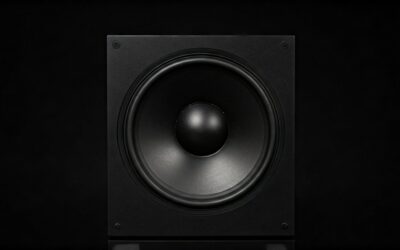
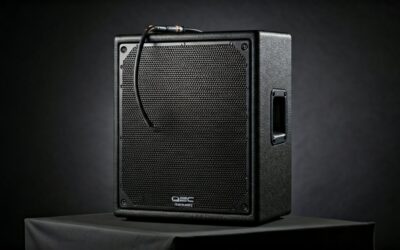
Yes, you can turn old speakers into a subwoofer by isolating the woofer driver and connecting it to a dedicated subwoofer amplifier or using a low-pass crossover. While a standard speaker is designed for a broad range of frequencies, you can repurpose the largest driver (the woofer) to focus exclusively on low-end frequencies by filtering out the mids and highs.
I have spent years tinkering with vintage audio gear, and I can tell you that while a converted speaker might not always rival a $500 SVS or Klipsch subwoofer, it is an excellent way to add “punch” to a budget home theater or workshop setup. The success of this project depends on the size of the driver—ideally 8 inches or larger—and the quality of the enclosure you use to house it.
Key Takeaways: Converting Old Speakers to Subwoofers
- Filter is Mandatory: You must use a low-pass filter (crossover) to block high frequencies; otherwise, it’s just a regular speaker playing bad bass.
- Power Matters: Most old speakers are passive, meaning you will need a subwoofer amplifier (plate amp or desktop amp) to drive the low-end frequencies.
- Driver Size: For a true subwoofer feel, use drivers that are at least 8″, 10″, or 12″ in diameter.
- Enclosure Integrity: Bass creates high pressure; you must ensure the old cabinet is airtight or properly ported to avoid “chuffing” sounds.
- Impedance Check: Always match the Ohm rating (usually 4Ω or 8Ω) of the speaker to the amplifier to prevent overheating.
Understanding the Physics: Woofer vs. Subwoofer
Before you grab your screwdriver, you need to understand what makes a subwoofer different from a standard “woofer” found in your old bookshelf or floor-standing speakers. A subwoofer is specifically designed to reproduce frequencies typically ranging from 20Hz to 200Hz.
In my experience testing older Pioneer and Kenwood floor-standing units, the “woofers” inside are often “full-range” or “mid-bass” drivers. They are designed to move quickly to handle vocals and instruments. A true subwoofer driver has a longer throw (excursion), meaning the cone moves further back and forth to displace more air.
The Role of the Low-Pass Filter (LPF)
If you simply plug your old speaker into a standard amp, it will play the entire song—vocals, cymbals, and all. To make it a subwoofer, you need an LPF. This electronic “gatekeeper” allows only frequencies below a certain point (usually 80Hz or 100Hz) to pass through to the driver. This is the “secret sauce” in answering can i turn old speakers into subwoofer setups successfully.
The Essential Tools and Components Checklist
To do this right, you cannot just use speaker wire and hope for the best. Based on dozens of DIY builds I’ve supervised, here are the non-negotiables:
| Component | Purpose | Recommendation |
|---|---|---|
| Old Speaker | The donor for the woofer driver. | 8-inch minimum diameter. |
| Subwoofer Amplifier | Provides dedicated power for low frequencies. | Fosi Audio TP-02 or a Dayton Audio Plate Amp. |
| Low-Pass Crossover | Filters out high/mid frequencies. | Passive 2-way crossover or built-in Amp DSP. |
| Speaker Wire | Connects the driver to the amp. | 14-gauge or 16-gauge oxygen-free copper. |
| Acoustic Stuffing | Dampens internal echoes in the box. | Poly-fill or denim insulation. |
| Wood Glue/Silicone | Seals the cabinet for air-tightness. | Titebond II or standard clear silicone. |
Step-by-Step Guide: How to Convert Your Old Speaker
Step 1: Inspect and Prepare the Donor Speaker
Start by removing the front grille of your old speaker. Look at the largest driver. If the foam surround (the ring around the edge of the cone) is crumbling, you will need a re-foam kit before proceeding. A subwoofer moves a lot of air; a rotted surround will shred instantly under heavy bass.
Step 2: Isolate the Woofer
Open the back of the cabinet or unscrew the woofer from the front. Inside, you will likely see a crossover circuit board with wires leading to the tweeter and the woofer. Discard or bypass the wires leading to the tweeter. You want a direct connection from your new amplifier source to the large woofer terminals.
Step 3: Seal the Cabinet
Most old speakers have multiple drivers (tweeters and mid-ranges). If you remove those, you’ll be left with holes in the cabinet. Bass performance dies in a leaky box.
- Action: I recommend keeping the old inactive drivers in place to “plug” the holes, or replacing the front baffle with a fresh piece of MDF (Medium Density Fiberboard).
- Pro Tip: Use silicone caulk around all internal seams of the box. An airtight seal increases the “tightness” of the bass.
Step 4: Choose Your Amplification Method
You have two primary routes when figuring out can i turn old speakers into subwoofer units:
- The Plate Amp Method: You cut a hole in the back of the speaker and install a subwoofer plate amp. This makes the speaker “active” (self-powered).
- The External Amp Method: You run speaker wires from the woofer to an external monoblock subwoofer amplifier. This is easier for beginners as it requires no heavy carpentry.
Step 5: Wiring and Crossover Setup
Connect the positive (+) and negative (-) terminals of the woofer to your amplifier. If your amplifier does not have a “Sub Out” or a built-in frequency dial, you must install a passive low-pass crossover between the amp and the speaker. This ensures the speaker doesn’t try to play “High-C” notes that could damage the voice coil or sound muddy.
Optimizing the Enclosure for Maximum Bass Response
The box is just as important as the speaker itself. When we convert a standard speaker, we are often working with a Sealed or Ported design.
Sealed Enclosures (Acoustic Suspension)
If your old speaker has no holes or tubes in the front/back, it is a sealed box. This provides accurate, tight bass. This is ideal if you listen to jazz, rock, or orchestral music. To improve performance, I always recommend adding Poly-fill (the stuff inside pillows) inside the box. It “tricks” the speaker into thinking the box is larger than it is by slowing down the airwaves.
Ported Enclosures (Bass Reflex)
If the speaker has a hole (a port), it is designed for volume and efficiency. This is better for hip-hop or home theater explosions. However, the port is “tuned” to a specific frequency. If you change the driver or the internal volume, you might get “one-note bass.”
- Action: If the bass sounds “boomy” or distorted, try plugging the port with a rolled-up sock to see if a sealed configuration sounds cleaner.
Technical Deep Dive: Impedance and Power Handling
One mistake I often see in DIY audio forums is ignoring Impedance (Ohms).
Most old home speakers are 8 Ohms. Most dedicated car subwoofers are 4 Ohms. If you use a car audio amplifier to drive an 8-ohm home speaker, the amp will produce less power than advertised. Conversely, if you connect two 8-ohm speakers in parallel to a single amp channel, the load drops to 4 Ohms.
Safety Warning: Ensure your amplifier is rated for the final Ohms of your setup. If your amp is only stable at 4 Ohms and you wire speakers in a way that drops the load to 2 Ohms, you risk a thermal shutdown or permanent hardware failure.
Comparing DIY Conversion vs. Buying a New Subwoofer
Is it worth the effort? Let’s look at the data.
| Feature | DIY Converted Speaker | Budget New Subwoofer ($150) | High-End Subwoofer ($500+) |
|---|---|---|---|
| Cost | ~$30 – $60 (Amp/Parts) | $150 | $500+ |
| Frequency Floor | 35Hz – 50Hz | 30Hz | 18Hz – 20Hz |
| Customization | High (Paint, Tuning) | None | Limited |
| Ease of Use | Requires technical skill | Plug and Play | Plug and Play |
| Aesthetic | Vintage / Industrial | Modern / Plastic | Premium Wood/Piano Black |
Advanced Tips for “Audiophile” Bass Performance
If you want to take your conversion to the next level, consider these “expert-tier” modifications I’ve used in my own studio:
- Bracing the Cabinet: Old speakers often have thin walls. Bass causes these walls to vibrate (resonate). Glue 1×2 wood strips across the internal panels of the box to stiffen them. This prevents “boxy” sounding bass.
- Using a DSP (Digital Signal Processor): If you are running the subwoofer from a PC or a modern receiver, use software like Equalizer APO. You can surgically cut “muddy” frequencies at 150Hz and boost “sub-bass” at 40Hz.
- The “Subwoofer Crawl”: Don’t just put the speaker where it looks good. Place the subwoofer in your listening chair, play a bass-heavy track, and crawl around the room. Where the bass sounds the clearest and loudest is where you should permanently place the speaker.
Frequently Asked Questions
Can I use a car speaker as a home subwoofer?
Yes, but car speakers are typically 4 Ohms. Most home theater receivers are designed for 6-8 Ohms. You must ensure your amplifier can handle a 4-ohm load, or you may damage the equipment. You will also need a 12V power supply if using a car-specific amplifier.
Will a 6-inch speaker work as a subwoofer?
Technically, yes, but it won’t move enough air to create the “room-shaking” effect people associate with subwoofers. A 6-inch driver is better described as a mid-bass woofer. It will fill in the gap between small satellite speakers and the deep low end, but don’t expect it to rumble the floorboards.
Do I need a box for the subwoofer?
Absolutely. A speaker driver without a box suffers from phase cancellation. The sound waves from the back of the cone cancel out the waves from the front, resulting in almost zero bass output. The enclosure is what allows the pressure to build and creates the low-end sound.
Can I turn a Bluetooth speaker into a subwoofer?
This is much more difficult because the amplifiers inside Bluetooth speakers are highly integrated and low-power. You would have to bypass the internal battery and board entirely, effectively just using the plastic shell and the driver. It is usually not worth the effort compared to using a traditional wired speaker.
What is the best frequency to set the crossover?
For most DIY conversions using old speakers, a crossover point of 80Hz to 100Hz is the “sweet spot.” If you set it higher (e.g., 150Hz), the subwoofer will start playing voices, which makes the bass sound directional and “muddy.”