Can You Change Out the Speakers in a Dodge Durango?
Yes, you can change out the speakers in a Dodge Durango, and it is one of the most effective ways to upgrade your driving experience. Whether you have the base 6-speaker system, the 9-speaker Alpine® premium audio, or the 19-speaker Harman Kardon® setup, the factory drivers often use inexpensive paper cones that lack clarity and durability.
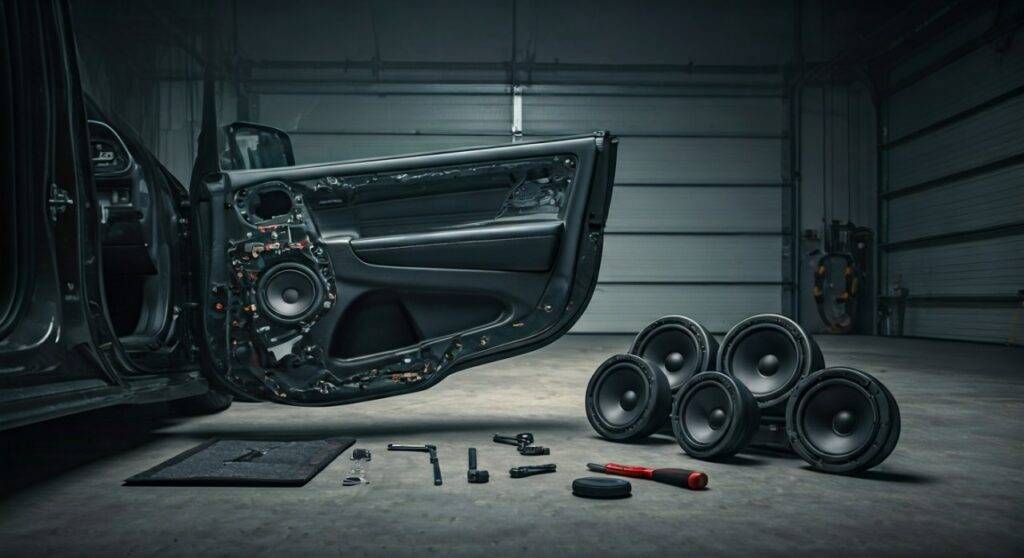
In my experience working on Mopar platforms, the Dodge Durango is surprisingly DIY-friendly for audio upgrades. The door panels are secured with standard fasteners, and most speaker locations use common sizes like 6×9″ and 6.5″. By following a systematic approach, you can replace your muddy factory sound with crisp, high-fidelity audio in a single afternoon.
Key Takeaways for Your Durango Audio Upgrade
- Difficulty Level: Moderate (2/5). Requires basic hand tools and about 30-45 minutes per door.
- Primary Speaker Sizes: Most 3rd Gen Durangos (2011–Present) use 6×9″ woofers in the front doors and 6.5″ or 6.75″ speakers in the rear.
- Dash Speakers: Upgrading the 3.5″ dash speakers provides the biggest “Information Gain” for your soundstage.
- Critical Components: You will need speaker wiring harnesses (like the Metra 72-6514) to avoid cutting your factory wires.
- Expert Tip: If you have the Harman Kardon system, pay close attention to impedance (ohms), as factory speakers are often 2-ohm, and installing 4-ohm speakers may reduce volume.
Why You Should Upgrade Your Dodge Durango Speakers
Many owners ask “can you change out the speakers in a Dodge Durango” because the factory sound feels “hollow.” Even in the premium trims, manufacturers often prioritize weight and cost over audio fidelity.
I have found three primary benefits to this upgrade:
- Material Quality: Factory speakers typically use paper cones and foam surrounds that rot over time. Aftermarket speakers use Polypropylene, Kevlar, or Silk, which withstand extreme cabin temperatures.
- Frequency Response: Aftermarket speakers offer a wider range, delivering deeper bass and shimmering highs that the factory units simply cannot reproduce.
- Efficiency: Higher-quality magnets and voice coils allow the speaker to move more air with less power, resulting in cleaner sound at higher volumes.
Dodge Durango Speaker Sizes and Locations (2011-2024)
Before you buy parts, you must understand what fits your specific trim. The 3rd Generation Durango is the most common model on the road today.
| Location | Size | Complexity | Impact on Sound |
|---|---|---|---|
| Front Dash (Left, Center, Right) | 3.5″ | Low | High (Vocals/Clarity) |
| Front Doors | 6×9″ | Moderate | Very High (Mid-Bass) |
| Rear Doors | 6.5″ or 6.75″ | Moderate | Moderate (Fill) |
| D-Pillar (Cargo Area) | 2.5″ or 3.5″ | High | Low (Ambience) |
| Subwoofer (Rear Quarter) | 8″ or 10″ | High | High (Low-End) |
Pro Insight: While the front doors house 6×9″ speakers, many audiophiles (including myself) prefer using a 6.5″ component set with an adapter plate. This allows for a dedicated tweeter and woofer, which significantly improves the “stereo image” on your dashboard.
Tools Required for the Job
To change out the speakers in a Dodge Durango without damaging your interior trim, you need the right “surgical” tools. Avoid using metal screwdrivers to pry plastic panels.
- Panel Removal Tool Set: Nylon or plastic pry bars are essential to prevent scratching the door cards.
- Socket Set: You will need a 7mm and 10mm socket for most bolts.
- Torx Drivers: Keep a T20 and T25 bit handy for specific trim screws.
- Phillips Head Screwdriver: For speaker mounting screws.
- Wire Strippers/Crimpers: Only if you aren’t using plug-and-play harnesses.
- Work Light: The footwells and door cavities are dark.
Step-by-Step Guide: How to Change Front Door Speakers
The front doors are the heart of your system. Follow these steps to access the 6×9″ drivers.
Remove the Trim Covers
Start by using a small flat-head or plastic pry tool to pop off the small plastic cover located behind the interior door handle. Behind it, you will find a 10mm bolt or a Phillips screw (depending on the year).
Locate the Hidden Screws
Check the “grab handle” pocket. There is usually a rubber mat at the bottom. Lift it to reveal another 10mm bolt. On some Durango Citadel or RT trims, there may also be a screw along the bottom edge of the door panel.
Pop the Plastic Retainers
Starting at the bottom corner, gently pull the door panel away from the metal frame. You will hear the “pop” of plastic clips. Work your way around the perimeter. Do not yank the panel off once it is loose.
Disconnect Cables and Wiring
Hold the panel slightly away from the door. Disconnect the power window switch harness and the mechanical door latch cable. The latch cable usually clips into place—simply depress the tabs to release it. Set the panel aside in a safe spot (like the back seat) to avoid scratches.
Swap the Speaker
Unscrew the four screws holding the factory 6×9″ speaker. Pull it out and disconnect the wiring clip. Plug your Metra 72-6514 harness into the factory plug, then attach the other end to your new speaker. Screw the new speaker into the factory holes.
Expert Tip: If your new speaker is deeper than the factory one, check for window clearance by rolling the window down halfway before fully reassembling.
Upgrading the Dash Speakers (The “Secret” to Better Sound)
If you are asking “can you change out the speakers in a Dodge Durango” for the sake of better vocals, the dash is where you should focus.
The 3.5″ speakers located under the windshield grilles handle the majority of the “imaging.”
- Pry up the long plastic trim piece that spans the width of the dash near the glass.
- Use a stubby Phillips screwdriver or a 90-degree ratchet because the windshield angle makes vertical clearance tight.
- Replace the factory speakers with a pair of high-sensitivity 3.5″ coaxial speakers (like the Kicker KS series or Infinity Reference).
- The difference in vocal clarity will be immediate and dramatic.
Important Technical Considerations
The Impedance Trap
Factory Alpine and Harman Kardon systems in the Durango use lower-impedance speakers (often 2-ohm). Most “off-the-shelf” aftermarket speakers are 4-ohm.
- What happens? If you put a 4-ohm speaker on a 2-ohm factory amp, the volume will be roughly 50% lower.
- The Solution: Look for “True 4-ohm” or high-efficiency speakers specifically designed to work with factory amplifiers, such as JBL GTO or Infinity Primus series.
Active Noise Cancellation (ANC)
If your Durango has ANC (usually found in V8 models or higher trims), the car uses microphones to “listen” to engine drone and play an inverse frequency through the speakers to cancel it out.
- The Issue: If you add an aftermarket subwoofer or high-powered amp, the ANC can create a loud, rhythmic “thumping” sound.
- The Fix: You may need an ANC bypass harness or to manually disconnect the ANC microphones in the headliner.
Recommended Speaker Upgrades for Dodge Durango
| Category | Brand/Model | Why We Recommend It |
|---|---|---|
| Best Overall | Focal Integration Series | Designed for factory head units; incredible clarity without needing an external amp. |
| Best Bass (6×9) | Kenwood Excelon | Provides superior low-end punch for those not adding a separate subwoofer. |
| Best Budget | Kicker CS Series | Durable, reliable, and significantly better than the paper factory cones. |
| Best for HK Systems | Infinity Reference | Features 3-ohm impedance which matches well with factory Durango amplifiers. |
Frequently Asked Questions
Can I change my Durango speakers without changing the head unit?
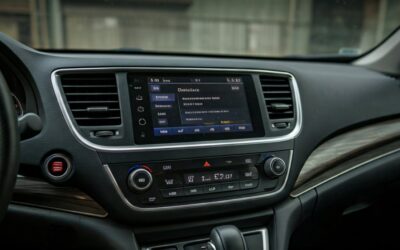
Yes. In modern Durangos, the Uconnect screen is integrated into the vehicle’s climate and settings menus, making it difficult to replace. You can absolutely keep the factory radio and still get a 40-50% improvement in sound quality just by swapping the speakers.
Do I need to cut any wires?
No. We strongly recommend using speaker wiring adapters. These plug into the factory Durango plug on one side and slide onto the terminals of your new speakers on the other. This keeps your factory warranty intact and makes it easy to revert to stock when you sell the vehicle.
Is the Harman Kardon system worth upgrading?
While the Harman Kardon system is decent, it still uses relatively cheap drivers. Upgrading the front stage (dash and front doors) with high-end silk-dome tweeters and high-excursion woofers will provide a much smoother, less “harsh” listening experience, especially at high volumes.
How much does it cost to change speakers in a Durango?
If you do the labor yourself, a full set of high-quality door and dash speakers will cost between $250 and $600, depending on the brand. Professional installation usually adds another $150 to $300 in labor costs.