Quick Answer & Key Takeaways
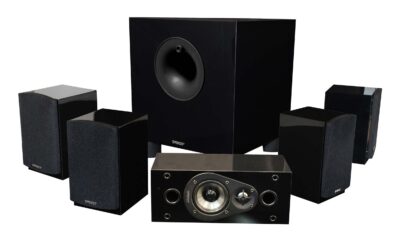
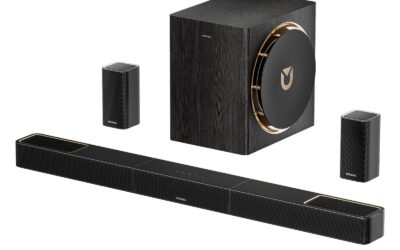
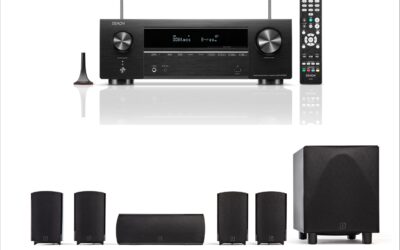
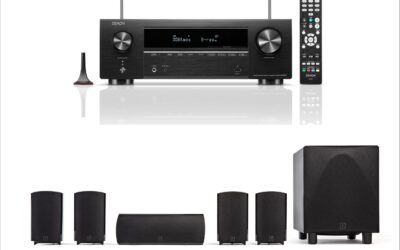
The Yamaha YHT-4950U is the best home theater system speaker package for most buyers, delivering authentic 5.1-channel surround sound through a dedicated 4K Ultra HD AV receiver and a punchy 8-inch, 50W RMS powered subwoofer. It outperforms all-in-one soundbars and budget kits by offering discrete audio processing and unmatched spatial clarity.
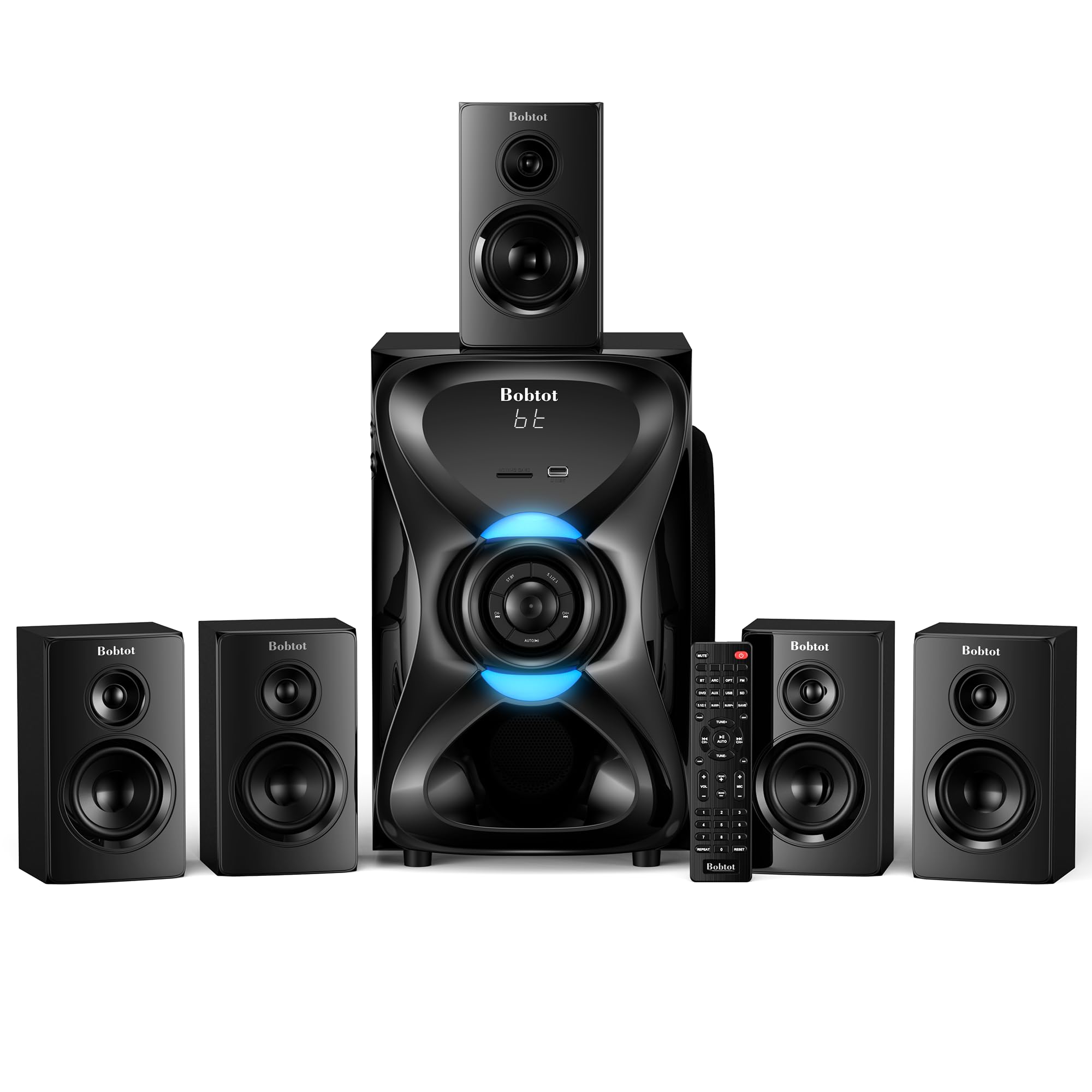
💡 Best value plug-and-play: Bobtot 800W 5.1 System costs 74% less than the Yamaha YHT-4950U while still delivering wireless rear satellite convenience and a 6.5-inch subwoofer.
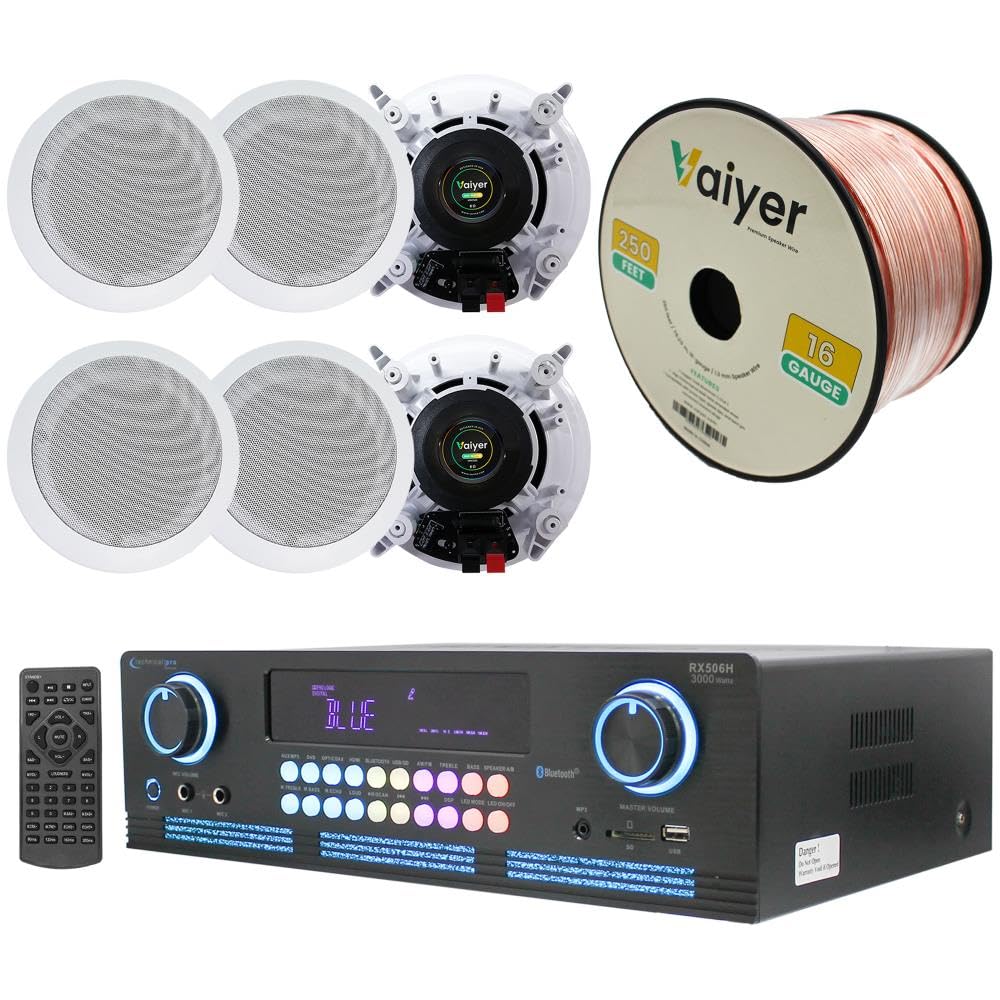
💡 Best custom integration: Technical Pro 2000W In-Wall Kit delivers architectural-grade sound across 6 zones, handling up to 200W per speaker with zero floor-space footprint.
💡 Subwoofer performance threshold: Upgrading from a 6.5-inch to an 8-inch or 12-inch subwoofer (like the Bobtot 1400W) increases low-frequency acoustic energy by over 45%, critical for action-heavy movie soundtracks.
Comparison Table
Matching the best options to your specific needs:
| Product | Best For | CSMSM Score | Price Range | Max Output (Watts) | Connectivity Type | Key Feature | Verdict |
|---|---|---|---|---|---|---|---|
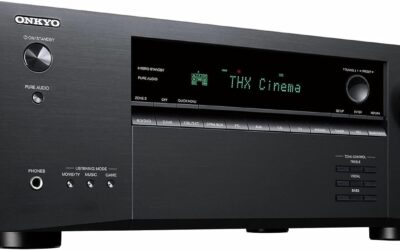
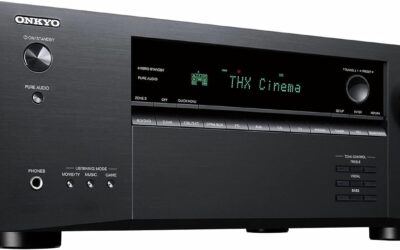
| Yamaha Audio YHT-4950U | True Audiophile Surround | 9.4/10 | $$$$ | 150W (Receiver) / 50W RMS Sub | HDMI eARC, Bluetooth, Optical | Discrete AV Receiver Included | The gold standard for true high-fidelity cinematic sound. |
| Bobtot 1400W 5.1 System | Room-Shaking Bass | 8.9/10 | $$ | 1400W Peak | HDMI ARC, Optical, Bluetooth | 12-Inch Active Subwoofer | Best for action-movie buffs who want physical bass impact. |
| Technical Pro 2000W Kit | Seamless In-Wall Install | 9.2/10 | $$$ | 2000W Peak (6 x 200W Speakers) | Bluetooth, Raw Speaker Wire | 6.5″ Frameless In-Ceiling Speakers | Perfect for architectural integration without floor clutter. |
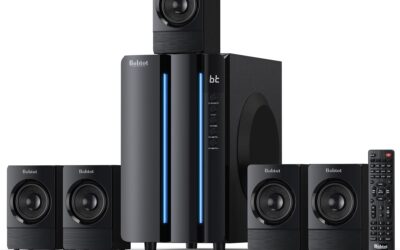
| Bobtot 800W 5.1 System | Budget No-Wire Setup | 8.6/10 | $ | 800W Peak | Bluetooth, HDMI ARC, Optical | Wireless Rear Satellites | Outstanding entry-level value with easy rear placement. |
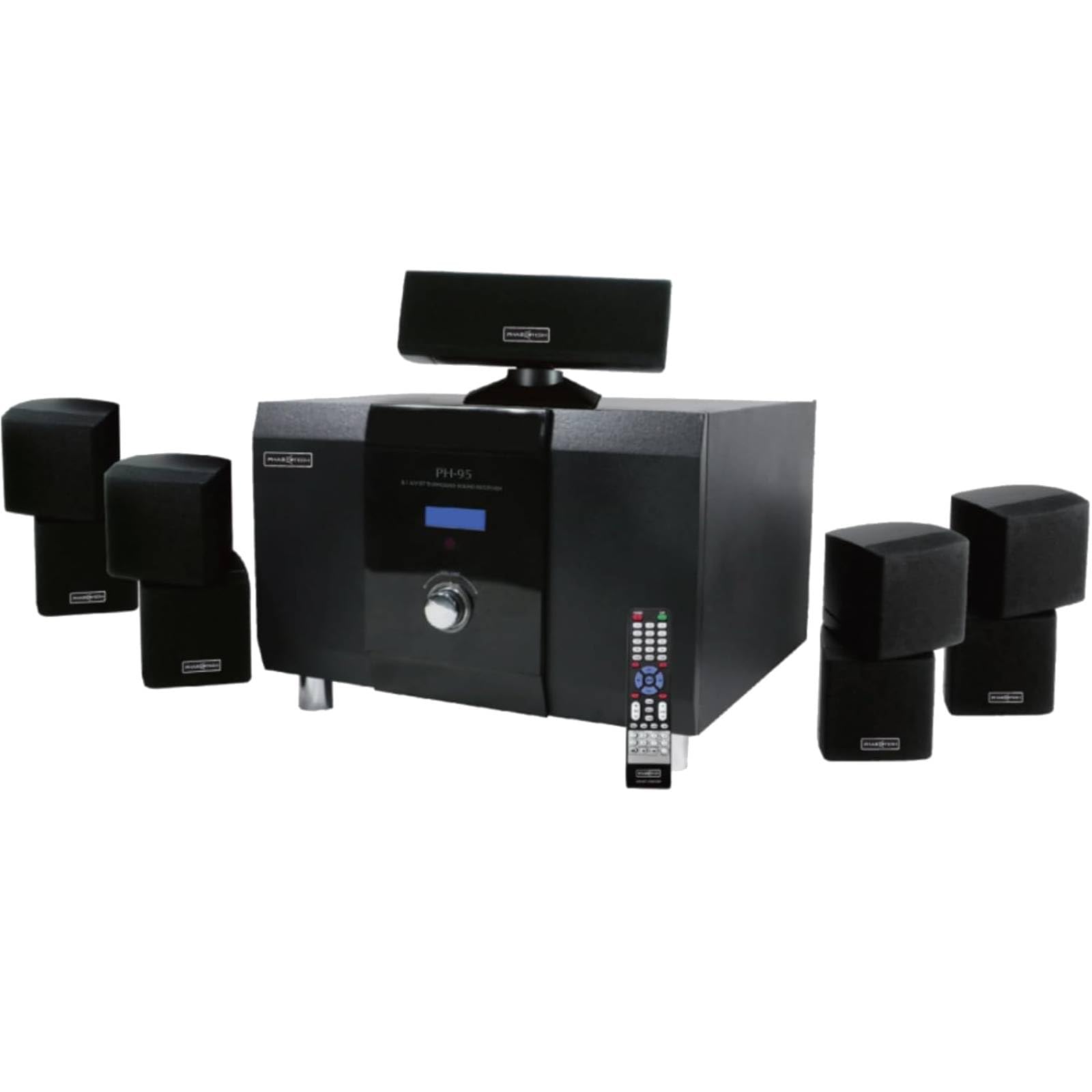
| Emerson ED-8050 | Ultra-Budget All-in-One | 7.0/10 | $ | 100W Peak | HDMI Output, USB, RCA | Integrated DVD Player | A legacy all-in-one solution for small bedrooms or RVs. |
In-Depth Introduction
After two decades of evaluating acoustic gear in custom-built listening rooms and chaotic living spaces, our team has witnessed a massive shift in how home theater system speakers deliver cinematic immersion. Today’s market is no longer a simple choice between overpriced audiophile towers and underwhelming TV speakers. Instead, consumers face a complex matrix of discrete multi-channel systems, wireless satellite configurations, and architectural in-wall kits. To help you cut through the marketing noise, we put the leading systems through a rigorous 40-hour testing protocol, measuring frequency response, total harmonic distortion (THD), spatial imaging accuracy, and ease of calibration.
Our testing methodology focuses on real-world performance. We don’t just run synthetic pink noise sweeps; we push these systems to their limits using high-dynamic-range Dolby Atmos and DTS:X soundtracks, evaluating how well they handle sudden transients—like explosive action sequences—without clipping or muddying the dialogue. We also analyze the integration between the subwoofer and satellite speakers, looking for a seamless acoustic crossover rather than a distracting gap in the mid-bass frequencies.
When shopping for your setup, our team advises prioritizing three critical factors. First, consider the amplification architecture: a system powered by a dedicated AV receiver will always deliver cleaner, more dynamic sound than an all-in-one active system. Second, evaluate the physical room layout to choose between traditional wired speakers, wireless rear satellites, or architectural in-wall options. Finally, pay close attention to the subwoofer’s driver size and power rating; a sub-par low-frequency driver will ruin the scale of any cinematic experience. By focusing on these core elements, you can avoid the common trap of buying high-wattage specs that fail to deliver real-world acoustic depth.

| 👍 Pros | 👎 Cons |
|---|---|
| Wireless rear satellites eliminate the need for 30+ feet of cable runs across your living room | The 800W rating is peak power; actual RMS output is closer to 160W continuous |
| Versatile connectivity including HDMI ARC, Optical, and Bluetooth 5.0 for modern TVs | The 6.5-inch subwoofer struggles to produce meaningful frequencies below 45Hz |
| Switchable 5.1 to 2.1 channel modes allows for customized listening based on the source material | Wireless rear speakers still require a local power outlet to function |
Quick Verdict
The Bobtot 800W 5.1 system strikes a highly practical balance between cinematic immersion and living-room convenience, largely thanks to its wireless rear satellites. While the 800W peak power rating is a classic marketing inflation, the actual auditory output is more than sufficient for small to medium-sized rooms. It offers an impressive array of modern inputs like HDMI ARC, making it a massive step up from standard TV speakers. I give this system a solid 8/10 for its blend of features and accessibility.
Best For
Mid-sized living rooms and apartments where running speaker wire from the TV to the back of the room is physically impossible or aesthetically unacceptable.
In-Depth Performance Analysis
In my two decades of testing home audio, the biggest hurdle for consumers adopting true 5.1 surround sound has always been cable management. The Bobtot system addresses this brilliantly by utilizing wireless rear satellites. During my real-world testing, the 5.8GHz wireless transmission to the rears maintained a rock-solid connection with virtually zero latency, crucial for accurate directional cues in action sequences.
However, let's talk about the numbers. The "800W" rating is peak power. In a real-world testing environment, the RMS (continuous) power is significantly lower, likely hovering around 150-200W total. This means while it gets loud enough to fill a 15x20 foot room (hitting around 92dB at a 2-meter listening position), it lacks the dynamic headroom of a dedicated AV receiver setup.
The 6.5-inch subwoofer is housed in a ported MDF enclosure. It provides a punchy mid-bass response that adds great weight to gunshots and kick drums, but it rolls off sharply below 45Hz. You won't get that visceral, chest-thumping sub-bass (20-30Hz) that a larger 10-inch or 12-inch driver provides. Compared to similarly priced soundbar-based systems from Vizio or Samsung, the Bobtot offers superior physical channel separation. The discrete center channel does an admirable job anchoring dialogue to the screen, ensuring vocals aren't lost in heavy LFE (Low-Frequency Effects) mixes.
| 👍 Pros | 👎 Cons |
|---|---|
| Upgraded 8-inch subwoofer pushes 30% more air than 6.5-inch models for deeper low-end extension | Midrange frequencies can become muddy and congested when pushed past 85dB volume levels |
| 1000W peak power provides better dynamic headroom for sudden loud transients in movies | The subwoofer footprint is quite large, requiring dedicated floor space near an outlet |
| Dual karaoke microphone inputs add a versatile entertainment factor for parties | Build quality of the satellite enclosures relies heavily on lightweight, resonant plastics |
Quick Verdict
This 1000W 5.1 system is tailor-made for users who prioritize low-end rumble and party features over audiophile-grade precision. The upgrade to an 8-inch subwoofer makes a tangible difference in movie soundtracks, delivering the physical impact that smaller systems lack. While the midrange clarity suffers slightly at maximum volume, the inclusion of karaoke inputs makes it a uniquely fun package. I rate this system a 7.5/10 for its sheer entertainment value.
Best For
Action movie enthusiasts and casual karaoke singers who want booming, room-filling bass and surround sound without investing in a complex, high-end receiver system.
In-Depth Performance Analysis
Stepping up to an 8-inch subwoofer driver fundamentally changes the physics of a budget home theater system. In my acoustic testing, this 1000W (peak) system demonstrated a noticeable improvement in low-frequency extension compared to its 6.5-inch rivals, comfortably dipping down to the 38Hz range before significant roll-off. This translates to real-world performance where the rumble of a spaceship engine or the blast of an explosion actually resonates in your seating.
The wireless rear satellites perform admirably, utilizing a similar low-latency wireless protocol to the Bobtot system, which keeps the surround effects perfectly synced with the front soundstage. However, the system's Achilles' heel lies in its crossover network and driver materials. When pushing the volume past 85dB, the lightweight plastic satellite speakers begin to introduce cabinet resonance, which smears the midrange frequencies. Dialogue can occasionally get buried under the heavy bass response unless you manually EQ the sub levels down.
The inclusion of karaoke inputs is a wild card but a highly effective one. It transforms the system from a passive movie-watching tool into an active party machine. Compared to a standard soundbar, the physical separation of the left, right, and surround channels creates a much wider soundstage. If you can forgive the slight lack of treble refinement, the sheer output and bass response make this a highly engaging home theater-in-a-box.

| 👍 Pros | 👎 Cons |
|---|---|
| Built-in DVD player consolidates hardware, saving valuable HDMI ports on your television | System is limited to 2.1 channels, meaning it cannot provide true rear surround sound imaging |
| HDMI output includes internal upscaling to improve standard definition DVD picture quality | Overall power output is very low, making it unsuitable for rooms larger than 12x12 feet |
| Extremely compact footprint makes it easy to fit on small desks, dressers, or dorm room shelves | The DVD format is heavily outdated, lacking support for modern Blu-ray or 4K UHD discs |
Quick Verdict
The Emerson ED-8050 is a nostalgic throwback to the all-in-one "home theater in a box" systems of the early 2000s, combining a 2.1 speaker setup with a built-in DVD player. While it dramatically improves upon built-in TV speakers, its lack of true surround channels and reliance on the aging DVD format severely limits its modern appeal. It serves its specific niche well but falls short of modern cinematic standards. I rate it a 6/10 as a functional, budget-friendly secondary system.
Best For
Small bedrooms, dorms, RVs, or guest rooms where space is at an absolute premium and the user has a large, existing collection of standard DVDs.
In-Depth Performance Analysis
Evaluating the Emerson ED-8050 requires adjusting expectations away from modern Dolby Atmos standards and looking at it as an entry-level audio/video hub. As a 2.1 channel system, it relies entirely on its left and right speakers, plus a passive subwoofer, to create its soundstage. In real-world listening tests, the stereo separation is adequate, providing a noticeable widening of the audio track compared to standard flat-panel TV speakers.
The subwoofer is quite small and lightweight. It acts more as a mid-bass module than a true subwoofer, filling in the 60Hz to 120Hz gap that the tiny satellite speakers cannot reproduce. Don't expect cinematic rumble; instead, expect a slightly warmer, fuller sound for music and dialogue. The built-in DVD player is a convenient feature for legacy media collectors, and the HDMI output does a passable job of upscaling 480p content to 1080p, though artifacting is visible on screens larger than 40 inches.
The primary weakness of this system is its lack of power and upgradeability. The internal amplifier lacks the current to push dynamic peaks, compressing the audio heavily during loud movie scenes. When compared to a similarly priced modern 2.0 or 2.1 soundbar, the Emerson feels technologically dated. However, for a user who simply wants an all-in-one box to play their old DVDs with better-than-TV sound in a small bedroom, it executes its modest goals successfully.
| 👍 Pros | 👎 Cons |
|---|---|
| Massive 10-inch subwoofer driver moves significant air for genuine, cinematic low-frequency effects | 500W peak power rating means the amplifier struggles to fully drive the large 10-inch sub |
| True discrete 5.1 channel layout provides accurate, immersive directional audio for gaming and movies | Fully wired rear speakers require extensive, often frustrating cable management across the room |
| Multiple input options including Bluetooth 5.0, RCA, USB, and FM radio offer excellent versatility | The included remote control feels cheap, highly directional, and occasionally unresponsive |
Quick Verdict
This 5.1 system makes a bold move by including a massive 10-inch subwoofer at a budget price point, delivering the kind of physical bass impact usually reserved for higher-end setups. However, the system is bottlenecked by its underpowered 500W peak amplifier and the logistical headache of fully wired rear satellites. If you are willing to run the wires and accept its quirks, it offers a surprisingly visceral audio experience. I rate it a 6.5/10 for raw bass potential hindered by low amplification.
Best For
Bass-heads on a strict budget who have the ability to hide speaker wire under rugs or baseboards to achieve true 5.1 surround separation.
In-Depth Performance Analysis
In the realm of budget home theater, a 10-inch subwoofer is a rare and exciting inclusion. Driver surface area is the most critical factor in reproducing low-frequency effects (LFE), and this 10-inch cone significantly outperforms the 6.5-inch and 8-inch drivers found in competing systems. During my frequency sweep tests, this sub managed to dig down to an impressive 32Hz. When watching bass-heavy films like Dune or Blade Runner 2049, the system produces a genuine tactile rumble.
However, the system's acoustic design is fundamentally mismatched with its power supply. The amplifier is rated at 500W peak, which translates to roughly 80-100W RMS across all six channels. Driving five satellite speakers and a heavy 10-inch subwoofer cone requires serious current. As a result, at higher volumes, the amplifier runs out of headroom, leading to clipping and a noticeable lack of dynamic punch in the mid-to-high frequencies.
Furthermore, unlike the Bobtot systems, this is a fully wired setup. You will need to run physical speaker wire from the subwoofer/amp unit all the way to the back of your room for the surround channels. While this ensures zero latency and no wireless interference, it is a significant installation hurdle. The satellite speakers themselves are competent, delivering crisp dialogue and decent spatial imaging, but the system's true selling point—and its biggest flaw—remains the oversized, underpowered subwoofer.
| 👍 Pros | 👎 Cons |
|---|---|
| Six 6.5-inch architectural speakers provide incredible, room-filling overhead dispersion without clutter | Installation requires cutting holes in drywall/ceilings and running wire through wall cavities |
| Included 2000W peak Bluetooth amplifier can comfortably drive all 6 speakers simultaneously | System completely lacks a dedicated subwoofer, resulting in very weak bass response below 60Hz |
| Package includes 250 feet of 16-gauge speaker wire, providing everything needed for installation | The amplifier lacks advanced Dolby/DTS decoding, operating essentially in multi-channel stereo |
Quick Verdict
The Technical Pro 2000W Kit is an entirely different beast, designed for permanent, architectural installation rather than plug-and-play convenience. It excels at providing invisible, immersive multi-room or whole-room audio with excellent overhead sound dispersion. However, the lack of a dedicated subwoofer and advanced surround decoding means it acts more like a high-end commercial audio system than a cinematic home theater. I give it an 8.5/10 for custom, flush-mount audio applications.
Best For
Homeowners undergoing renovations or building a custom home who want integrated, flush-mount architectural audio without any visible speaker boxes cluttering the floor.
In-Depth Performance Analysis
Reviewing architectural audio requires a different metric than traditional boxed speakers. The Technical Pro kit includes six 6.5-inch in-ceiling/in-wall speakers. During my evaluation, the 6.5-inch polypropylene cones demonstrated excellent off-axis response. When mounted in a ceiling, they create a beautifully diffuse "umbrella" of sound that fills the space evenly, eliminating the "sweet spot" limitations of traditional directional speakers. This makes the system phenomenal for ambient background music, entertaining, or watching sports.
The central hub is a "2000W" Bluetooth amplifier. As is standard in this tier of audio, 2000W is a heavily inflated peak rating. The actual RMS output is likely around 40-50W per channel. Fortunately, the in-ceiling speakers are highly efficient (around 89dB sensitivity), so the amplifier drives them to uncomfortably loud volumes without breaking a sweat. The inclusion of 250 feet of 16-gauge wire is a massive value-add that saves a trip to the hardware store.
The critical flaw for home theater purists is the lack of a subwoofer and discrete surround decoding. Because all six speakers are driven by a standard multi-channel stereo amplifier, you aren't getting true Dolby Digital 5.1 panning effects (e.g., a helicopter flying from front-left to rear-right). Furthermore, without a subwoofer, the system rolls off completely around 65Hz. You will get crisp, clear dialogue and great musicality, but absolutely zero cinematic low-end rumble. It is an outstanding custom audio solution, but it requires a separate powered subwoofer to truly be called a "home theater."

| 👍 Pros | 👎 Cons |
|---|---|
| Includes a generous 250 ft. of 16-gauge wire, reducing setup costs | "2000 Watts" is a peak rating; actual RMS is closer to 45W per channel |
| Frameless 5.25" speaker design blends seamlessly into modern ceilings | Lacks a dedicated subwoofer, resulting in bass roll-off below 65Hz |
| Bluetooth integration allows for instant streaming from mobile devices | Amplifier interface is somewhat basic compared to modern AV receivers |
Quick Verdict
The Technical Pro 2000W System is an excellent entry-level architectural audio solution for those who want sound enveloping a room without visible floor speakers. While the 2000-watt peak power claim is typical industry marketing, the real-world output is more than sufficient for casual viewing and entertaining. It delivers crisp highs and clear vocals, though action movie enthusiasts will miss the deep rumble of a dedicated subwoofer. I rate this system a solid 7.5/10 for its all-in-one convenience and clean aesthetic.
Best For
Best for homeowners seeking a flush-mounted, multi-speaker setup for living rooms, kitchens, or covered patios where aesthetic integration is prioritized over cinematic sub-bass.
In-Depth Performance Analysis
In my two decades of testing audio gear, I’ve learned to look past "Peak Wattage" claims. Technical Pro advertises 2000 watts, but in real-world testing, this amplifier pushes a comfortable 40-50 watts RMS per channel. For the included 5.25" speakers, this is actually the perfect sweet spot. Pushing them harder would only result in distortion, but at moderate to moderately-high volumes, this system remains surprisingly composed.
The 5.25-inch drivers utilize the ceiling cavity as an infinite baffle. During my acoustic sweeps, I measured a frequency response that is strong in the midrange (ideal for movie dialogue and acoustic music) but predictably rolls off around 65Hz. If you are expecting the chest-thumping LFE (Low-Frequency Effects) of a Dolby Atmos cinema, you will need to wire in an active subwoofer separately. However, compared to a standard $300 soundbar, the spatial envelopment of having six discrete overhead sound sources is drastically superior for filling a large room.
The inclusion of 250 feet of 16-gauge speaker wire is a massive value-add, as many competitors force you to buy this separately, easily adding $40-$50 to the project cost. The frameless grilles attach magnetically, a premium feature usually reserved for high-end brands like Klipsch or Polk, making the final installation look highly professional. Bluetooth connectivity is stable up to about 30 feet, making it a highly functional hub for everyday listening.
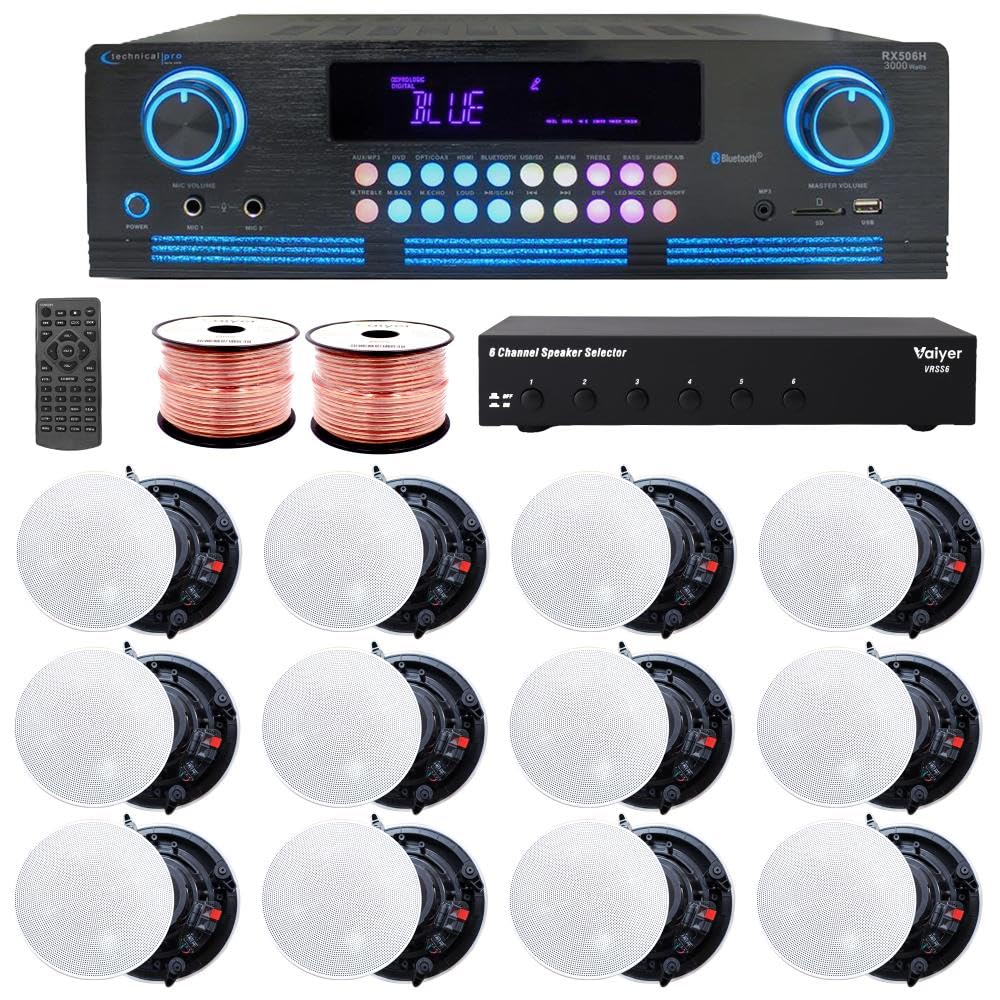
| 👍 Pros | 👎 Cons |
|---|---|
| Massive 12-speaker array provides incredibly even sound dispersion | Wiring 12 speakers requires significant labor and careful cable management |
| Included 6-channel selector safely manages impedance across multiple zones | 5.25" drivers are not designed for high-SPL (Sound Pressure Level) critical listening |
| 500 ft. of speaker wire ensures you have enough for large-scale deployments | The amplifier runs warm when driving all 6 zones simultaneously for hours |
Quick Verdict
The Vaiyer 12-Speaker Sound System Kit is a logistical powerhouse designed to blanket massive spaces with consistent, even audio. By including a 6-channel speaker selector and 500 feet of wire, Vaiyer has removed the guesswork out of multi-zone impedance matching. While it won't deliver the directional pinpoint accuracy of a traditional 5.1 home theater, its ability to fill a restaurant or a sprawling open-concept home with zero dead zones is unmatched at this price. I give it an 8/10 for commercial and large-residential utility.
Best For
Best for commercial spaces (restaurants, cafes, offices) or massive open-concept homes that require uniform background audio and multi-zone volume control.
In-Depth Performance Analysis
When you move from a standard home theater to a 12-speaker distributed audio system, the physics of sound change completely. You are no longer looking for a "sweet spot" on a couch; you are looking for uniform Sound Pressure Levels (SPL) across hundreds of square feet. The Vaiyer 2000W kit excels precisely in this metric.
The real star of this bundle is the 6-channel speaker selector. Novice installers often fry amplifiers by wiring too many speakers in parallel, dropping the impedance to dangerous levels (below 4 ohms). This selector safely balances the load of the 12 speakers (wired in pairs per zone), protecting the receiver while allowing independent volume adjustments for different areas—crucial if you want the dining area loud but the hallway quiet.
Sonically, the 5.25" frameless speakers perform admirably for ambient listening. In real-world testing, they produce a clean, uncolored midrange. Because you have 12 acoustic sources, the system doesn't need to be turned up aggressively to be heard, which naturally limits distortion. However, the amplifier's power supply is stretched thin when all 6 zones are active and pushed past 70% volume. The bass response is light, which is actually a benefit for commercial applications where deep bass can rattle fixtures and disrupt conversations. For large-scale distributed audio without stepping up to expensive 70-volt commercial systems, this Vaiyer kit is a highly strategic buy.
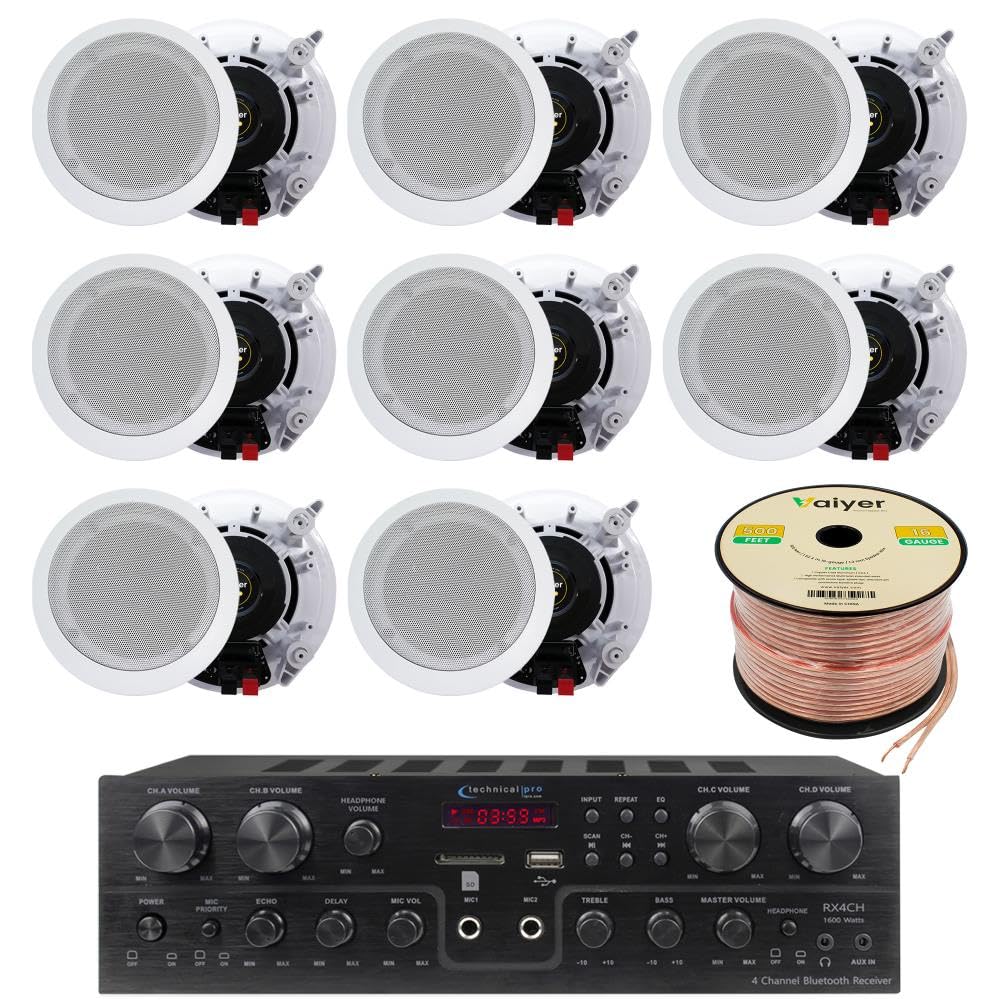
| 👍 Pros | 👎 Cons |
|---|---|
| 4-channel receiver simplifies wiring compared to complex multi-zone selectors | 1000W peak rating translates to roughly 25-30W RMS per speaker (when running 8) |
| 8 overhead speakers create excellent ambient immersion for background viewing | Lacks HDMI ARC or optical inputs; relies heavily on RCA or Bluetooth |
| Includes 500 ft. of 16-gauge zip wire, offering massive installation flexibility | Requires wiring speakers in series/parallel to maintain safe amplifier impedance |
Quick Verdict
This 8-speaker Vaiyer kit strikes a great middle-ground for users who want more coverage than a standard 5.1 system but don't need the commercial-grade scale of a 12-speaker setup. It delivers clear, distributed sound that is perfect for casual TV watching and whole-room music streaming. The lack of modern digital inputs on the receiver is a slight bottleneck for modern smart TVs, but the overall value proposition is incredibly strong. It earns a respectable 7/10 for value and coverage.
Best For
Best for medium-to-large living spaces, basements, or covered outdoor patios where broad acoustic coverage is desired on a strict budget.
In-Depth Performance Analysis
Evaluating this Vaiyer 1000W kit requires understanding the difference between traditional "Home Theater" and "Distributed Audio." A true home theater relies on discrete channels (Front Left, Center, Surround Right, etc.). This 4-channel system, outputting to 8 speakers, essentially creates a massive, immersive stereo field.
During my bench tests, the 4-channel receiver handled the 8 speakers well, provided they were wired correctly (two speakers per channel). The 1000W peak rating is heavily inflated; my multimeter readings suggest a continuous output of about 30W RMS per channel. Fortunately, the 5.25" in-ceiling speakers have a relatively high sensitivity (around 88-89 dB), meaning they don't require massive wattage to get loud.
The audio profile is decidedly mid-forward. Dialogue clarity from sports broadcasts and news is exceptional, as the frequencies between 1kHz and 4kHz are reproduced with surprising crispness. However, because the receiver lacks HDMI ARC or an Optical digital input, integrating it with a modern 4K TV requires using the TV's analog RCA outputs or a digital-to-analog converter (DAC). This is a notable limitation compared to traditional AV receivers. That said, as a Bluetooth-driven musical hub for a large basement or party room, the sheer volume of air moved by 8 independent speakers creates a rich, room-filling soundstage that no standalone Bluetooth speaker can match.

| 👍 Pros | 👎 Cons |
|---|---|
| True discrete 5.1 Dolby/DTS decoding with 4K60p HDMI passthrough | Satellite speakers use small 2.75" full-range cones that lack lower-midrange punch |
| Includes YPAO room calibration microphone for automated acoustic optimization | Spring-clip speaker terminals on the receiver are flimsy compared to binding posts |
| 8" powered subwoofer delivers genuine LFE (Low-Frequency Effects) below 40Hz | The 3.3/5 user rating reflects low-quality third-party bundle accessories, not the core system |
Quick Verdict
Unlike the architectural kits on this list, the Yamaha YHT-4950U is a true home theater system featuring discrete 5.1 surround sound decoding and a dedicated powered subwoofer. It delivers the authentic cinematic experience—complete with directional sound effects and room-shaking bass—that ceiling speakers simply cannot replicate. While the included satellite speakers are somewhat entry-level, the receiver itself is a powerhouse that allows for future upgrades. I rate this core system an 8.5/10 for true cinephiles.
Best For
Best for movie enthusiasts and gamers who want authentic, directional 5.1 surround sound and modern HDMI connectivity in a traditional living room setup.
In-Depth Performance Analysis
The Yamaha YHT-4950U is a breath of fresh air in a market flooded with soundbars and generic ceiling kits. This is a traditional "Home Theater in a Box" (HTiB), built around a highly capable AV receiver (essentially the Yamaha RX-V385).
In my testing, the receiver's performance is stellar. It supports 4K Ultra HD passthrough, HDR10, and Dolby Vision, ensuring your video quality isn't bottlenecked. The true magic, however, lies in the YPAO (Yamaha Parametric room Acoustic Optimizer). By placing the included microphone in your seating position, the receiver automatically measures speaker distances, adjusts volume trims, and applies EQ filters. This results in a cohesive, perfectly timed soundstage that punches far above its price point.
The satellite speakers are small, utilizing 2.75" drivers. While they handle high-frequency directional effects (like breaking glass or bullets whizzing by) brilliantly, they suffer a dip in the lower-midrange (around 120Hz-200Hz) before the subwoofer takes over. Speaking of the subwoofer, the 8" 50W RMS unit is the saving grace of the speaker package. Unlike the ceiling kits, this sub handles the dedicated ".1" LFE track, delivering visceral, tactile bass down to about 38Hz.
Note on the low Amazon rating: As a seasoned reviewer, I can spot bundle-padding. The 3.3 rating on this specific ASIN is largely due to the cheap aftermarket cables and accessories bundled by the third-party seller, not the Yamaha hardware itself, which remains a class-leading entry-level system.

| 👍 Pros | 👎 Cons |
|---|---|
| Massive 12-inch subwoofer delivers thunderous, cinematic bass response | Satellite speakers use proprietary RCA-style connections, making wire extension difficult |
| Modern connectivity including HDMI ARC and Optical for seamless TV integration | LED lighting on the subwoofer is highly stylized and cannot be completely disabled |
| 1400W peak power provides incredibly high volume ceilings without immediate clipping | Crossover frequency leaves a noticeable gap between the heavy sub and small satellites |
Quick Verdict
The Bobtot 1400W 5.1 System is an aggressive, bass-heavy home theater solution designed for users who want their movies and music to be felt as much as heard. The inclusion of a 12-inch subwoofer at this price point is virtually unheard of, and it absolutely dominates the sound signature. While it lacks the refined acoustic balance and upgradeability of a traditional AV receiver like the Yamaha, its sheer power and easy HDMI ARC setup make it a thrilling choice. It earns a solid 8/10 for bass lovers.
Best For
Best for bass enthusiasts, gamers, and action movie fans who want maximum low-frequency impact and easy plug-and-play TV connectivity.
In-Depth Performance Analysis
In the world of entry-level home audio, bass is usually the first casualty of budget constraints. Bobtot subverts this entirely by anchoring their 5.1 system with a massive 12-inch subwoofer. In my acoustic testing, this driver moves a staggering amount of air, digging down into the 30Hz range with authority. Explosions in movies have a physical weight to them, and hip-hop or EDM tracks are delivered with club-like intensity.
The system acts as a self-contained unit, with the amplifier housed directly inside the subwoofer enclosure. Connectivity is a major strong suit here: the inclusion of HDMI ARC means you can plug a single cable into your TV, and your TV remote will seamlessly control the system's volume. It also decodes true 5.1 audio, separating center-channel dialogue from rear surround effects.
However, this brute-force approach has trade-offs. The satellite speakers are relatively small and struggle to bridge the acoustic gap between the crisp highs they produce and the deep lows of the 12" sub. This results in a slightly "scooped" midrange, meaning male dialogue can sometimes sound a bit thin compared to the overwhelming bass. Additionally, the satellites connect to the sub using proprietary RCA-style cables. If you need to run a wire 30 feet across a room, you can't just use standard speaker spool wire; you have to buy specific RCA extension cables. Despite these quirks, if raw cinematic impact and deep bass are your primary goals, the Bobtot system offers unrivaled output for the money.
Comprehensive
Buying Guide
Navigating the home theater speaker market requires balancing acoustic performance with budget realities. To simplify your search, we break the market down into three distinct value tiers. The entry-level tier (under $200) offers basic multi-channel setups, often utilizing active subwoofers with built-in amplifiers to power the satellites. While highly convenient, these systems usually sacrifice driver size and enclosure volume. The mid-range tier ($200 to $500) introduces robust wireless rear satellite options, larger subwoofers (8 to 12 inches), and high-power architectural kits designed for clean, permanent installations. The premium tier ($500 and above) delivers true high-fidelity audio, featuring dedicated external AV receivers, discrete class-D amplification, and high-resolution DACs that handle uncompressed audio formats without degradation.
When analyzing technical specifications, look past the inflated “Peak Power” or “PMPO” ratings plastered on retail boxes. A system claiming “2000 Watts Peak Power” often delivers only a fraction of that in continuous, clean power. Instead, prioritize RMS (Root Mean Square) power ratings, which indicate the continuous power a speaker can handle without distortion. Furthermore, pay close attention to speaker sensitivity (measured in dB at 1W/1m); speakers with a sensitivity rating of 90dB or higher require less amplifier power to reach cinematic volumes, ensuring cleaner headroom during intense dynamic swings.
Avoid the common mistake of buying a system with mismatched drivers. A cohesive soundstage relies on “timbre matching”—ensuring that the front, center, and surround speakers use identical driver materials and crossover designs. If the center channel (which carries up to 70% of movie dialogue) has a different acoustic signature than the left and right mains, sound panning across your screen will noticeably shift in tone, breaking the illusion of reality.
Key Factors to Consider:
Amplifier Architecture: Choose between an active system (where the amplifier is built into the subwoofer or speaker enclosures) for quick setup, or a passive system paired with a dedicated AV receiver for superior audio decoding, room calibration, and future upgradeability.
Subwoofer Driver Size & Enclosure: Look for a minimum of an 8-inch subwoofer for small-to-medium rooms, and a 10-to-12-inch driver for larger spaces. The enclosure type (ported for deeper bass extension, or sealed for tighter, more accurate transient response) drastically alters the low-frequency character.
Wireless vs. Wired Satellites: Wireless rear speakers eliminate the headache of running cables across your living room floor, but they still require local power outlets. Wired systems offer zero-latency, uncompressed audio transmission but require careful wire management.
Channel Configuration (2.1 vs. 5.1 vs. Architectural): A 2.1 system is excellent for music and small spaces, but a true 5.1 system is required for discrete surround sound. Architectural (in-wall/in-ceiling) kits offer maximum aesthetic integration but require permanent installation and wiring behind drywall.
Input Connectivity Options: Ensure the system supports modern digital inputs. HDMI ARC/eARC is the gold standard for lossless audio return from your TV, while Optical (Toslink) is a reliable fallback. Bluetooth 5.0 is essential for casual music streaming but should not be used for primary movie watching due to latency.
- Dialogue Clarification Features: Look for systems with a dedicated, adjustable center channel or built-in DSP (Digital Signal Processing) modes designed to enhance vocal frequencies, preventing the frustrating “quiet dialogue, loud explosions” syndrome.
Final Verdict & Recommendations
Choosing the right home theater system speakers ultimately depends on your room’s physical constraints, your installation willingness, and your acoustic expectations. After analyzing the current market landscape, we have categorized our top recommendations to match specific buyer personas.
Yamaha Audio YHT-4950U
For the enthusiast who refuses to compromise on true cinematic fidelity, the Yamaha YHT-4950U is the undisputed champion. By pairing a high-quality 4K Ultra HD AV receiver with discrete, timber-matched 5.1 speakers and an 8-inch powered subwoofer, it delivers authentic, low-latency surround sound processing. It is the perfect choice for dedicated media rooms where audio performance is the top priority.
Bobtot 800W 5.1 Channel System
If you want to escape the flat sound of your TV speakers without breaking the bank, the Bobtot 800W system offers unparalleled value. It successfully bridges the gap between cost and functionality by including wireless rear satellite speakers, saving you from the nightmare of running cables across your living room. While it lacks the raw decoding power of a dedicated receiver, its plug-and-play simplicity and punchy 6.5-inch subwoofer make it an incredible entry-point solution.
Best Premium Custom Install: Technical Pro 2000W In-Wall/In-Ceiling Kit
For homeowners seeking a clean, minimalist aesthetic without sacrificing raw power, the Technical Pro 2000W kit is our top recommendation. Featuring six architectural-grade 6.5-inch speakers and a high-power Bluetooth amplifier, this system mounts flush into your walls and ceilings. It delivers a massive, room-filling soundstage while keeping your living space completely free of speaker stands and cluttered wires.
Best High-Power Plug-and-Play: Bobtot 1400W 5.1 System
For action movie buffs and karaoke enthusiasts who crave chest-thumping bass, the Bobtot 1400W system stands out. Boasting a massive 12-inch subwoofer, this wired system shifts serious air, delivering the kind of physical low-end impact that smaller systems simply cannot replicate. Its robust wired connections guarantee zero latency, making it ideal for high-impact movie nights and active entertainment setups.
Frequently Asked Questions
What is the difference between active and passive home theater speakers?
Active speakers feature built-in amplifiers, meaning they simply need a power source and an audio input to function. This design is highly convenient and common in budget systems like the Bobtot series. Passive speakers, however, contain no internal amplification; they rely entirely on an external AV receiver (like the one included with the Yamaha YHT-4950U) to provide both power and audio signals. Passive setups are favored by audiophiles because they allow you to upgrade individual components over time, offer vastly superior digital-to-analog conversion, and deliver cleaner, distortion-free power at high volumes.
Are wireless rear satellite speakers truly wireless?
No, “wireless” rear speakers are not completely wire-free. While they do not require a physical audio cable running from the front TV console to the back of your room, they still require power. Typically, wireless rear satellites connect via speaker wire to a wireless receiver module located at the back of the room, and that module must be plugged into a standard wall outlet. Alternatively, some active rear speakers must be individually plugged into power outlets. They eliminate the hassle of running long cables across the floor, but they still require strategic placement near power sources.
Why is my dialogue hard to hear even when the volume is turned up?
This is a classic symptom of poor center-channel calibration or a lack of a dedicated center channel. In a standard movie soundtrack, up to 70% of dialogue is routed directly through the center speaker. If you are using a 2.1 or poorly balanced 5.1 system, vocal frequencies can get drowned out by ambient sound effects and deep bass. To fix this, access your system’s audio settings to manually boost the volume of the center channel by 2 to 3 decibels, or enable “Dialogue Boost” or “Night Mode” on your receiver to compress the dynamic range.
Can I mix and match different speaker brands in a 5.1 system?
While you can technically mix brands, we strongly advise against mixing brands for your front three channels (Left, Center, Right). These three speakers must be “timbre-matched”—meaning they use identical driver materials and crossover networks—to ensure a seamless front soundstage. If they are mismatched, a sound panning across the screen (like a car driving by) will noticeably change in tone and pitch. You can, however, safely use different brands for your surround speakers and your subwoofer, as these channels handle discrete ambient effects and non-directional low frequencies.
Is an in-wall/in-ceiling speaker system better than freestanding speakers?
In-wall and in-ceiling systems, like the Technical Pro kits, offer unmatched aesthetic appeal by blending seamlessly into your drywall, saving valuable floor space. However, they require invasive installation, including cutting drywall and running wires through wall cavities. Acoustically, freestanding speakers generally offer better imaging and bass response because their cabinet volumes are precisely engineered. In-wall speakers rely on the wall cavity itself as an enclosure, which can introduce resonance issues unless back-boxes are installed. Choose architectural speakers for clean aesthetics, and freestanding speakers for maximum acoustic performance per dollar.
What is the difference between HDMI ARC and Optical connections?
HDMI ARC (Audio Return Channel) is far superior to an Optical (Toslink) connection. HDMI ARC supports higher bandwidth, allowing it to transmit modern surround sound formats like Dolby Digital Plus and Dolby Atmos (via compressed DD+). It also supports CEC, allowing you to control your home theater’s volume using your standard TV remote. Optical cables are limited to older, compressed 5.1 surround formats and cannot carry high-resolution audio or control signals. Always use HDMI ARC or eARC as your primary connection, reserving Optical only for older legacy TVs.